


40 Welcome Message Examples for Your Website (Copy and Paste)
40 website welcome message examples for online stores, grouped by situation and industry, ready to copy into a welcome popup.
In this article, we'll explore the best gamification examples in marketing, providing real-world examples and insights to boost your next campaign.
In short
Discover how gamification can revolutionize your marketing strategy with six inspiring examples that boost engagement, enhance customer experience, and drive loyalty. Learn how brands like Sephora and Ted Baker use gamification techniques to create interactive and rewarding experiences, fostering emotional connections and increasing conversion rates. Elevate your campaigns with these innovative gamification ideas.
Hooked on finding a new way to engage your target audience? Look no further! Gamification techniques might be your answer.
In this article, we'll explore the most inspiring examples ofgamification in marketing, providing real-world examples and insights to boost your next campaign.
Let's jump in!
Gamification involves integrating common game elements into non-gaming contexts to boost user engagement, participation, and loyalty.
By incorporating game mechanics like leaderboards, challenges, and rewards, you can engage customers in various activities, getting them more involved and interested.
Gamification transforms mundane tasks into exciting challenges, motivating users through rewards and challenges to continue certain activities and turn them into habits.
By adding a playful layer to your marketing efforts, you can capture and hold your audience’s attention, drive higher engagement rates, and foster a stronger emotional connection between your brand and your customers.
Good gamification marketing leverages the innate human love for games, challenges, and rewards to make experiences more interactive and enjoyable.
Humans are naturally competitive and enjoy earning rewards.
Gamification taps into these motivations by providing instant gratification, a sense of achievement, and the thrill of competition.
Here’s a closer look at why you should consider incorporating gamification into your marketing campaigns:
To see how gamification works in action, let's explore six of the best examples of gamification in marketing that are sure to inspire your next campaign.
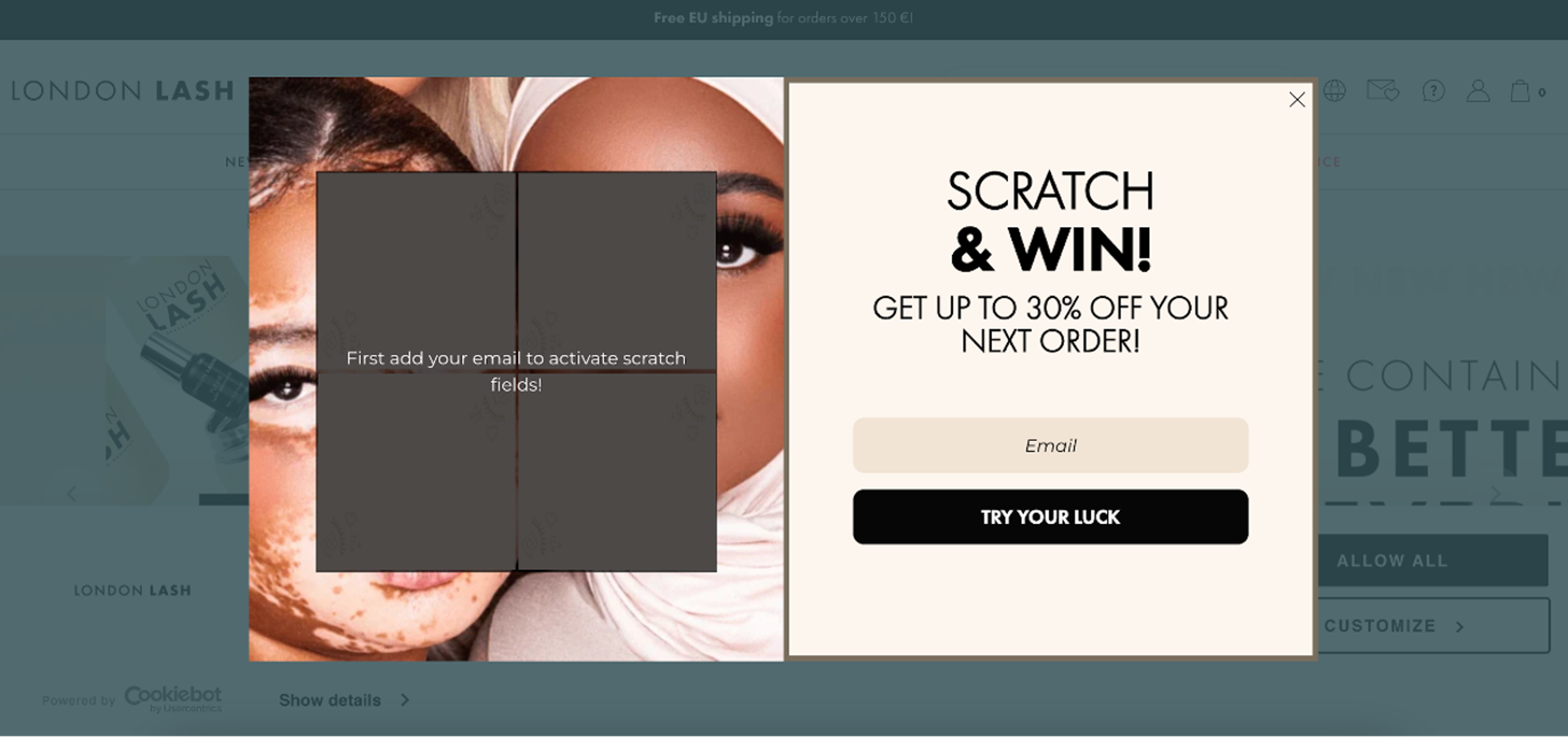
London Lash’s scratchcard popup is a prime example of gamification done right. Visitors to their website encountered a virtual scratchcard that revealed discounts and specialoffers.
This approach not only added a fun element to the shopping experience but also incentivized new customers to make their first purchase.
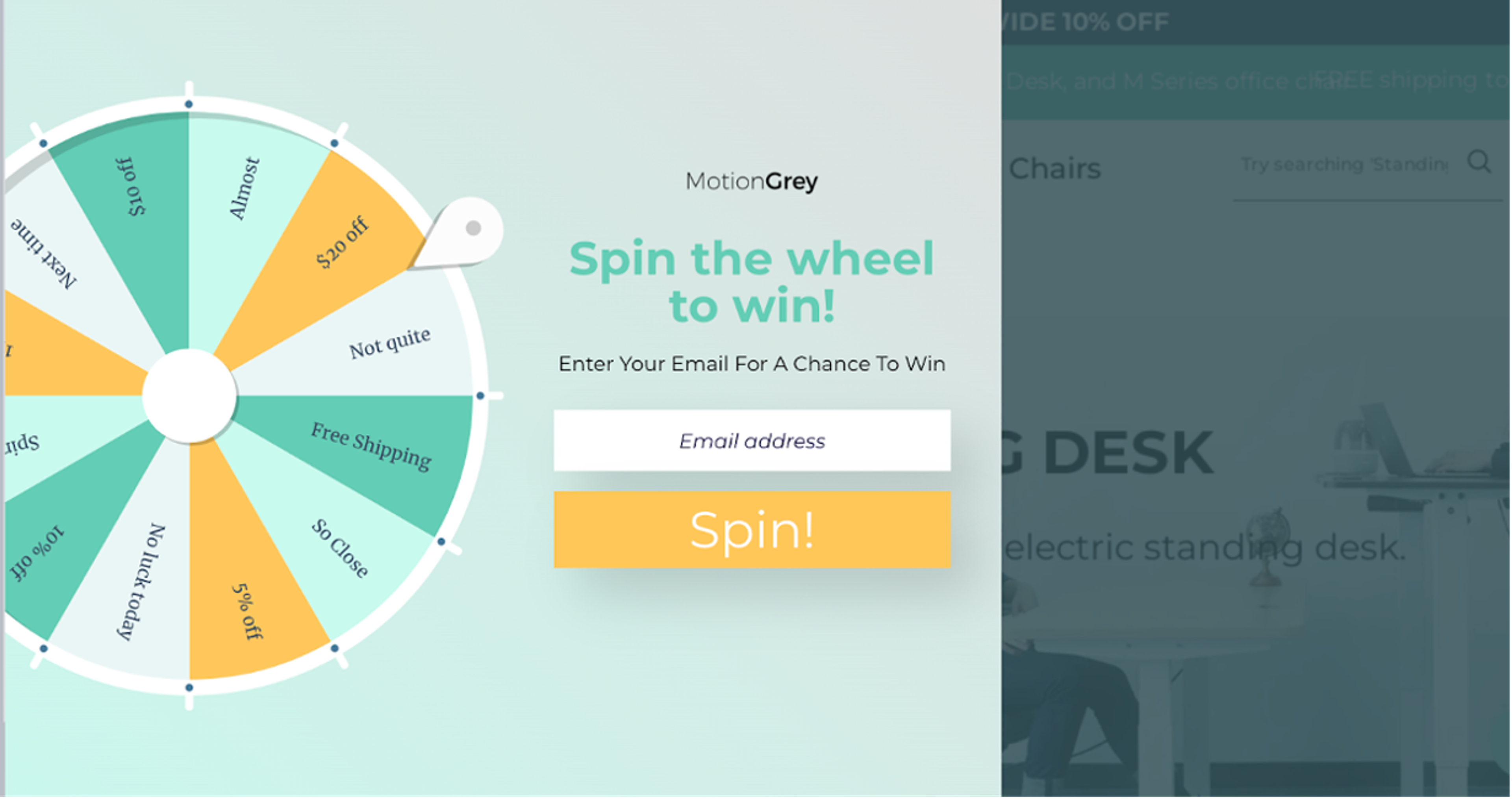
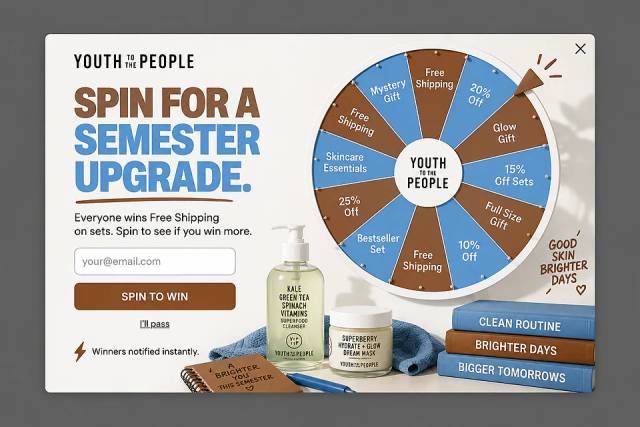
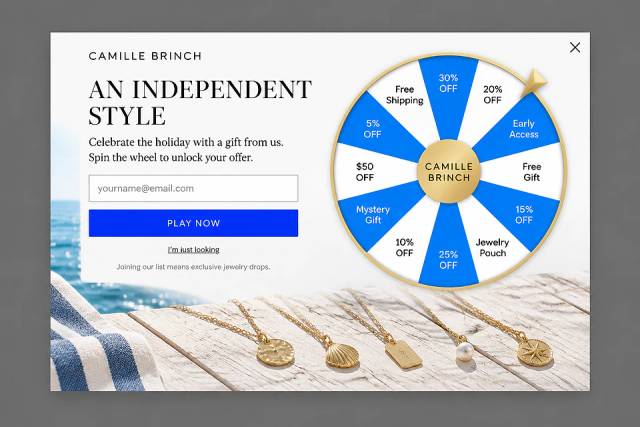
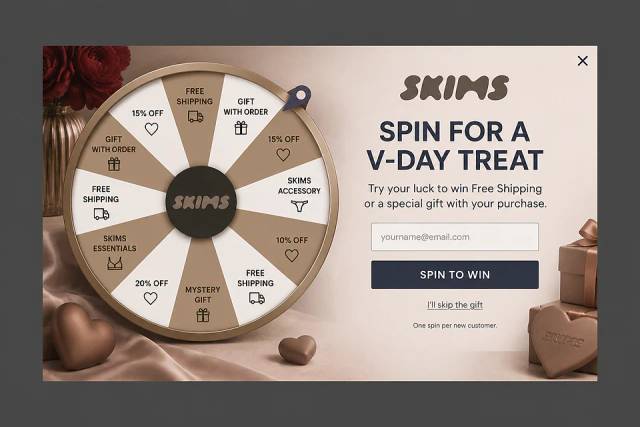
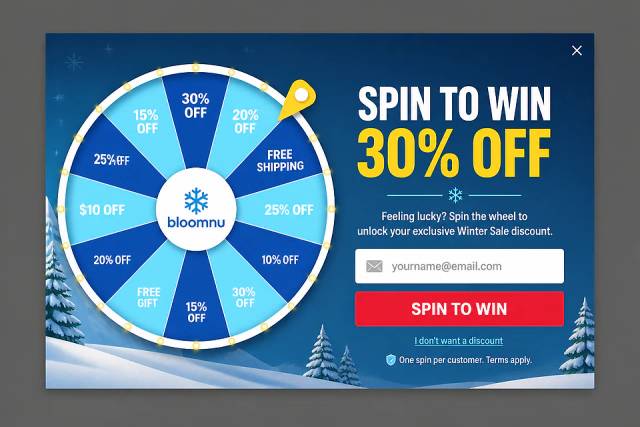
MotionGrey’slucky wheel popup offered users a chance to win discounts, free shipping, or exclusive prizes.
This interactive element increased engagement on their website and significantly boosted their email subscriber list.
The excitement of spinning the wheel kept customers coming back for more.
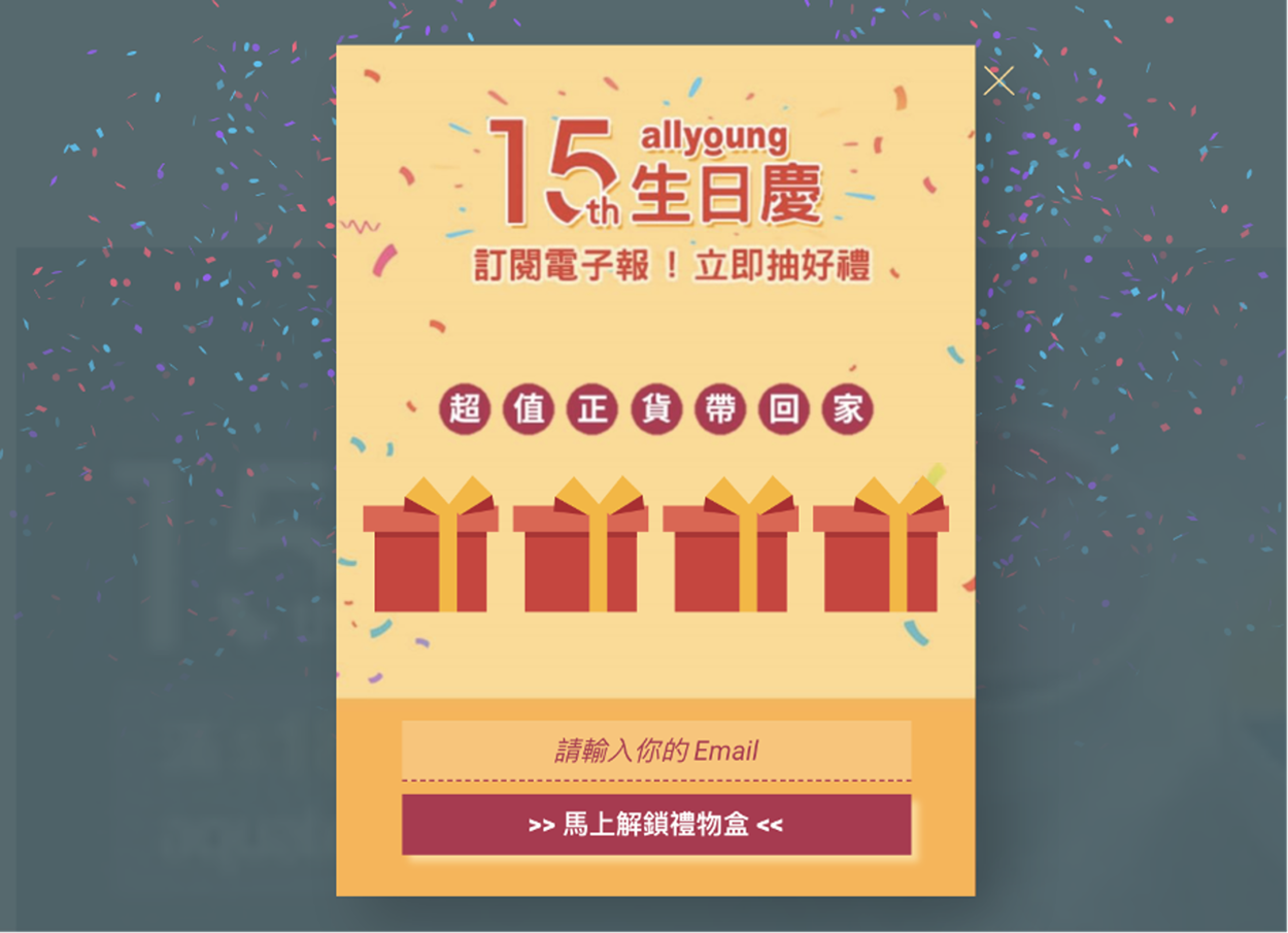
Allyoung’s “pick-a-gift” popup invited customers to choose from a selection of virtual gifts upon making a purchase.
This gamification strategy not only made shopping more fun but also helped Allyoung increase brand awareness and customer satisfaction.
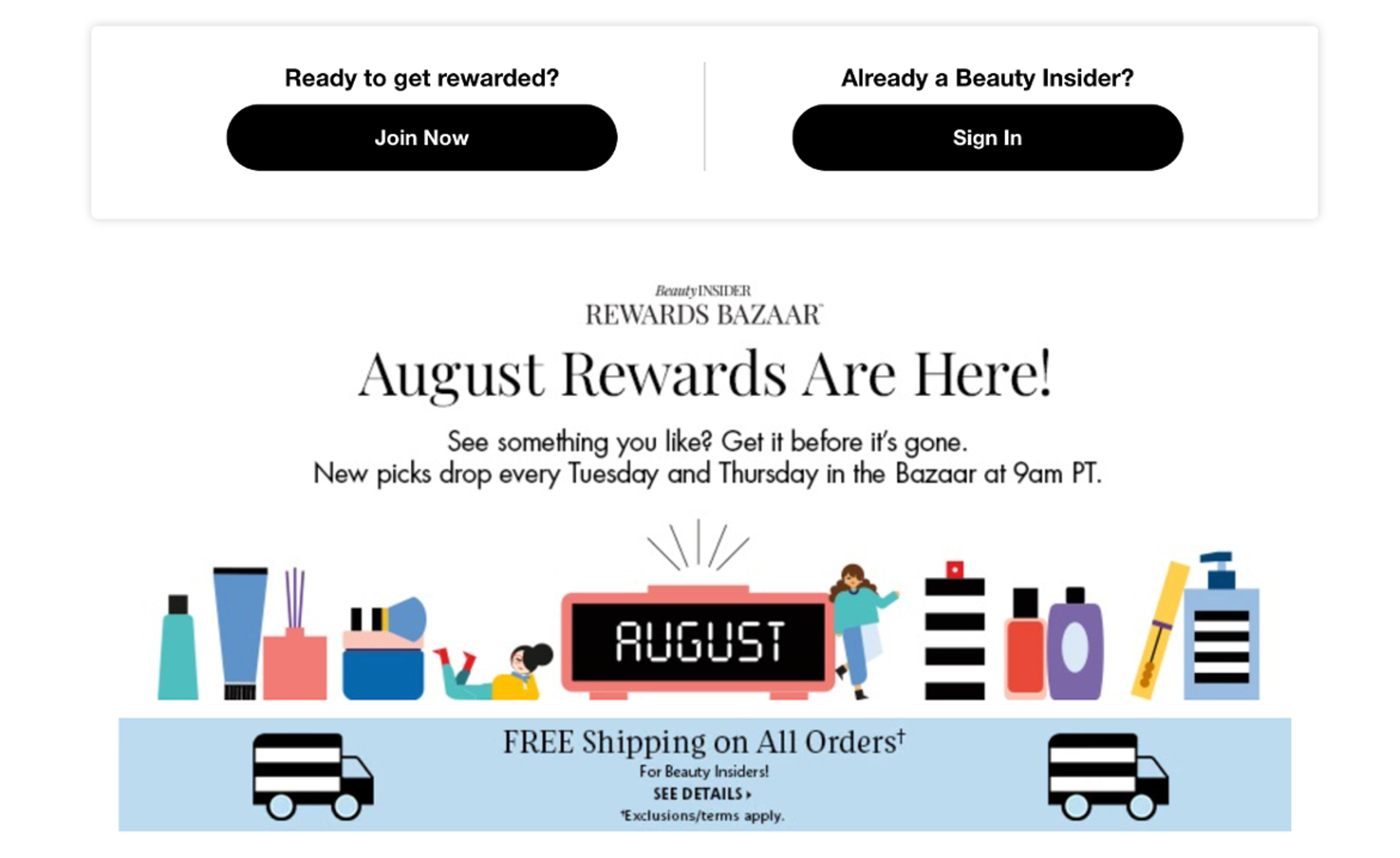
Sephora’s “rewards bazaar” is an exemplary gamified customer loyalty program. Customers earn points with every purchase, which can be redeemed for exclusive products, samples, and beauty services.
This system not only encourages repeat purchases but also fosters a sense of exclusivity and excitement among Sephora’s customers.
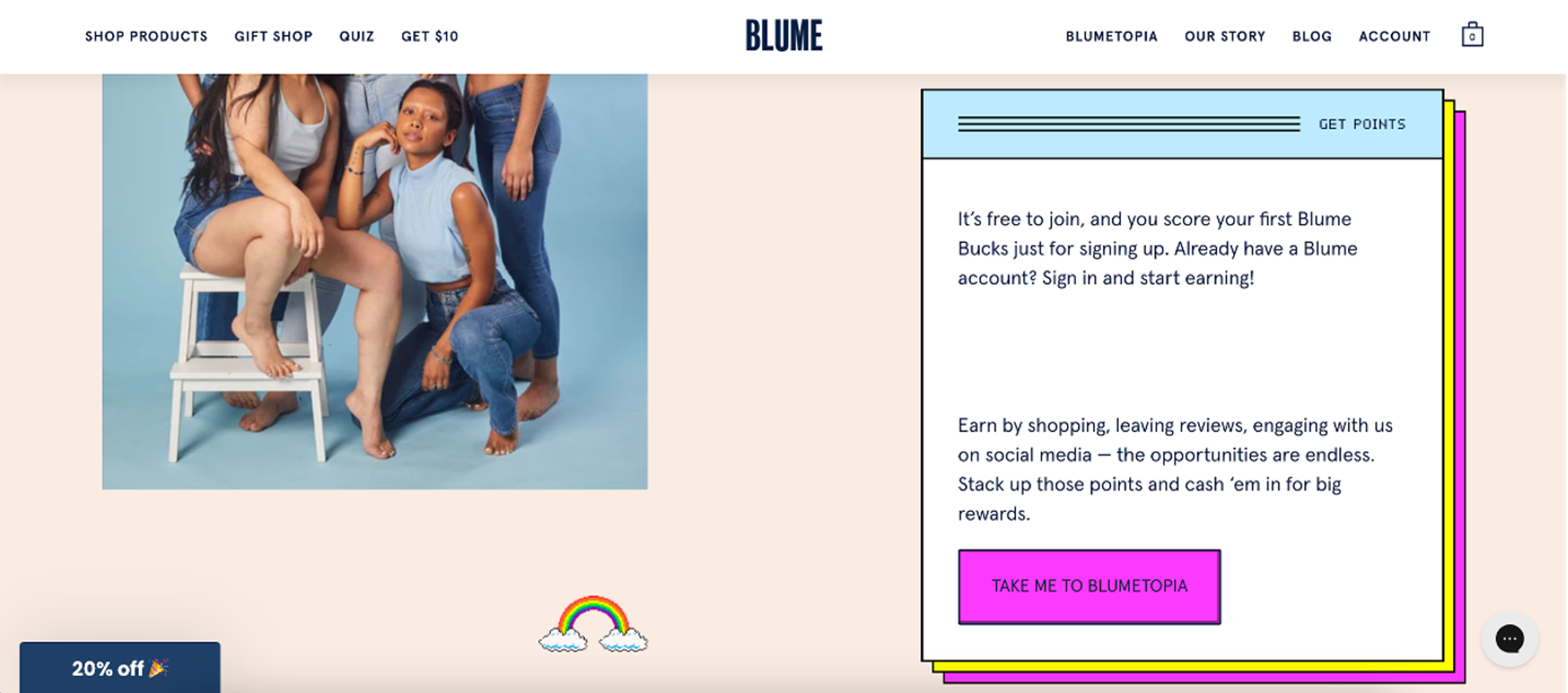
Blume’s loyalty program rewards customers for more than just purchases. People can earn points by referring friends, writing reviews, and participating in community challenges.
This comprehensive approach not only boosts customer loyalty but also enhances community engagement and advocacy for the brand.
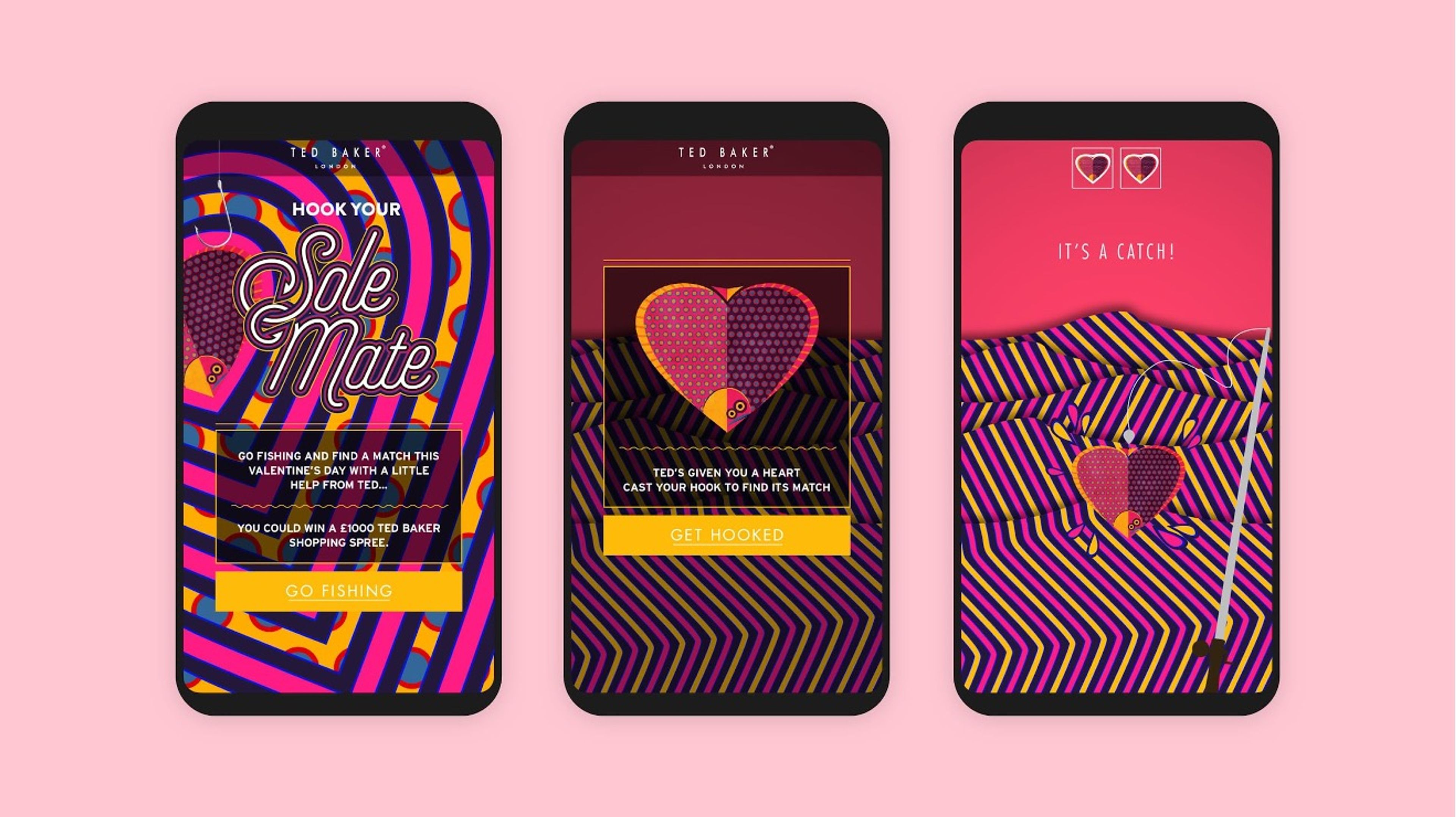
Ted Baker’s “Hook Your SoleMate” campaign combined gamification with social media engagement. Customers participated in a virtual fishing game for a chance to win a $1000 shopping spree.
By encouraging participants to share their gameplay on social media, Ted Baker successfully increased brand engagement and awareness.
Creating an effective gamification campaign involves several key steps that ensure your efforts are both engaging and aligned with your marketing objectives.
Here’s a detailed guide to help you design a successful gamification campaign:
Determine what you want to achieve with your gamification campaign.
Are you aiming to increase user engagement, grow your email list, boost sales, or enhance brand awareness?
Clear goals will guide your strategy and help you measure success.
Understand who your audience is and what motivates them. Segment your audience based on demographics, behavior, and preferences to tailor game elements accordingly.
Consider conducting surveys or focus groups to get direct feedback from your audience on what types of games and rewards they find most appealing.
Select game mechanics that align with your objectives.
For example, if your goal is to boost engagement and loyalty, consider point systems, badges, or leaderboards.
If you aim to increase sales, instant win opportunities or discounts might be more effective.
Ensure that the gamification elements fit naturally into your existing marketing channels like your website, social media, email campaigns, or mobile app.
Design the game interface to be intuitive and easy to navigate. Seamless integration ensures that the gamified elements enhance the user experience rather than disrupt it.
Promote your gamification campaign through various channels to reach a wide audience. Use eye-catching visuals, compelling copy, and clear calls-to-action to drive participation.
Use analytics tools to track key metrics such as participation rates, conversion rates, and user feedback. Regularly analyze the data to identify what's working and what needs improvement.
Gamification increases user engagement, drives higher conversion rates, fosters customer loyalty, and enhances brand awareness.
Small businesses can start with simple gamification techniques like point-based loyalty programs, interactive social media contests, and lucky wheel popups.
There are numerous tools like OptiMonk, Spinify, Woobox, and Gamify that can help you integrate gamified elements into your marketing strategies.
Language learning apps like Duolingo use gamification to engage learners by incorporating minigames, rewards, and funny notifications to remind users to complete their courses.
Gamification is a powerful tool that can transform your marketing efforts.
By making customer interactions more enjoyable and rewarding, you can create lasting impressions and build a loyal customer base.
Use these inspiring gamification examples as a blueprint for your next campaign, and watch your engagement levels soar.
Want to get started with gamification popups? Try these popup ideas:

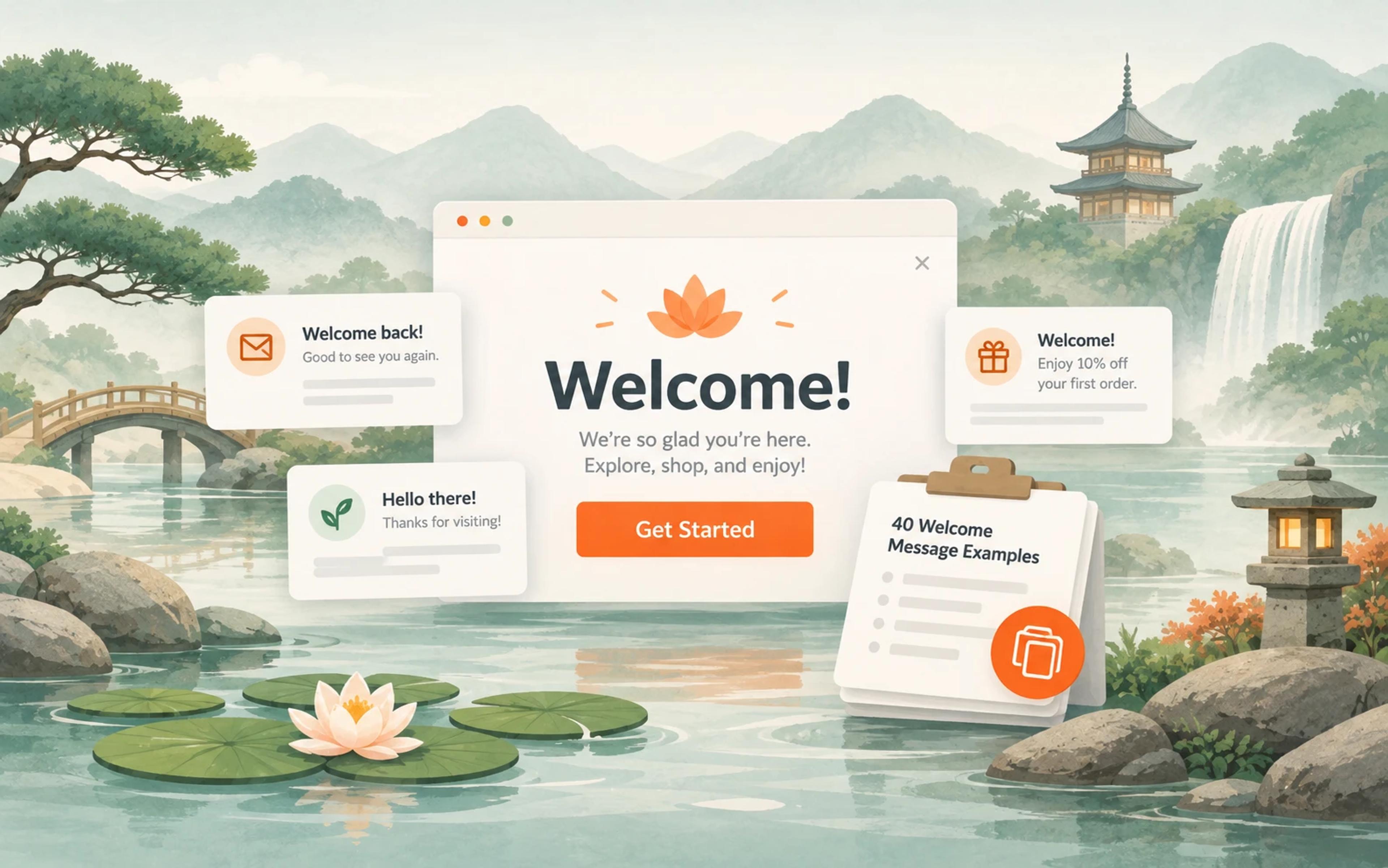
40 website welcome message examples for online stores, grouped by situation and industry, ready to copy into a welcome popup.
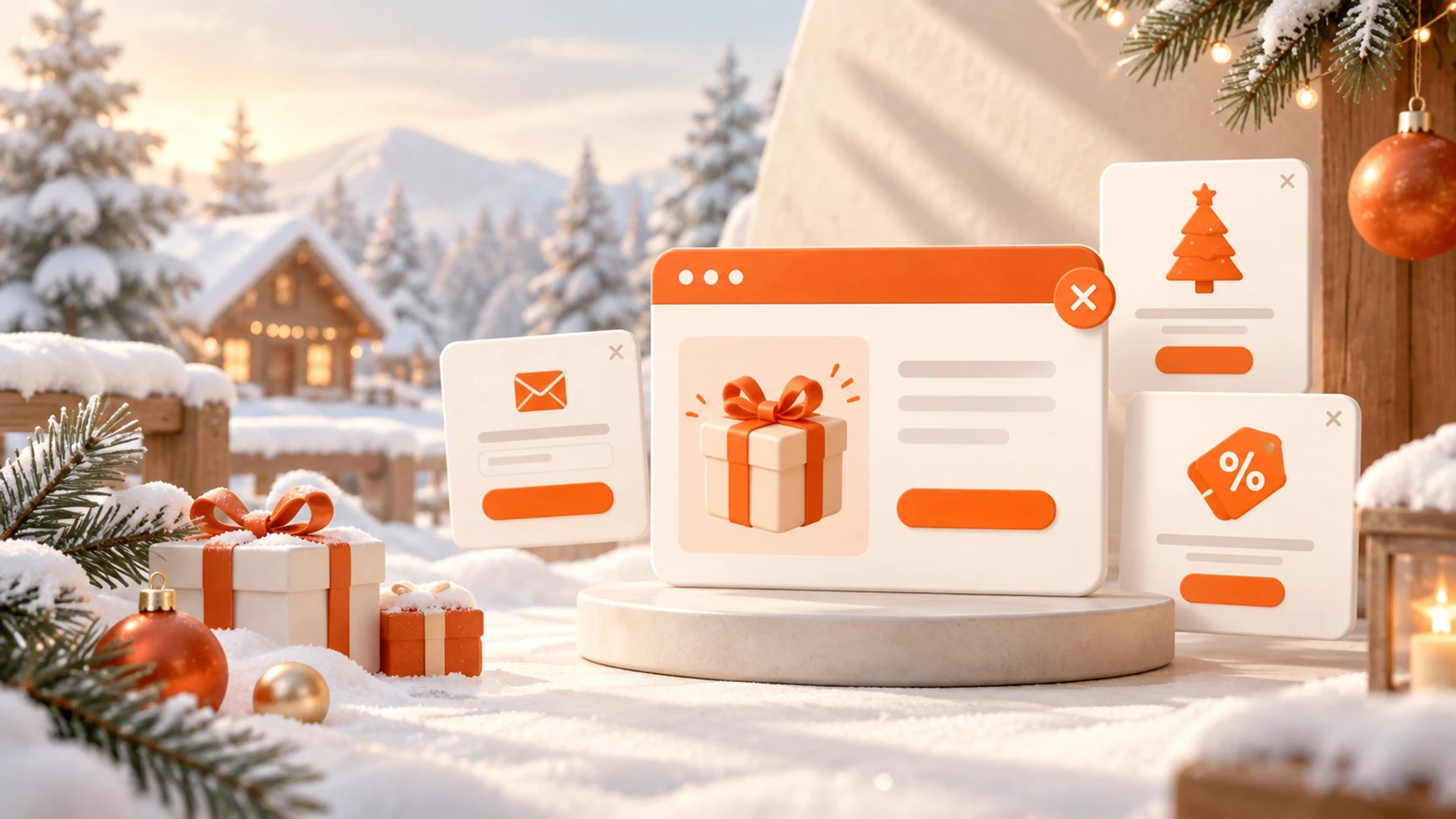
12 Christmas popup examples for online stores, from welcome offers and spin-to-win wheels to gift quizzes and last-chance countdowns.
In this article, we'll share the best alternatives to Sleeknote that help you to get more leads in 2026.