

14 Effective Thanksgiving Marketing Ideas to Boost Your Sales in 2026
Discover creative Thanksgiving marketing ideas to engage customers, build buzz, and drive sales before Black Friday and Cyber Monday.
In this article, we’ll take a look at how you can make sure your customers keep coming back in 2026. Learn how to get repeat business.
In short
Boost your ecommerce success in 2026 by focusing on repeat business and customer loyalty. Implement strategies like loyalty programs, mobile optimization, AI-driven personalization, and diverse payment options to enhance customer experience and retention. By prioritizing these elements, you'll build a loyal customer base, increase sales, and ensure long-term growth in the competitive ecommerce landscape.
As the ecommerce industry continues to grow, with projections showing that by 2040, 95% of all purchases will be made online, businesses must focus not only on attracting new customers but also on keeping existing ones coming back.
Repeat business is crucial for long-term success in ecommerce, as it builds a loyal customer base and ensures stable revenue streams.
In this article, we will dive into effective strategies to drive repeat business and increase customer loyalty, helping your brand thrive in a competitive market.
Repeat business occurs when customers return to purchase from a business multiple times. This is a sign of strong customer loyalty, which results from positive experiences with your products or services. It’s like finding your go-to coffee shop or favorite brand of sneakers.
Customers trust your brand, and they return because they know they’re getting something they like and value.
For businesses, this is essential. A steady stream of repeat customers equals reliable revenue and a strong customer base, both of which are critical for long-term growth.
Repeat business isn’t just a nice bonus; it's crucial for the stability and growth of your business. Here’s why:
Now that you understand what repeat business is and why it matters, we can move on to our proven strategies that will help you encourage repeat customers.
Launching an effective loyalty program is one of the smartest moves you can make to encourage repeat business.
It's like rolling out the red carpet for your most valued customers, showing them just how much you appreciate their continued support.
Here's how to get started:
58.9% of commerce sales came from mobile in 2017, and that number is keep rising. For this reason, it's really important that your website is optimized for both desktop and mobile.
Here's a great resource that will help you optimize your online store for mobile devices. Essentially, you'll need to make a number of tweaks that will enhance the mobile user experience.
For example, you need to use less high-res images (to improve site speed), your fonts and buttons need to be larger, and you should make your content smaller and more concise for mobile audiences.
It's really important that you take care of the mobile experience – and this includes using a responsive framework – because 52% of your customers are less likely to re-engage after a bad mobile experience.
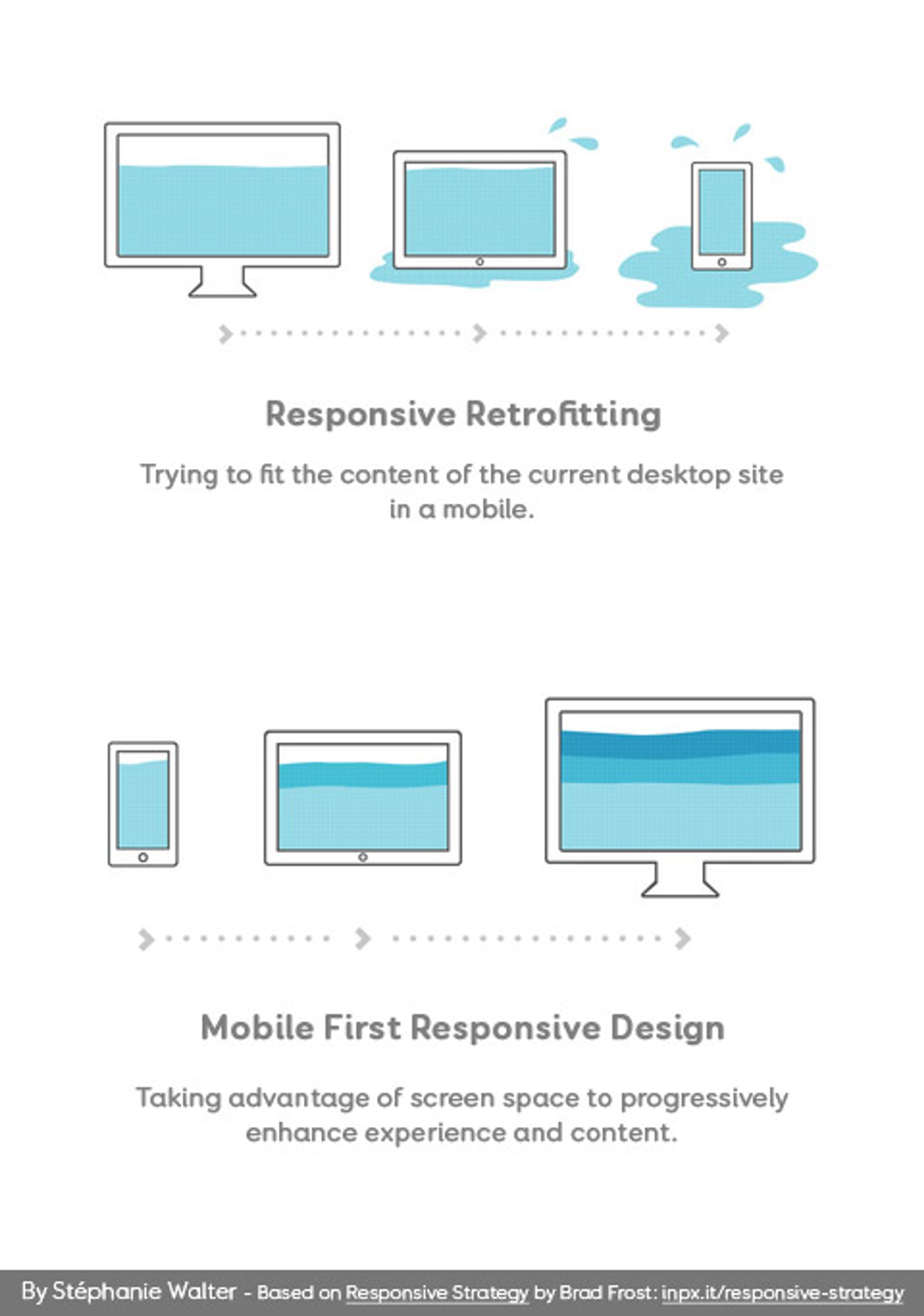
Remember, mobile-first and responsive design are not the same. The mobile-first approach ensures that mobile is at the heart of the design strategy. It takes advantage of all of the available screen space of a user's device – ensuring it provides the best mobile user experience.
Responsive websites are used primarily by companies who assume the majority of their users are using desktop computers. A responsive website will also ensure that mobile users can quickly easily find the information that they are looking for.
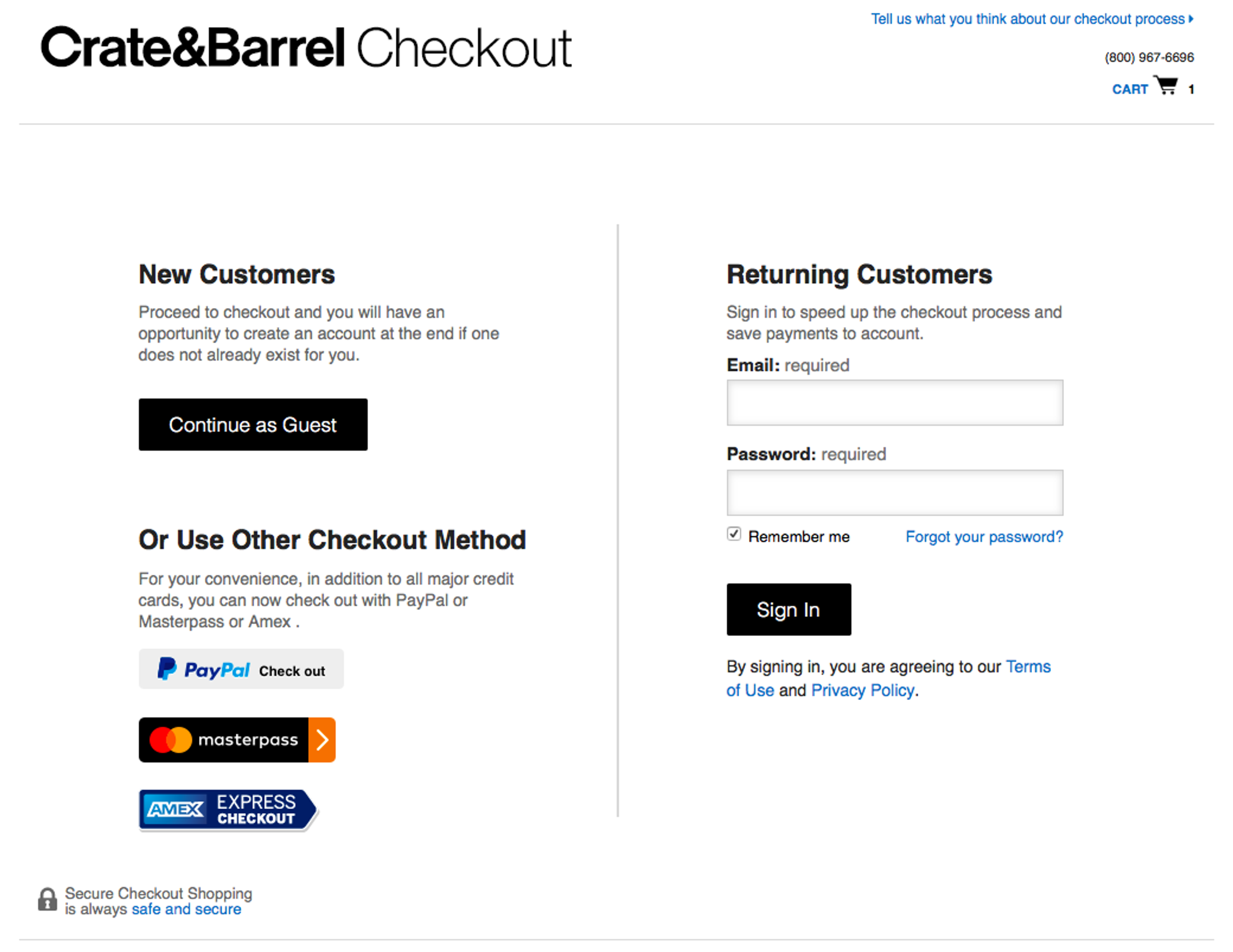
Offering customer accounts can help retain customers by making the purchase process quicker and easier. Here’s how:
When you segment your customer base, you've got smaller groups that you can market to with relevant content. Not just this, but segmentation provides better opportunities for up-selling and cross-selling.
If you don't take this approach, you risk offering all your customers the exact same products and deals, and this simply won't yield the results you want or need.
Segmentation, then, is good marketing and good customer service. Here are a few basic factors that you can base your initial segmentation principles on:
You'll then want to go deeper into your data to uncover trends and patterns between users to further segment your customer base.
For example, you might want to segment by activity. If you have a bunch of users who actively read your emails but don't check your online store much, it's a good idea to target them with promotional emails that draw them back to your store.
On the other hand, if you have a bunch of users who never even open your emails anymore but who still make purchases from you, promotional emails are of little use. To that end, you might want to send out “we miss you” emails.
You can go even deeper into your data and segment according to predictive segments. This is when you use past behavior to make forecasts on future behavior – and adjust your marketing campaigns accordingly.
67% of consumers check your returns page before processing payment. Because that's a super high number, it's really important that you give them exactly what they want.
A returns page offers your customers a bit of peace of mind. Make sure you don't launch your online store without one.
One thing customers want more of in 2026 is a personalized experience. They also want you to “get to know them and understand when to approach them – and when not to.” Using Artificial Intelligence, you can create a highly personalized real-time experience that allows you to have 1:1 conversations.
These conversations give you the chance to learn more about your customers. The more you know about them, the more you can provide them with a better experience that caters to their specific needs. This includes more relevant product suggestions, as well as personalized messages that nudge the customer closer to a sale.
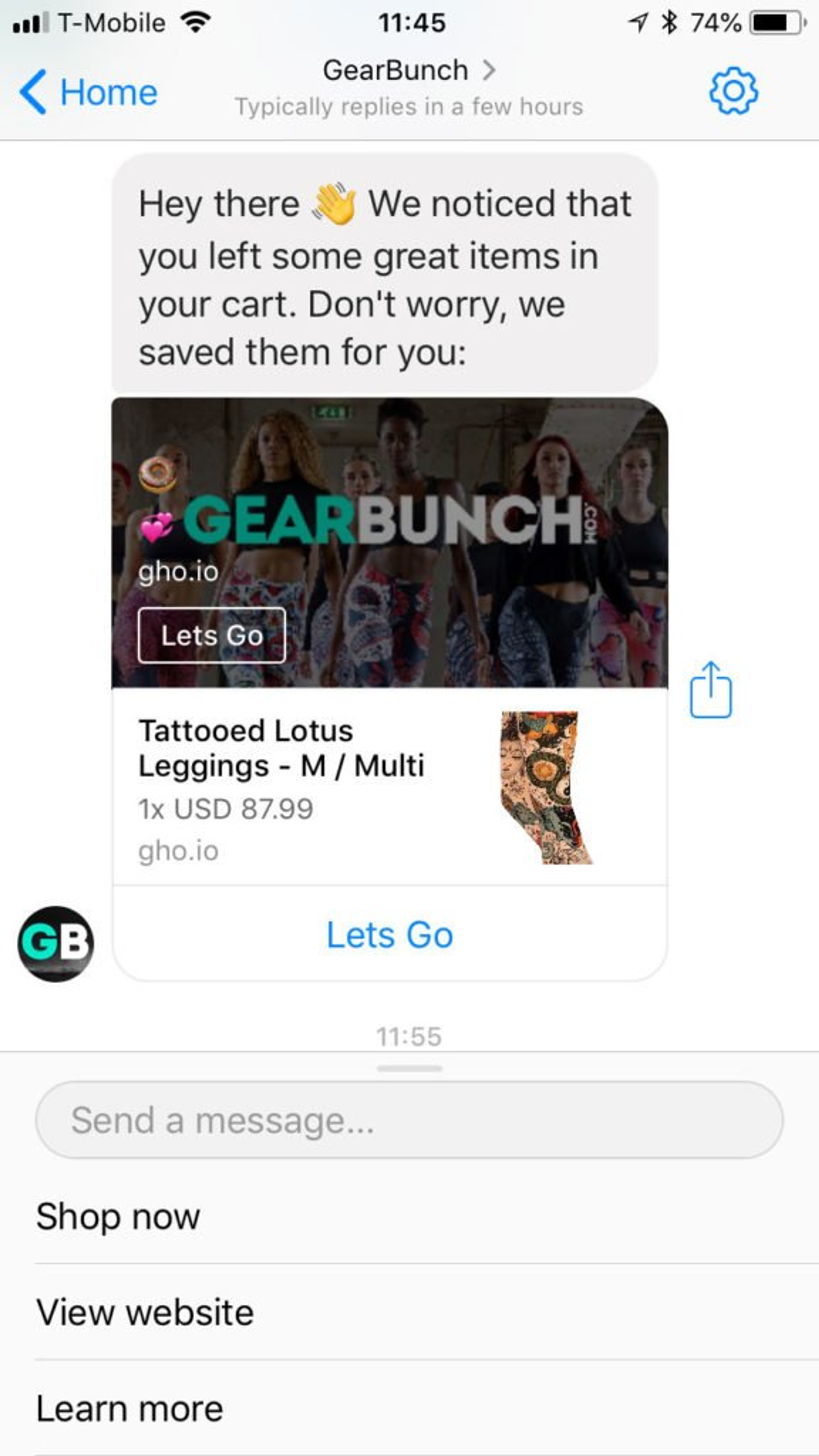
Not just this, but real-time personalization means that your customer service knows exactly who a customer is the next time they get in touch. This speeds up the process and boosts customer satisfaction. It's little touches like that which can make the big differences.
The main beauty of this approach is that you're showing each customer that they're unique to you. By no longer following a blank approach to your customers, you're increasing loyalty.
Here's an excellent resource on 8 AI-driven apps that will help you get started.
Both augmented reality and virtual reality are going to be big deals throughout 2026, but how can ecommerce stores make the most out of them? And are they really essential?
They're definitely essential. AR and VR experiences allow the user to get closer to your products from the comfort of their own home. They can test them and experience them firsthand, which increases the likelihood of a conversion.
By creating an immersive and interactive 360 degree world – like IKEA did – you're going beyond mere product descriptions, photos and even videos.
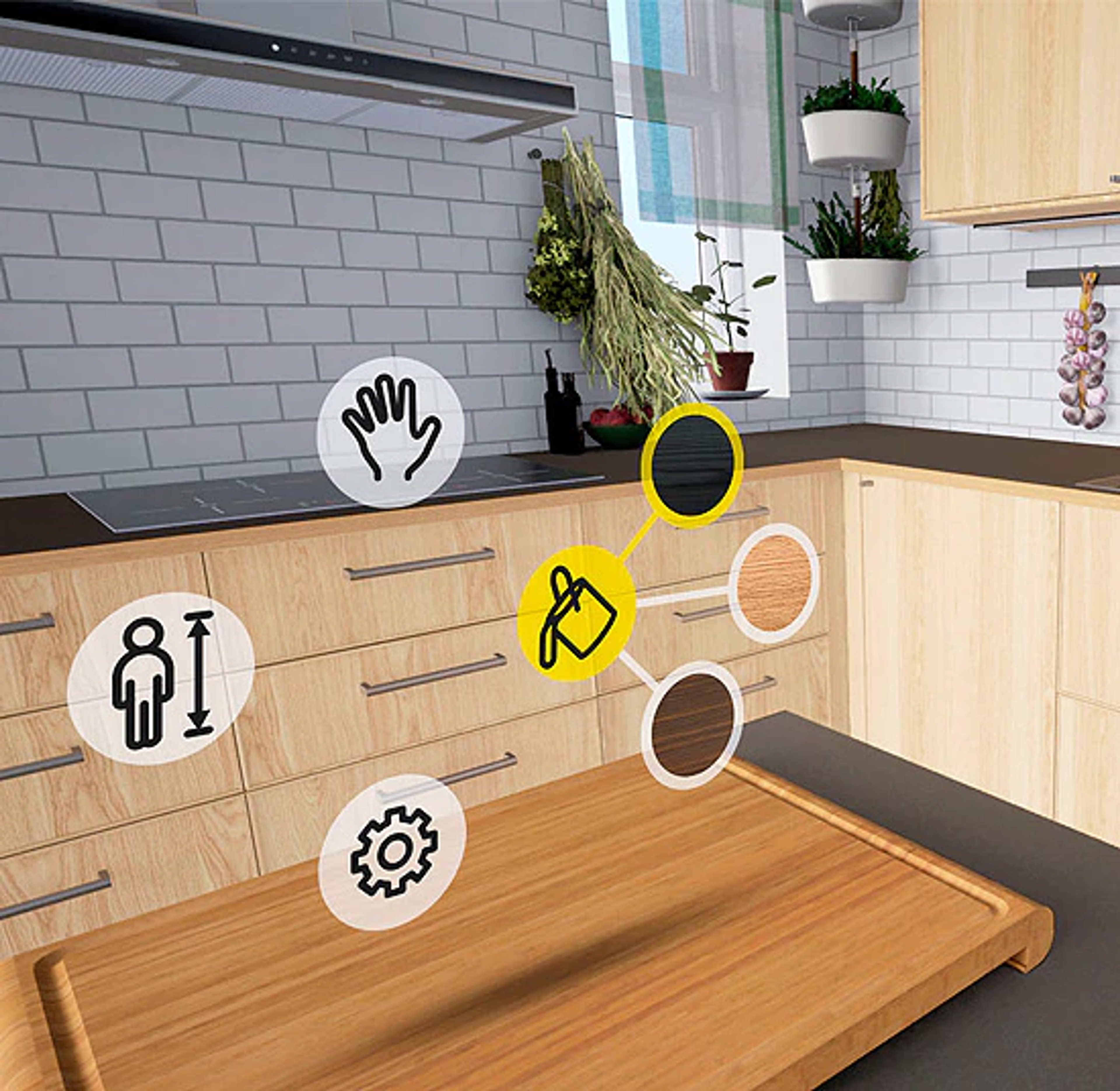
This level of interaction help to build trust, it makes you look more professional by improving brand perception, and they're also pretty damn addictive.
And thanks to this new software release from Apple, no one needs to wear headsets or devices anymore when viewing AR or VR content. Bingo.
Spend some time thinking about how you can leverage both pieces of technology to create a unique, immersive store experience for your customers. Also, consider who to partner with to get the most out of it.
Abandoned carts are a major bummer for online retailers everywhere. But look, they happen. They suck, but they happen.
The good news is that you can reduce the number of abandoned carts by examining the reasons why customers are abandoning them in the first place. And one of the prime reasons is payment security. If a customer can't see their preferred payment option on your checkout page, they'll probably bailout.
It's a good idea to add all the popular payment methods to your store. These include the likes of Paypal, Stripe, and Square, as well as debit and credit cards.
The great thing about artificial intelligence is that it's ‘always on'. If you use it, it will mean that your brand is always on, too.
This suits your customers who are looking to utilize self-service technology. It's pretty much the norm now, which means it has to be on your 2026 checklist. When you're not available, tech is there to respond to customer queries with instant answers and move them along the purchase journey.
By mastering self-service technology – such as digital assistants and voice-based technologies – you can stay one step ahead of your rivals. You could even beat Amazon on this front, too.
However, don't forget the human touch. If there's a concern your customer has that a digital assistant just can't answer satisfactorily, intervene and make it more personal. Either telephone them, email them – or send them a personal video.
Trust is crucial for repeat business. Be transparent, reachable, and always follow through on your promises. When customers feel confident in your brand, they are more likely to return.
Open communication about your products, services, and policies helps foster long-term relationships.
Customer feedback is a powerful tool for improvement. Act on it by:
This demonstrates your commitment to customer satisfaction and encourages loyalty.
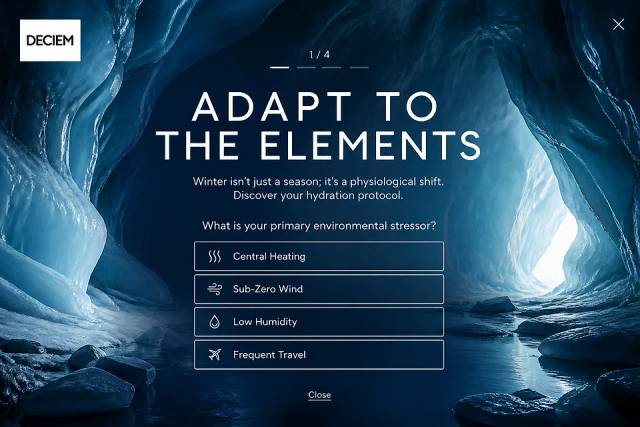
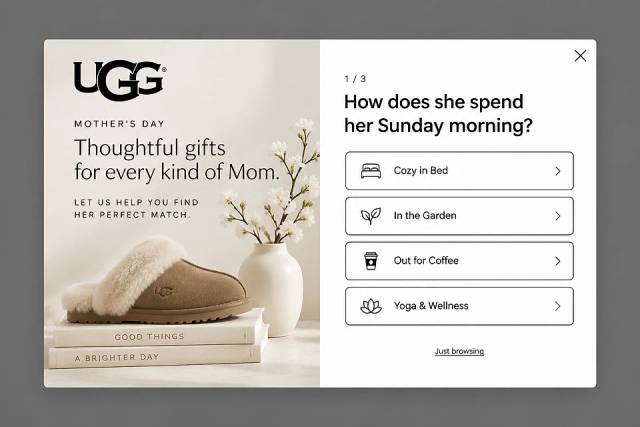
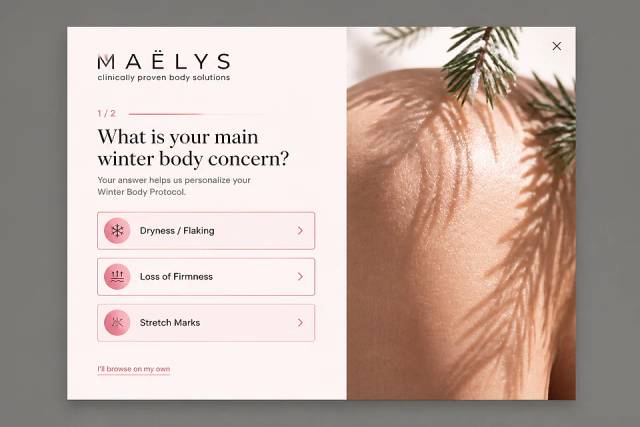
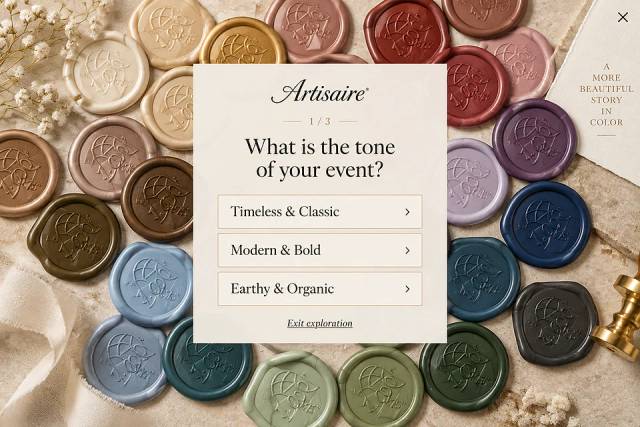
You can start collecting feedback with these popups:
A little surprise can go a long way. Show customers they are valued by adding personalized touches or unexpected extras, like:
These memorable moments help create a deeper emotional connection with your brand, fostering loyalty and repeat business.
Encouraging repeat business requires building strong relationships, providing exceptional customer service, offering high-quality products or services, and implementing strategies like customer loyalty programs.
To start a customer loyalty program, you can offer rewards, discounts, or exclusive perks to repeat customers, keep the program simple and easy to understand, promote it through various channels, personalize the experience, and listen to customer feedback to make improvements.
You can measure the success of your efforts by tracking metrics like customer retention rate, repeat purchase rate, customer lifetime value, and Net Promoter Score (NPS). These metrics can help you assess the effectiveness of your strategies and make data-driven decisions to optimize your approach.
If you notice a decline in repeat business, it's essential to identify the root cause by analyzing customer feedback, examining market trends, and evaluating your products, services, and customer experience. Once you understand the reasons behind the decline, you can take corrective actions to address them and regain customer loyalty.
Improving customer satisfaction involves delivering exceptional service, addressing customer concerns promptly and effectively, providing personalized experiences, and continuously seeking feedback to identify areas for improvement. By prioritizing customer satisfaction, you can enhance loyalty and encourage repeat business.
Because online merchants can't afford to make wrong moves in the crowded ecommerce sector, it's important that you know exactly what you need to do in order to keep your customers.
Use this list, refer back to it, take action and keep monitoring your results. As the year goes on, keep checking for new trends so that you continue to stay one step ahead of the rest.
Discover creative Thanksgiving marketing ideas to engage customers, build buzz, and drive sales before Black Friday and Cyber Monday.
Learn 5 ways ecommerce brands can turn new subscribers into recurring revenue using welcome flows, personalization, loyalty programs, re-engagement, and referrals.
In this article, we’ve compiled a list of the 25 top ecommerce apps that will help you streamline your operations, boost sales, and grow your online business.