


Black Friday Marketing Strategy: 30 Ideas for 2026
In this article, we'll share 30 actionable Black Friday marketing ideas for ecommerce businesses to make 2026 your most successful yet.
10 email list building tools for online stores compared: popup builders and email platforms, with free plans, real prices and when you need a separate tool.
In short
Email list building tools turn store visitors into subscribers you can email. If your email platform's own sign-up forms convert well, you may not need one; add a popup tool when you want better targeting, A/B tests and lucky wheels. Compare free plans, real prices and Shopify fit.
The best email list building tools for online stores are OptiMonk, Klaviyo sign-up forms, Omnisend, Privy, Mailchimp, Sleeknote, Wisepops, Poptin, Getsitecontrol and OptinMonster.
We make one of these tools, so we spend a lot of time looking at the others. The question store owners ask us most is simple: my email platform already has sign-up forms, do I really need another tool? Sometimes the honest answer is no. This guide helps you decide, with real prices from each vendor's own pricing page and the downsides of every tool, our own included.
Popup tools like OptiMonk collect emails and send them to your email platform; all-in-one platforms like Klaviyo collect and send. If you run a store, pick one with cart-based targeting and Shopify discount codes.
| Tool | Type | Free plan | Entry paid plan | Priced by | Best for |
|---|---|---|---|---|---|
| OptiMonk | Popup tool | Yes, all features (10,000 pageviews/mo) | $19/mo billed yearly ($29 monthly) | Pageviews + AI credits | Stores that want popups designed by AI |
| Klaviyo sign-up forms | Email platform | Yes (250 profiles, 500 emails/mo, web forms included) | $20/mo for up to 500 active profiles | Profiles | Stores already sending with Klaviyo |
| Omnisend | Email platform | Yes (250 contacts, 500 emails/mo, popups with an Omnisend badge) | Standard: $16/mo for 500 contacts | Contacts | Small stores that want email, SMS and popups in one place |
| Privy | Popup tool + email | No (15-day trial) | Popups-only plan: $24/mo (10,000 pageviews) | Pageviews (popups) or contacts (email) | Shopify stores that want popups and email together |
| Mailchimp | Email platform | Yes (250 contacts, 500 emails/mo) | Essentials: from $13/mo | Contacts | Stores that send simple newsletters |
| Sleeknote | Popup tool | No (14-day trial) | Core: €49/mo billed yearly (€62 monthly) | Monthly visitors | Mid-size stores with a marketing team |
| Wisepops | Onsite marketing platform | No (14-day trial after a demo) | Not published (quote after a demo) | Not published | High-traffic stores that want a managed service |
| Poptin | Popup tool | Yes (1,000 visitors/mo, 1 domain) | Basic: $25/mo billed yearly | Monthly visitors | Small stores on a tight budget |
| Getsitecontrol | Popup tool | Yes (10,000 widget views/mo) | Pro: $19/mo | Widget views (emails billed separately) | Small sites that want simple forms |
| OptinMonster | Popup tool | No | Basic: $9/mo billed yearly (first year) | Impressions | WordPress lead generation |
Prices are from each vendor's own pricing page, as of October 2026.
Tools measure usage in different ways. A pageview is every page loaded, a visitor is one person per month, an impression is every time a campaign is shown, and a contact or profile is everyone on your list. So compare what each plan covers at your own traffic and list size, not just the headline price.
Not always. The built-in forms in Klaviyo, Omnisend or Mailchimp are enough to start collecting emails. A separate popup tool is worth it when targeting, A/B testing, gamification and a proper mobile version start to matter.
Email marketing software is built to send: flows, campaigns, segments. Its sign-up forms are one feature among many. A dedicated list building tool is built for the moment a shopper is on your store, so it usually gives you:
The two work together. The popup tool collects the email (and often the phone number), then passes it to your email platform, which sends the welcome flow. You don't replace your email marketing software; you feed it.
A simple rule: if your email platform's forms convert well enough and you only need one welcome popup, stay with them. If you want different offers for different shoppers, or you're testing what works, add a popup tool.
If you're choosing the sending platform itself, see our comparison of the best email and SMS marketing software.
There are three kinds of tools that collect emails on a store. The right one depends on how you want to work.
| Popup tool | All-in-one email platform | Marketing suite | |
|---|---|---|---|
| What it does | Shows popups and forms, collects emails and phone numbers | Collects emails and sends email (often SMS too) | CRM, landing pages, email, sales tools |
| Examples | OptiMonk, Sleeknote, Poptin, Getsitecontrol, OptinMonster | Klaviyo, Omnisend, Mailchimp | HubSpot |
| Targeting and testing | Deepest | Basic to good | Often on higher tiers |
| You also need | An email platform | Nothing else to start | Nothing else, but more setup |
| Best for | Stores that want more subscribers from the same traffic | Stores that want one tool and one bill | B2B and larger teams that need a CRM |
Privy and Wisepops sit in between: Privy sells popups on their own or with email, and Wisepops adds other onsite channels to popups.
For most online stores, a marketing suite is more than they need. This list covers the first two types.
We looked at the tools an online store can run on its own and compared them on six things:
We're OptiMonk, so we put ourselves first. We've tried to describe every tool fairly, including our own downsides.
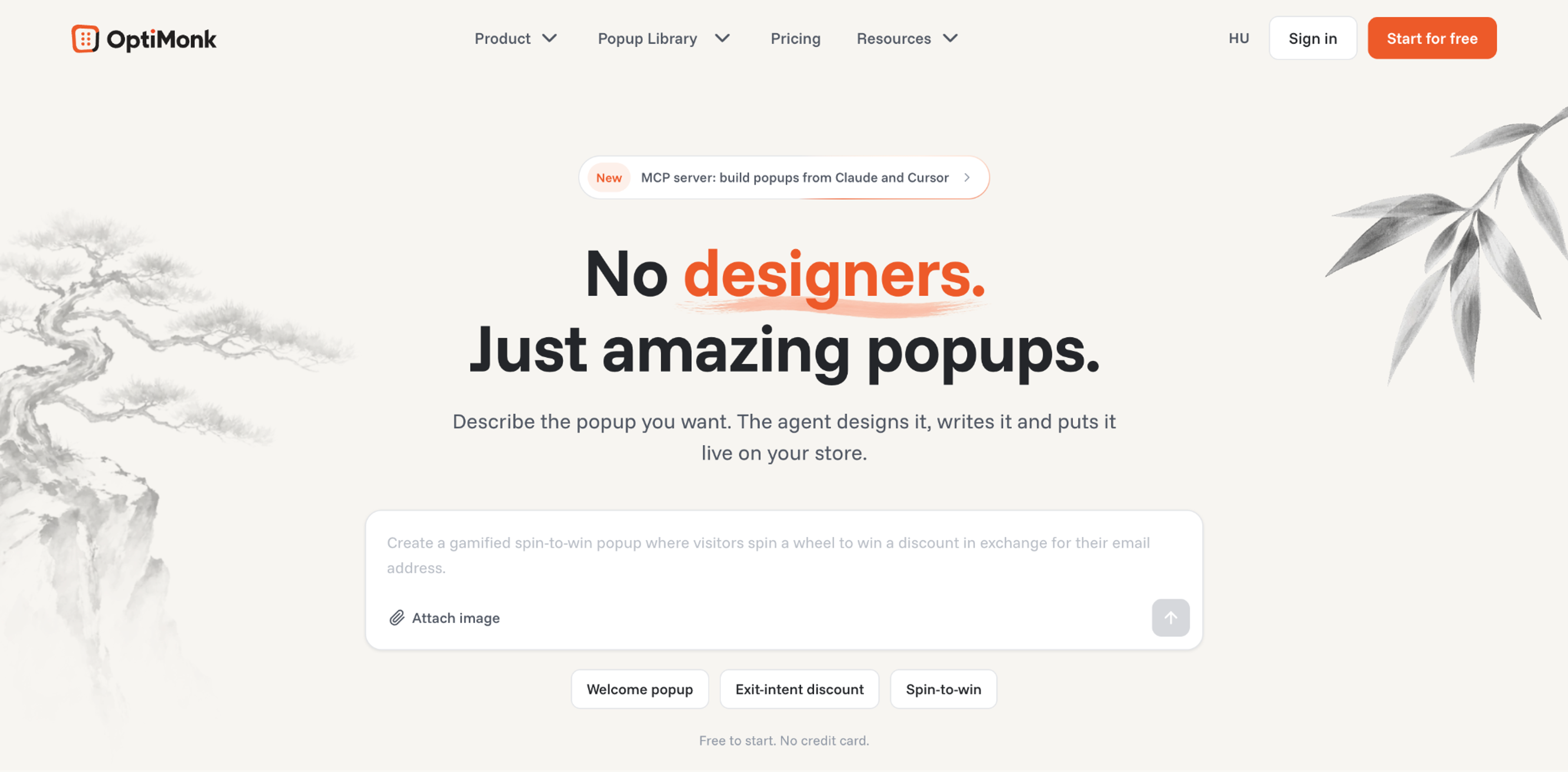
Best for: stores that want more subscribers without designing popups themselves.
OptiMonk is an agentic popup builder for online stores. You describe the popup you want in one sentence, for example "create a welcome popup offering a discount on the first order in exchange for an email address". The AI agent designs it for your brand, writes the copy, and builds a separate mobile version.
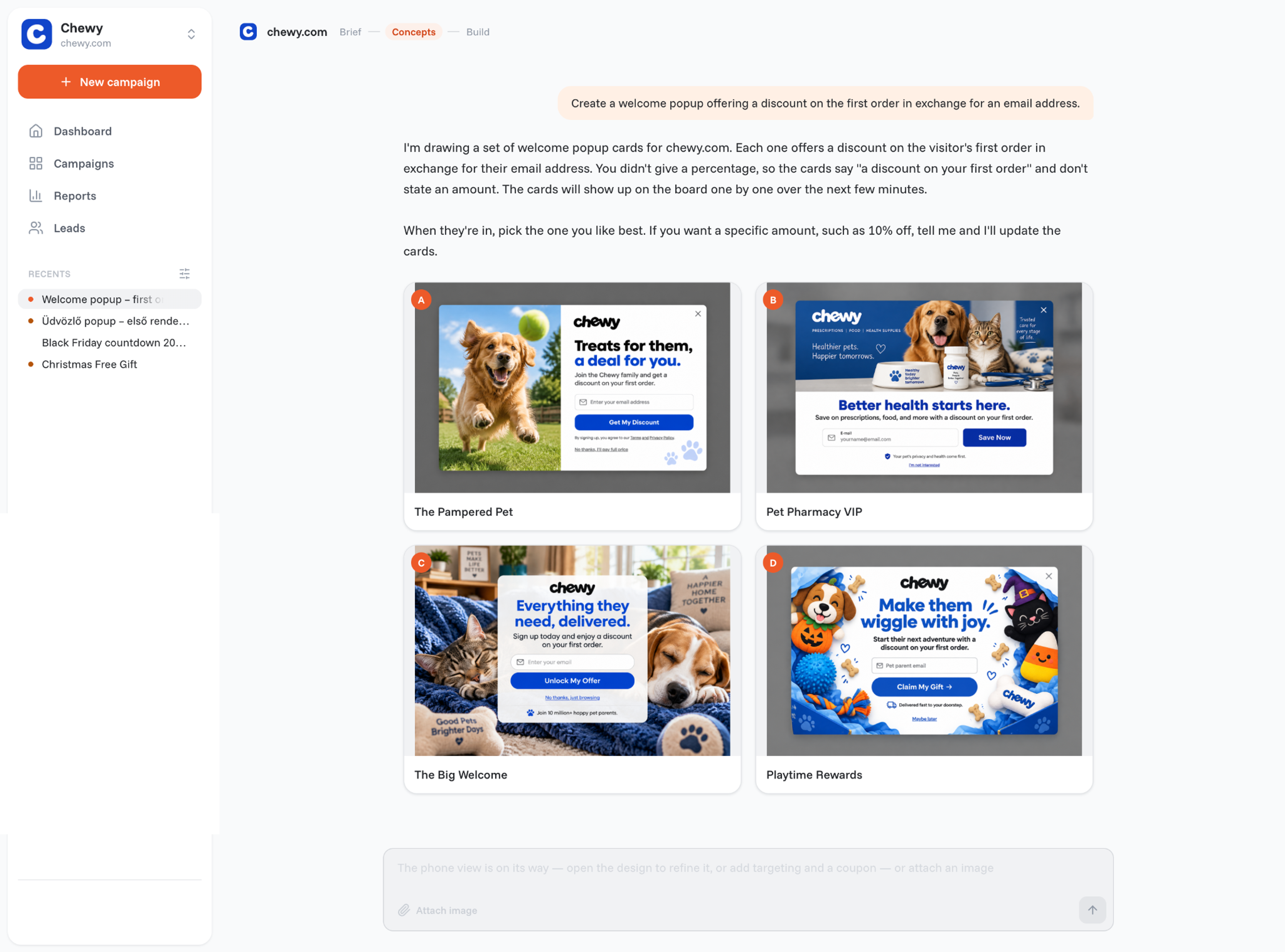
Key features
Pricing (OptiMonk pricing page): Free plan with every feature, up to 10,000 pageviews and 1,000 AI credits a month on one domain. Paid plans from $19/mo billed yearly ($29 billed monthly). Plans differ only in traffic, AI credits and domains. See pricing.
Pros
Cons
Comparing directly? See OptiMonk vs Privy and OptiMonk vs OptinMonster.
Best for: stores that already send email with Klaviyo.
Klaviyo is an email and SMS platform built for ecommerce. Its web forms collect emails and phone numbers straight into your Klaviyo lists, so the welcome flow starts right away.
Pricing (Klaviyo's pricing page, Oct 2026): web forms are included in the free Klaviyo plan (up to 250 profiles and 500 emails a month). Paid plans start at $20/mo for up to 500 active profiles and grow with your list: $150/mo at 10,000 and $720/mo at 50,000 active profiles.
Pros
Cons
Already on Klaviyo? OptiMonk can show or hide campaigns by Klaviyo list or segment.
Best for: small stores that want email, SMS and popups in one place.
Omnisend is an ecommerce email and SMS platform. Popups, teasers, landing pages and embedded sign-up forms are included on every plan, Free too.
Pricing (Omnisend's pricing page, Oct 2026): Free for 250 contacts and 500 emails a month, with a "Powered by Omnisend" badge on emails and sign-up forms. Standard: $16/mo for 500 contacts and 6,000 emails. Pro: $59/mo for 2,500 contacts and unlimited emails. SMS from $0.007 per message.
Pros
Cons
Best for: Shopify stores that want popups and email marketing in one tool.
Privy combines onsite popups with email and SMS for small and mid-size stores. You can buy the popups on their own or together with email.
Pricing (Privy's pricing page, Oct 2026): no free-forever plan; a 15-day free trial with no card. Pop-ups & Displays only: from $24/mo for up to 10,000 pageviews. Email plans from $30/mo for up to 1,500 contacts, with popups included. Exit intent popups are listed on the popup plan.
Pros
Cons
See also: Privy alternatives.
Best for: stores that send simple newsletters and want a free start.
Mailchimp is a widely used email platform with sign-up forms built in. It's a general email tool, not one built for stores.
Pricing (Mailchimp's pricing page, USD, Oct 2026): Free for 250 contacts and 500 emails a month (250 a day). Essentials from $13/mo, Standard from $20/mo. Popup forms are listed on every plan, but marked as a beta with "very limited availability".
Pros
Cons
Using Mailchimp? See how to add a Mailchimp popup.
Best for: mid-size stores with a marketing team that wants a polished onsite tool.
Sleeknote is a popup tool focused on ecommerce, with a separate Sleeknote for Shopify page.
Pricing (Sleeknote's pricing page, Oct 2026): no free plan; a 14-day free trial with no card. Core: €49/mo billed yearly or €62/mo billed monthly, for up to 25,000 visitors a month. Core + Gamification: €68/mo billed yearly.
Pros
Cons
Best for: high-traffic stores that want popups plus other onsite channels and a team to run them.
Wisepops describes itself as an activation platform with six channels, a quiz builder, A/B tests with control groups and 50+ integrations, including Klaviyo and Shopify. You start with a demo; its team sets up the trial.
Pricing (Wisepops' website, Oct 2026): prices aren't published. You request a demo and get a quote, so you can't compare costs before talking to sales. A 14-day trial starts after the demo.
Pros
Cons
See OptiMonk vs Wisepops.
Best for: small stores on a tight budget.
Poptin is a popup and form builder with basic email sending.
Pricing (Poptin's pricing page, Oct 2026): Free for 1,000 visitors a month on one domain (250 active contacts, 500 emails). Basic: $25/mo billed yearly ($240/yr) for 10,000 visitors. Pro: $59/mo billed yearly for 50,000 visitors.
Pros
Cons
See OptiMonk vs Poptin.
Best for: small sites that want simple forms at a low price.
Getsitecontrol builds popups and forms, and can also send emails to the people who sign up.
Pricing (Getsitecontrol's pricing page, Oct 2026): Free for 10,000 widget views a month. Pro: $19/mo for 100,000 widget views. Pro Max: $29/mo for unlimited widget views. Contacts are unlimited on every plan; email sending is billed separately, from $2.00 per 1,000 emails on Free to $1.40 on Pro Max. Yearly billing saves up to 25%.
Pros
Cons
See also: Getsitecontrol alternatives.
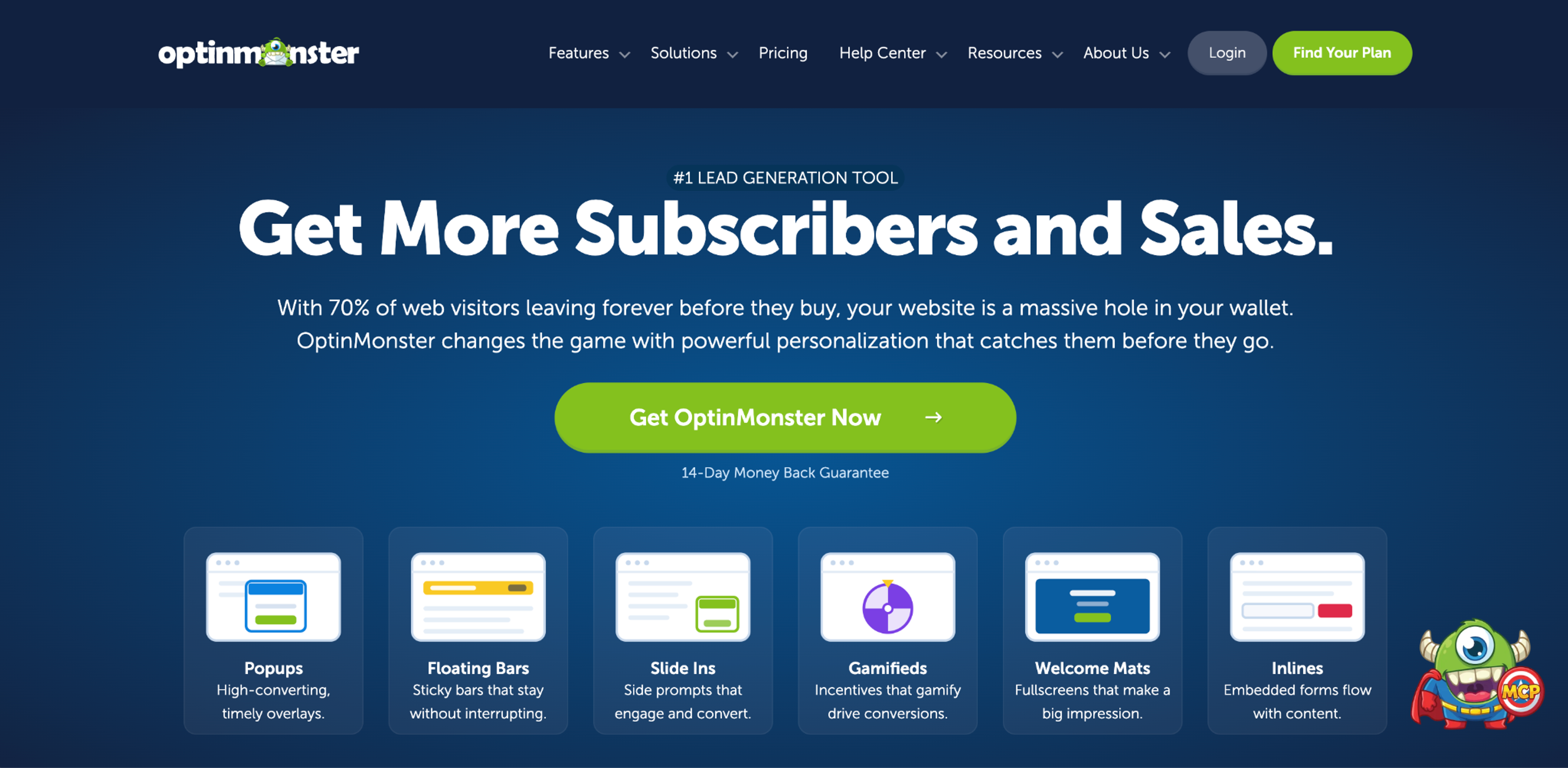
Best for: WordPress sites focused on lead generation.
OptinMonster is a long-standing lead capture tool that grew up on WordPress.
Pricing (OptinMonster's pricing page, Oct 2026): no free plan. Basic: $9/mo billed yearly ($108 for the first year, renews at $210/yr) for 1 site and 2,500 impressions a month. A/B testing starts on Plus ($27/mo), Exit Intent® on Pro ($37/mo), and Shopify and WooCommerce integrations on Growth ($67/mo).
Pros
Cons
More options: OptinMonster alternatives.
Pick by what you already have and what you want to improve.
| Your situation | Pick |
|---|---|
| New store, no email tool yet, low traffic | An email platform with free forms (Klaviyo, Omnisend, Mailchimp) |
| Already on Klaviyo or Omnisend, want more signups | Keep it, and add a popup tool for targeting and testing |
| Want lucky wheels, scratch cards or surveys | A popup tool |
| Want one tool and one bill above all | An all-in-one platform (Omnisend, Privy) |
| High traffic, want to test offers and see revenue per popup | A popup tool with A/B and holdout tests |
Many stores do both: the email platform sends, the popup tool fills the list.
The tool matters less than what you put in front of shoppers. Five habits that work with any of the tools above:
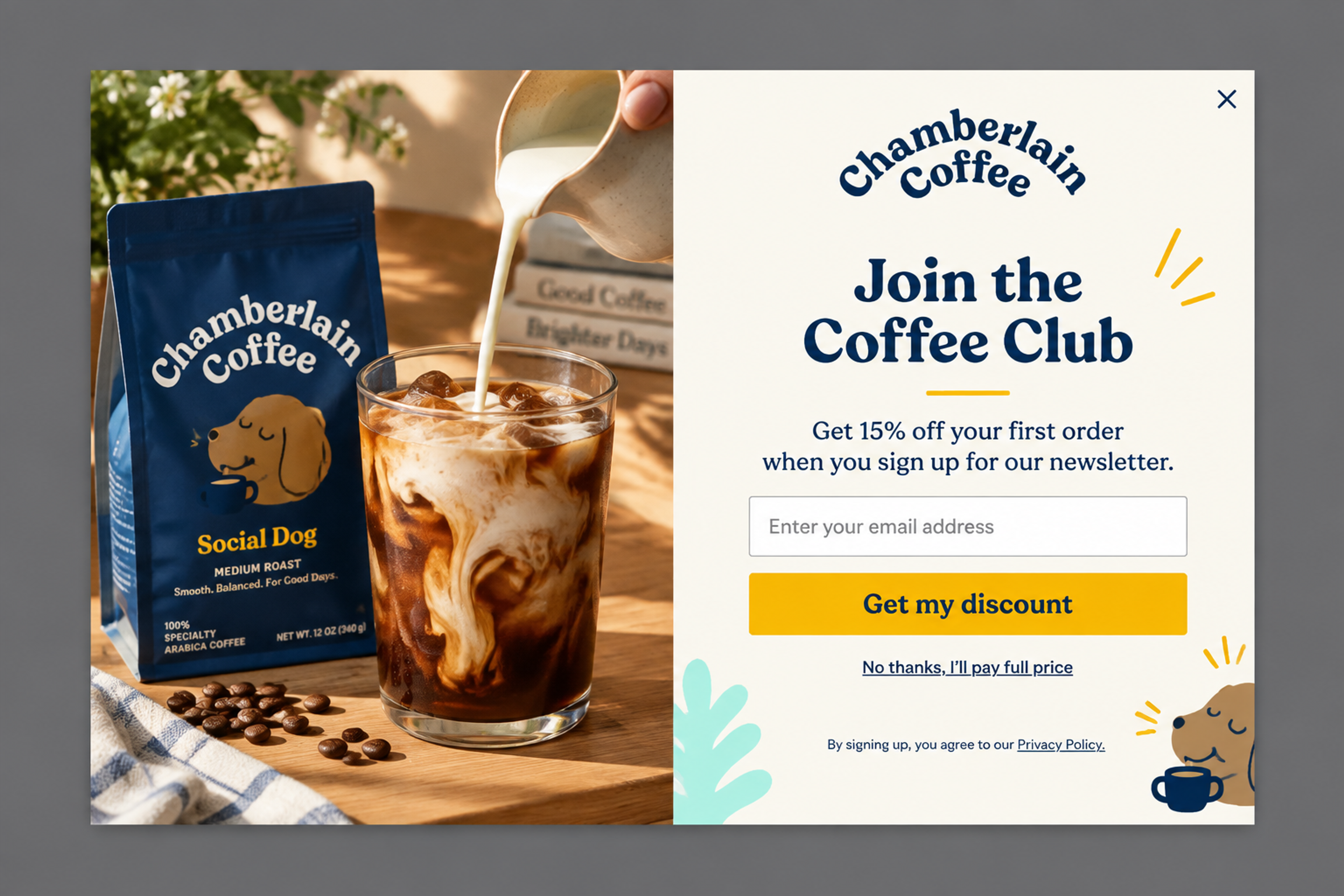
A welcome popup designed for Chamberlain Coffee: one offer, one field. See this popup
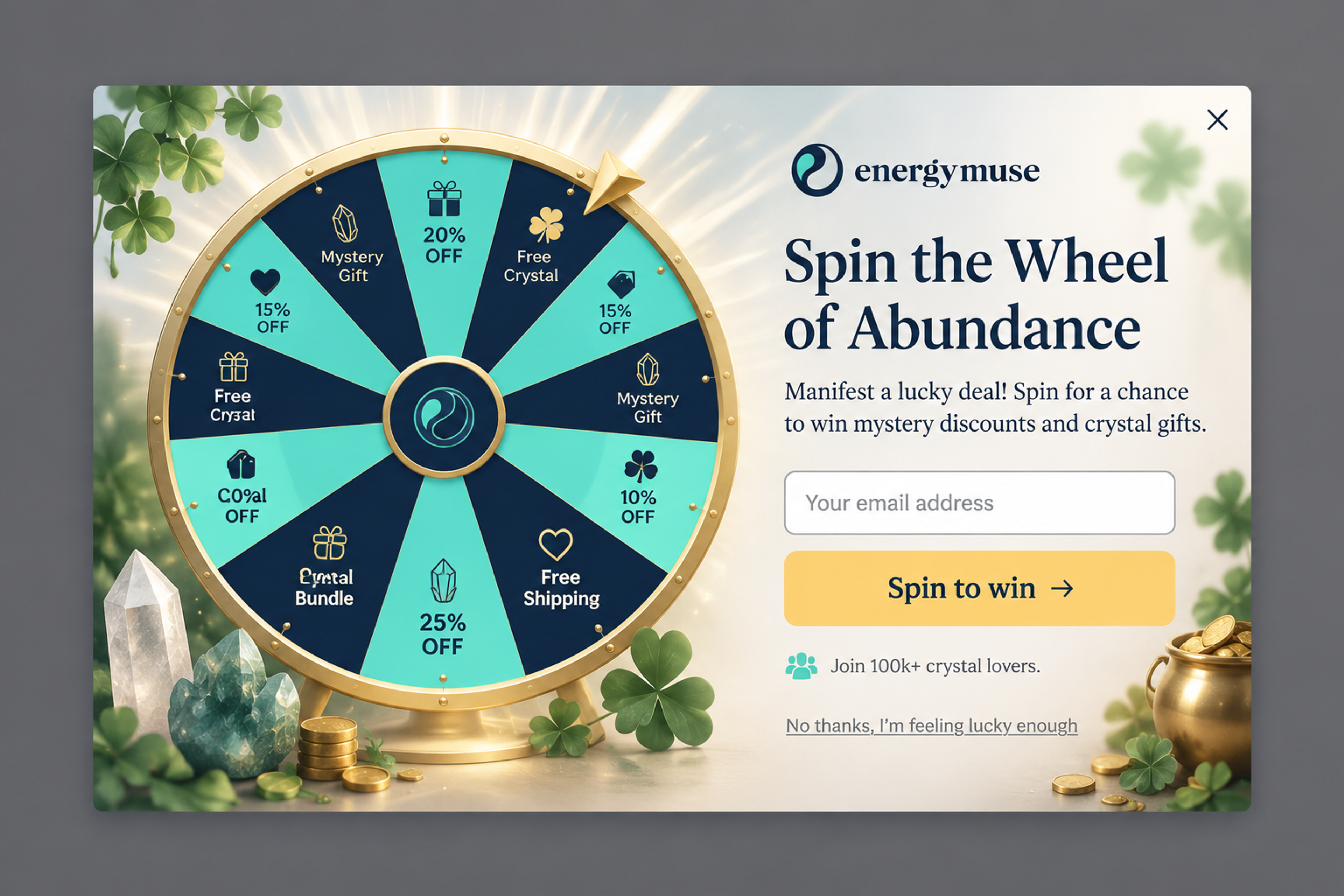
A lucky wheel designed for Energy Muse: the email field sits next to the wheel. See this popup
For the full playbook, read our email capture best practices, list building strategy and how to build an email list from scratch. For the bigger picture, start with our guide to lead capture.
An email list building tool collects email addresses (and often phone numbers) from your website visitors, usually with popups, forms or landing pages. It then sends each new subscriber to your email platform, so you can reach shoppers directly instead of relying on ads or social media.
For an online store, OptiMonk's free plan includes every feature, up to 10,000 pageviews a month. Klaviyo, Omnisend and Mailchimp include sign-up forms on their free plans (250 contacts or profiles), and Getsitecontrol and Poptin have free popup plans with lower limits. Prices as of October 2026.
No. Email capture software collects addresses on your site; email marketing software sends the emails. Some tools do both, like Klaviyo, Omnisend and Privy. A dedicated capture tool like OptiMonk passes signups to the email platform you already use.
Yes. You can use embedded forms, a footer sign-up, a landing page, checkout opt-ins or social media sign-ups. Popups usually collect more signups from the same traffic because they show one offer at the right moment, but the best mix depends on your store.
Install an email capture app, such as OptiMonk or Privy, and connect it to your email platform. Show a welcome offer (a discount or free shipping) to first-time visitors, add an exit-intent popup, and use a Shopify discount code so the offer works at checkout. If you'd rather build forms only, see our list of Shopify form builder apps.
Your first popup is one sentence away. Describe the offer you want to show, and the agent designs the popup for your brand, with a separate mobile version and the targeting you choose. New subscribers go straight to the email tool you already use, like Klaviyo.
Free to start. No credit card.

In this article, we'll share 30 actionable Black Friday marketing ideas for ecommerce businesses to make 2026 your most successful yet.

Learn about email marketing frequency for ecommerce stores. Most send 1-3 emails per week, with frequency adjusted by subscriber engagement and store type.

Let's take a look at the 21 best lead generation software for 2026 and discuss the features that any lead generation tool should have.