

Black Friday Marketing Strategy: 30 Ideas for 2026
In this article, we'll share 30 actionable Black Friday marketing ideas for ecommerce businesses to make 2026 your most successful yet.
Learn about email marketing frequency for ecommerce stores. Most send 1-3 emails per week, with frequency adjusted by subscriber engagement and store type.
In short
For most e-commerce stores, the ideal email marketing frequency is 1–3 campaigns per week, supplemented by automated flows like welcome sequences, abandoned cart emails, and post-purchase follow-ups. Instead of asking “how often,” focus on who receives the emails: engage active subscribers more, send fewer emails to less-engaged ones, and suppress inactive subscribers. Segmenting your list and adjusting frequency by engagement drives revenue, maintains deliverability, and reduces unsubscribes. A simple 90-day framework—establish baseline, segment, optimize—helps find your optimal cadence without guesswork.
There's a uniquely frustrating moment in every ecommerce store's growth: the team finally builds a real email list, fires off a campaign or two, and then immediately gets stuck on a question nobody can confidently answer. How often is too often?
Send too few, and your list goes cold. Subscribers forget who you are by the time you show up again. Send too many, and you watch your unsubscribe rate climb while your sender reputation quietly tanks in the background.
Most advice on this topic shrugs and says "it depends." That's technically true and practically useless. This guide does something different: real benchmarks (with sources), the segments that change the math, and a 90-day framework you can run starting Monday.
For most ecommerce stores, 1 to 3 campaign emails per week hits the sweet spot. High enough to drive revenue, low enough to keep unsubscribes under 0.3%.
MailerLite analyzed over 12 billion emails across 1.4 million campaigns and found that cadences from monthly to twice per week consistently produced the strongest engagement. Litmus reports that around 40% of ecommerce brands run on a weekly schedule by default.
That's the baseline. Now let's talk about why almost no store should actually stick to a flat "1-3 per week for everyone" schedule.
Marketers who agonize over "is twice a week too much?" are usually solving the wrong problem. Twice a week isn't too much for your VIPs. It's almost certainly too much for someone who joined your list six months ago and hasn't opened anything in the last 90 days.
The right first question is: who am I sending to, and how engaged are they?
The Manifest found that 69% of unsubscribes happen because subscribers receive too many emails. But MarketingSherpa data shows 56% unsubscribe specifically because the content stopped being relevant. The line between "too many emails" and "too many irrelevant emails" is thinner than it looks, and almost always solvable with segmentation rather than by sending less.
The principle: send more to the people who want more. Send less to the people who don't. Stop sending to the people who never will.
Different ecommerce categories naturally support different email marketing frequencies. The honest brackets:
These stores have natural reasons to email more often: new arrivals, restocks, seasonal collections, and content adjacent to the product (recipes, tutorials, styling).
The middle of the pack, where most ecommerce stores live.
Considered purchases. Your subscribers aren't waiting for your weekly drop. They're researching slowly, and over-emailing this audience burns trust fast.
These are starting points, not rules. The store that outperforms its category is the one that finds its own number by testing.

Here's the version most "how often should you email" articles skip, because it requires real list segmentation work. But it's also where the actual revenue lives.
Split your list into three engagement tiers and treat each one differently:
Cutting disengaged subscribers from your regular send list usually raises your open and click rates instantly, which improves deliverability for everyone else. It feels counterintuitive (how can fewer recipients make more money?), but smaller, more engaged lists consistently outperform bigger, indifferent ones.
The "how often should I email" conversation usually means campaigns: your broadcast newsletters, promos, and announcements. But automated flows are emails too, and they follow different rules.
A typical healthy ecommerce email rhythm looks like this:
The reason this matters: an engaged subscriber going through your welcome and post-purchase flows is already getting plenty of emails from you. Stacking three weekly campaigns on top of that often pushes them into unsubscribe territory. Look at the full picture, not just campaigns.
The metrics will tell you before your customers do. Watch for these red flags:
If two or more of these are happening at once, cut frequency by 25-30% for two weeks and re-measure.
The opposite problem is sneakier because the metrics often look "fine," just quietly underperforming what they could be.
The fix isn't always "send more campaigns." Sometimes it's "actually turn on the automated flows you set up six months ago and forgot about." Per Omnisend's research, promotional emails drive around 24% of total ecommerce sales, but flows often drive even more revenue per recipient.

Forget perfection. Run this:
Pick a cadence (start at 2 campaigns per week for most stores). Send consistently for four weeks. No big tests yet. Track open rate, click rate, unsubscribe rate, and revenue per recipient as your baseline numbers.
Build the three engagement tiers (engaged, lapsing, disengaged). Increase frequency to engaged subscribers; try 3 per week. Drop disengaged subscribers from regular campaigns and put them in a re-engagement flow. Hold lapsing subscribers at 1 per week. Measure deliverability and RPR against your baseline.
By now you have real data. Ask the honest questions: does the engaged segment respond to 3/week, or do unsubscribes creep up? Is your re-engagement flow recovering 10%+ of disengaged subscribers, or are most just dead weight that should be suppressed? Then adjust frequency by segment and lock in your new defaults.
This isn't fancy. It's just the discipline of actually measuring what changes when frequency changes, instead of guessing.
There's no universal "right" email frequency for ecommerce, but there are wrong ones, and most stores are sitting in one of them.
The boring truth: 1-3 campaigns per week, layered on top of well-built automated flows, segmented by engagement, with disengaged subscribers regularly cleaned out. That setup outperforms whatever clever cadence you might be tempted to invent.
Start with a baseline. Segment by engagement. Measure RPR, not just opens. Ship more to subscribers who want more, less to those who don't, and nothing at all to those who've made it clear they're never coming back.
Your list will be smaller. Your revenue will be bigger. That's the trade most ecommerce stores forget is on the table.
Harini Arunachalam is an experienced content writer with a passion for transforming complex concepts into engaging, informative content. She has honed her skills in crafting compelling blogs and articles that resonate with a diverse audience.
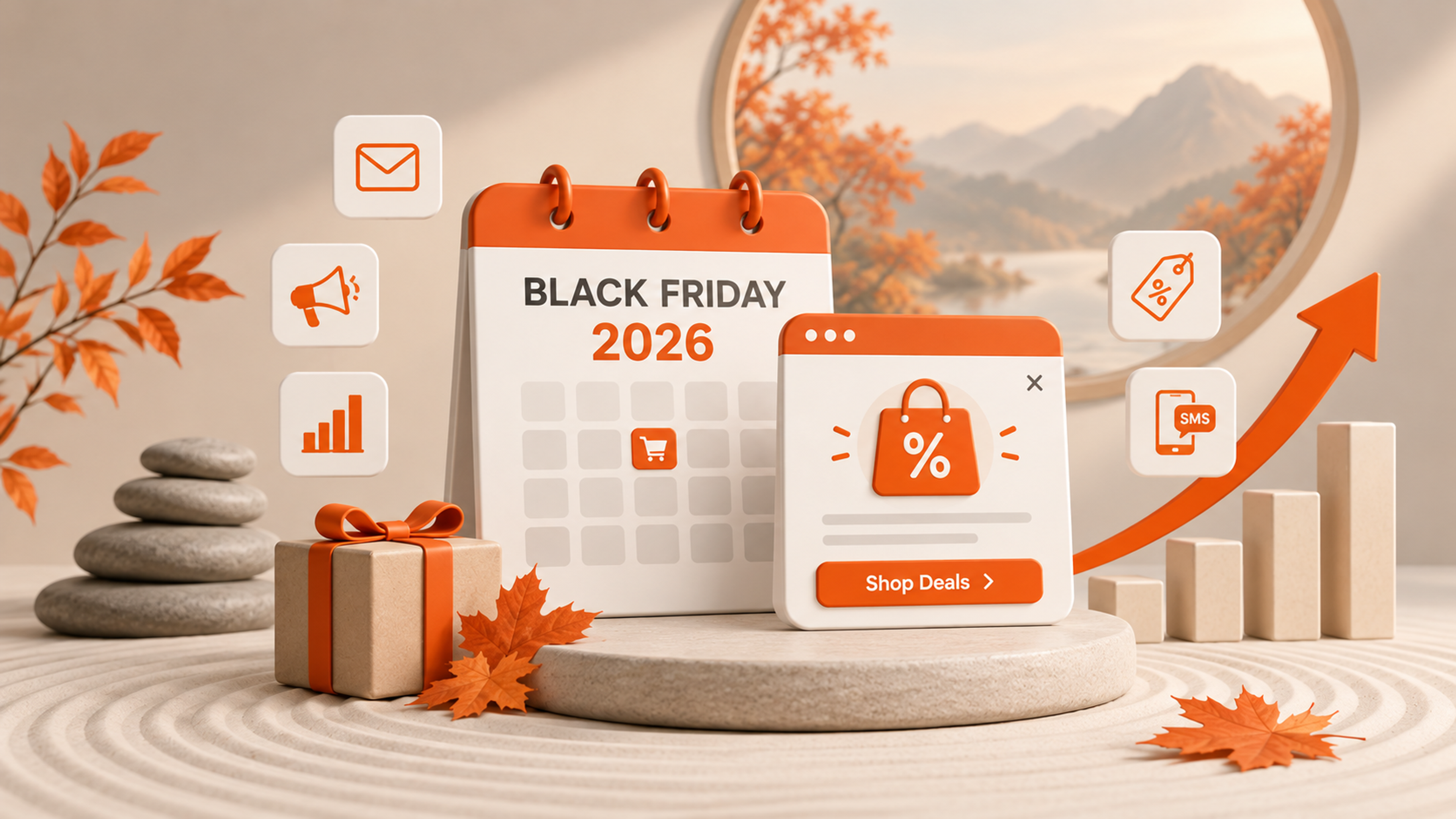
In this article, we'll share 30 actionable Black Friday marketing ideas for ecommerce businesses to make 2026 your most successful yet.
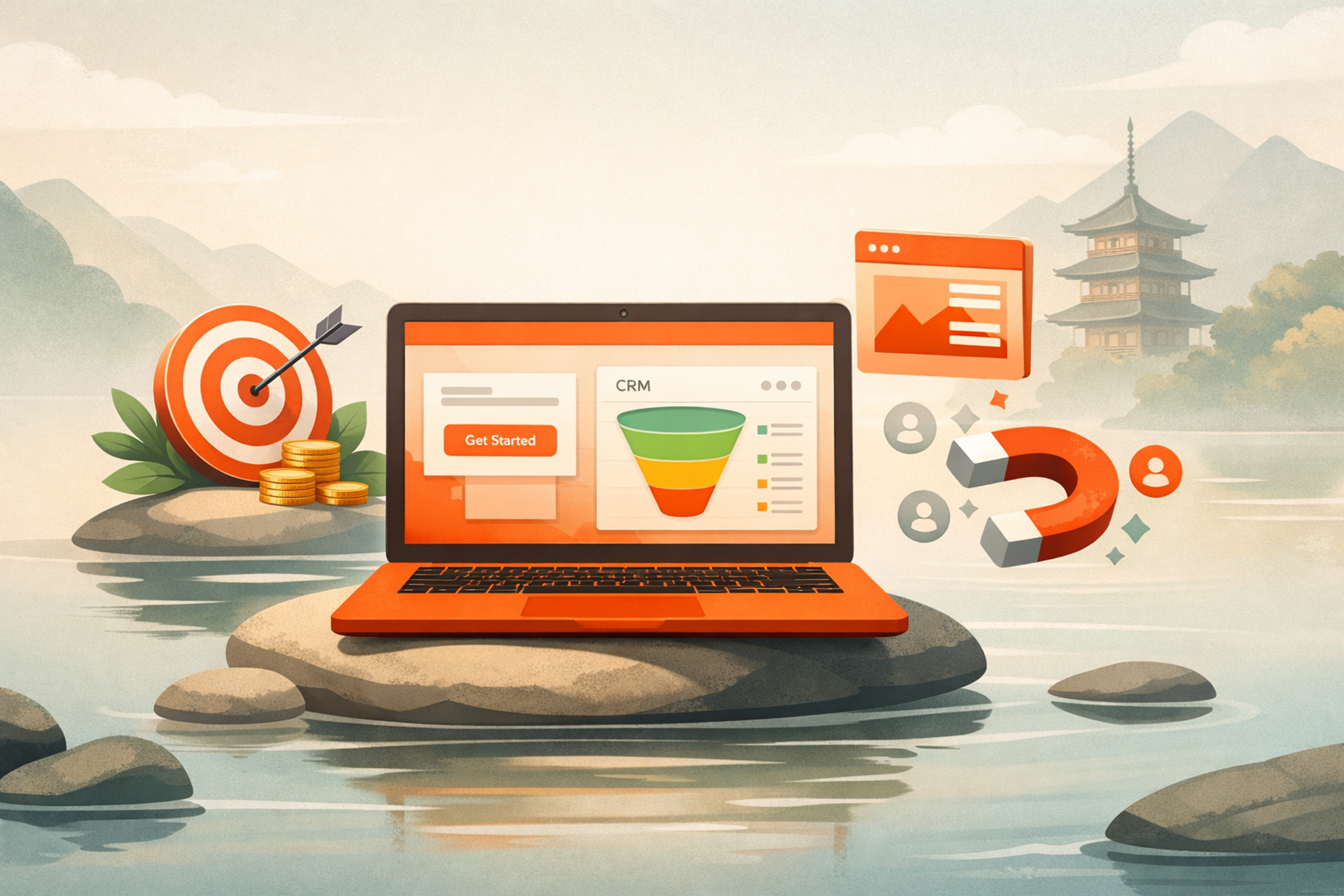
Let's take a look at the 21 best lead generation software for 2026 and discuss the features that any lead generation tool should have.
In this guide, you'll learn what UTM codes are, how they work, and how to generate UTM links for email, social, and ads.