



14 Effective Thanksgiving Marketing Ideas to Boost Your Sales in 2026
Discover creative Thanksgiving marketing ideas to engage customers, build buzz, and drive sales before Black Friday and Cyber Monday.
In this article, we'll share the biggest ecommerce trends that are defining 2026, from the seamless integration of AI to the rise of instant delivery services.
In short
Explore the top ecommerce trends for 2026, including AI-driven personalization, augmented reality shopping, and voice commerce. These innovations are set to transform online shopping experiences, offering enhanced personalization and convenience. Stay ahead by integrating these trends into your business strategy to boost engagement and conversion rates in the rapidly evolving ecommerce landscape.
Ecommerce continues to evolve at lightning speed, and 2026 promises to be a transformative year for online businesses.
With advances in AI, AR, and logistics, brands that adapt early will stand out in an increasingly crowded marketplace.
Whether you're a small business owner, a digital marketer, or simply a tech-savvy shopper, staying ahead of the latest ecommerce trends is essential.
In this article, we'll share the biggest ecommerce trends that are defining 2026.
Let's dive in.
Let's explore the major trends that are revolutionizing the ecommerce industry this year, starting with the integration of augmented reality into online shopping.
Personalization has moved beyond simple product recommendations.
In 2026, AI-driven engines will tailor entire shopping experiences to individual users — from personalized layouts and curated product bundles to dynamic pricing and individualized promotions.
AI will anticipate what customers want, often before they even know it themselves, creating seamless, ultra-relevant experiences.
Personalized product recommendations are one of the best ways to convert visitors into buyers. Check out how Craft Spirit Shop used personalized exit popups to promote relevant products.
Imagine you’re browsing the Craft Spirit Shop website, eyeing that bottle of Buffalo Trace Bourbon.
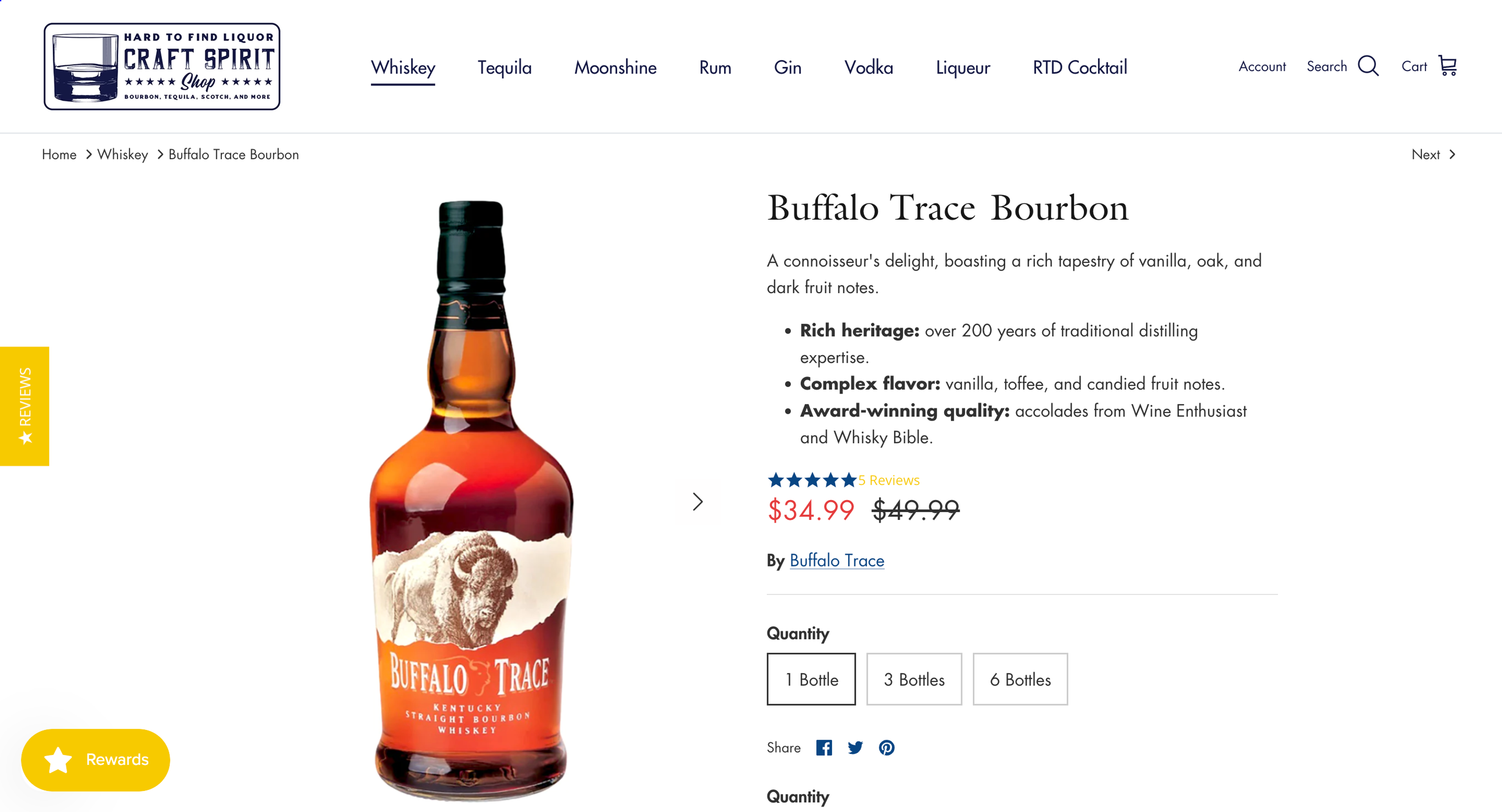
Suddenly, a popup appears, recommending other award-winning bourbons that are sure to tickle your taste buds.
It’s like having a knowledgeable friend guiding you through the virtual aisles, pointing out all the best picks.
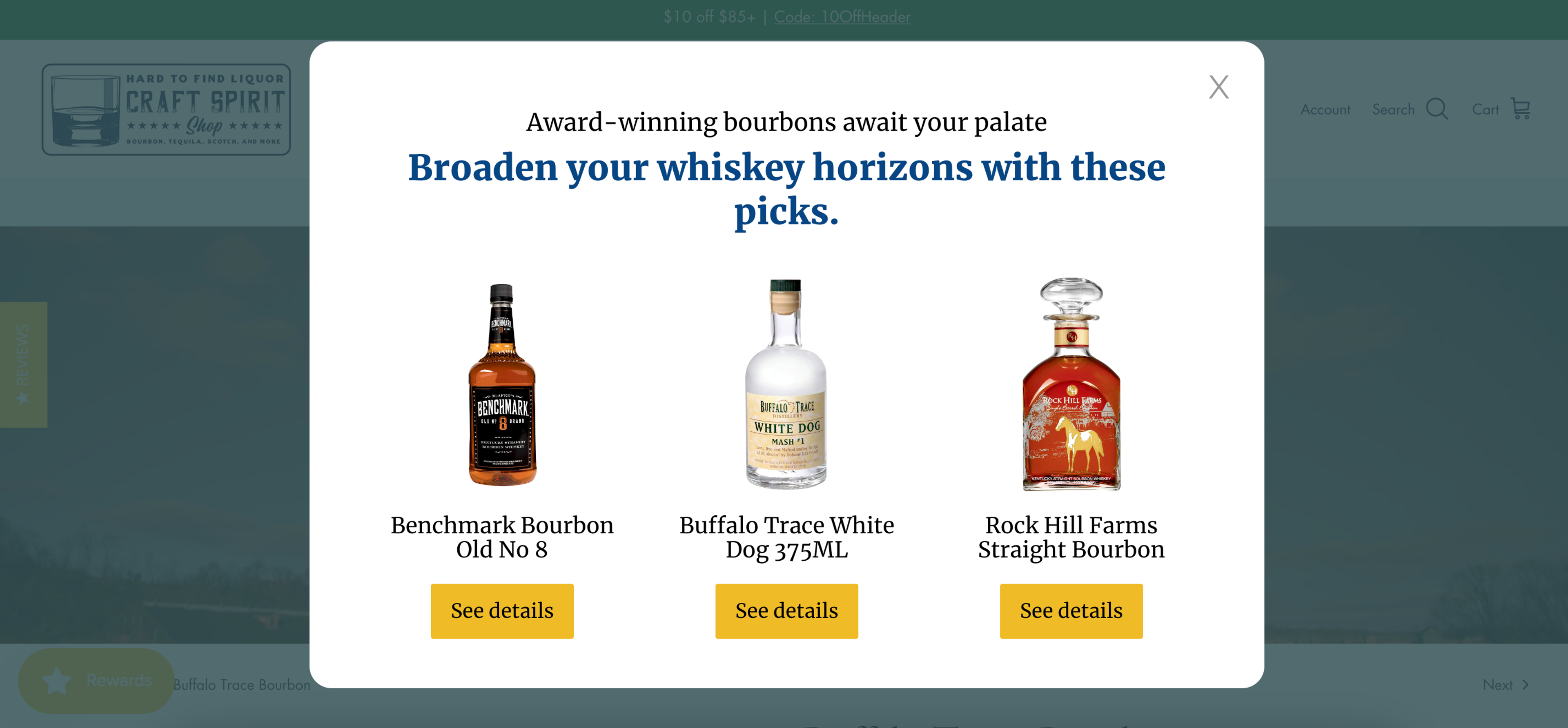
But those visitors who browse the Blue Chair Bay Kenny Chesney Key Lime Rum Cream page...
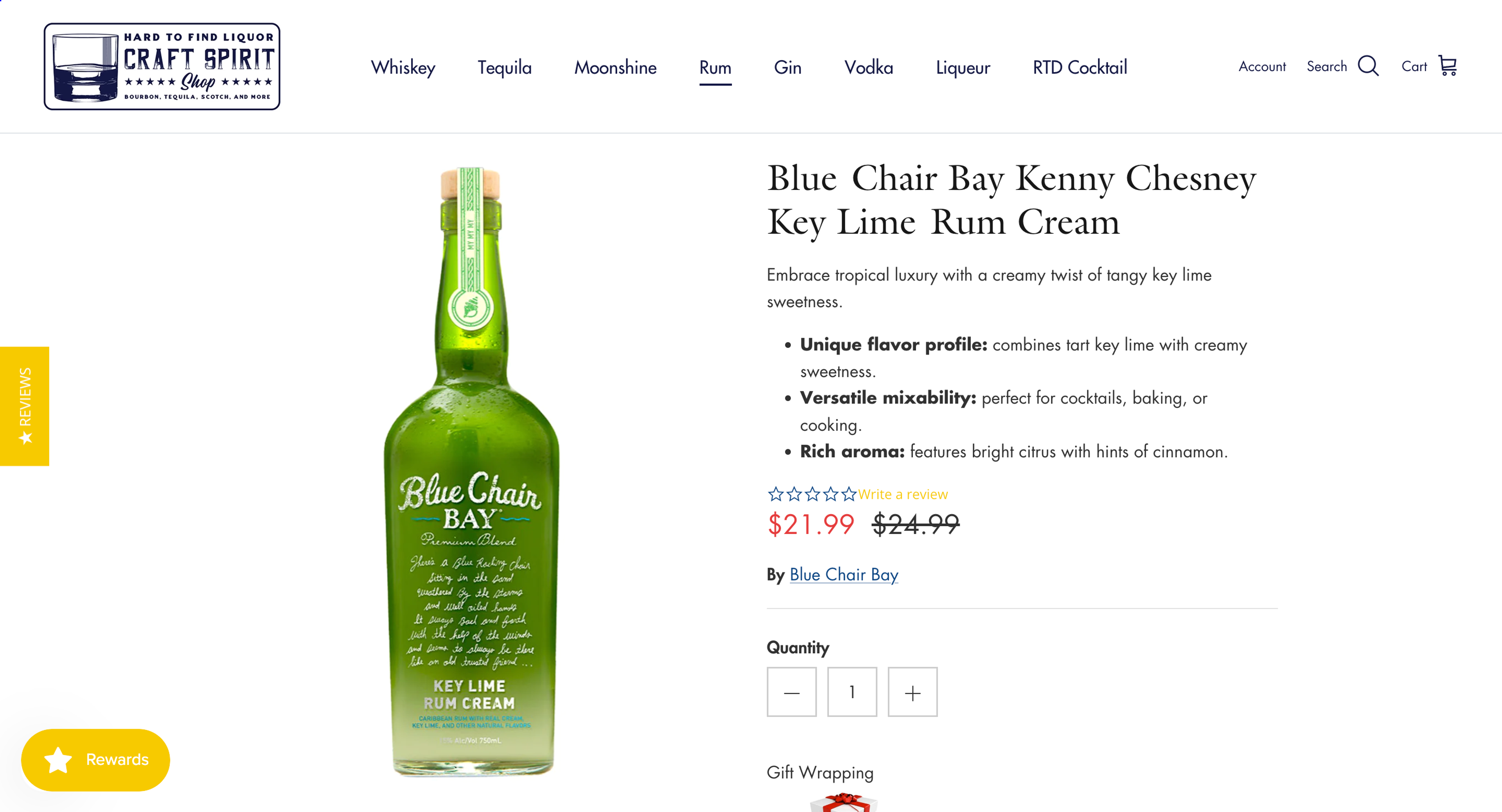
...they see a similar popup but now suggesting refreshing tropical rums perfect for a beachside getaway.
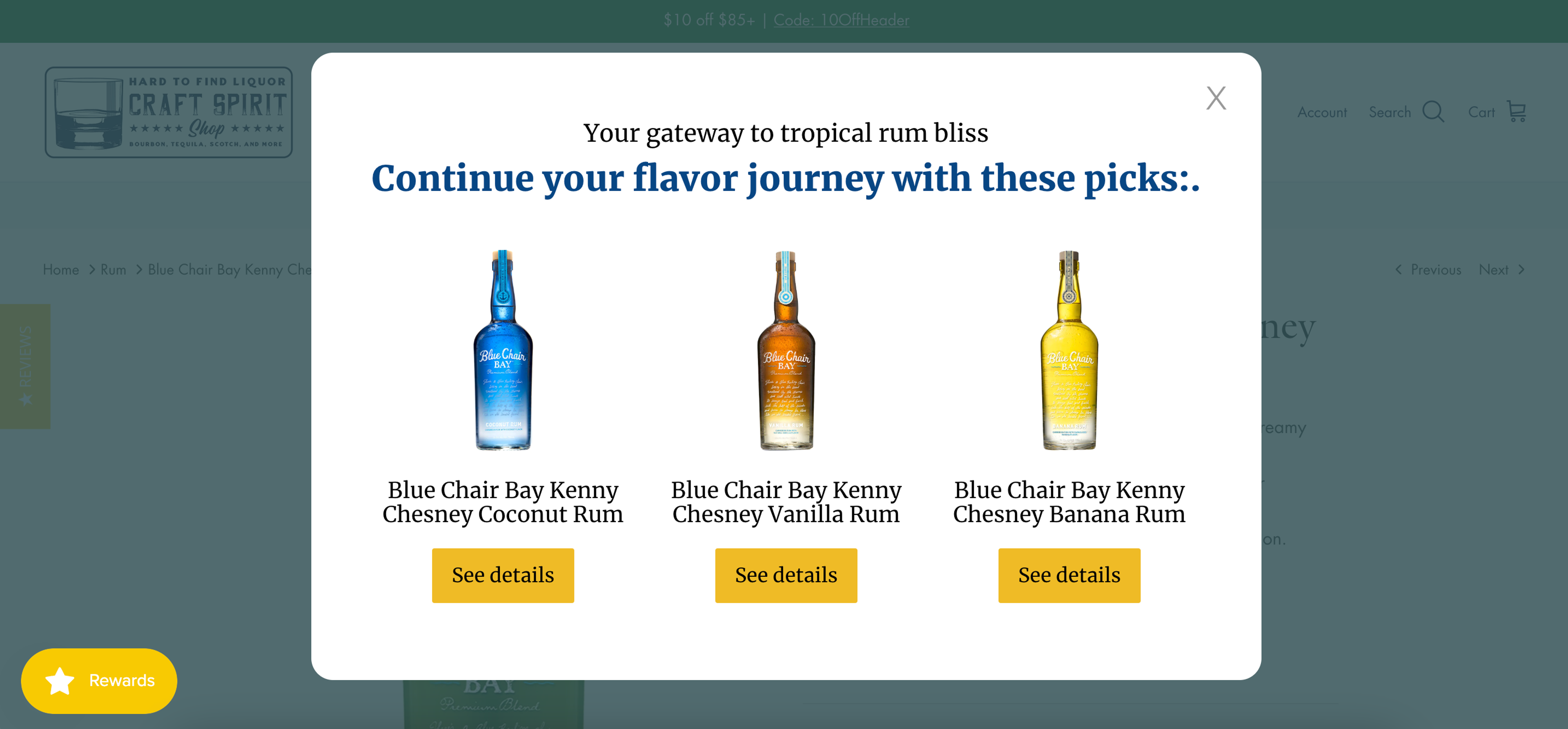
Those personalized product recommendations aren’t just a nice touch—they’re a game-changer for conversion rates. Craft Spirit Shop saw a 38.5% increase in purchases.
Learn more about how they did it here.
Augmented and virtual reality are set to redefine how people shop online.
AR lets customers visualize products — whether trying on sunglasses, testing furniture in their living room, or experimenting with new makeup — without leaving their homes.
By 2026, these experiences will integrate with AI to provide dynamic suggestions, making virtual try-ons smarter, faster, and even predictive.
Talking to devices isn't just for setting alarms or getting weather updates anymore. Now, you can shop with just your voice.
Voice commerce leverages AI-powered assistants like Amazon's Alexa, Google Assistant, and Apple's Siri to make shopping as simple as speaking out loud.
Whether it's reordering household staples, searching for a new book, or even browsing the latest fashion trends, all you have to do is ask.
This hands-free convenience is ideal for multitaskers and those on the go, offering a seamless, efficient way to shop without ever needing to pick up a device or sit at a computer.
As more households adopt smart speakers and as mobile devices continue to support sophisticated voice applications, the adoption of voice shopping is expected to soar.
Waiting is so yesterday. Instant and same-day delivery options are popping up everywhere, making online shopping nearly as immediate as buying from a store.
If you can offer quick delivery, you've got a clear edge in grabbing customer attention and closing sales faster.
But how can online retailers make this speedy delivery dream a reality? Here are a few ideas:
Shopping on social platforms is evolving beyond “see it, buy it.”
Live shopping events, influencer-curated collections, and AI-driven recommendations will make social commerce immersive and personalized.
Content and community will become central to the shopping journey, blurring the lines between engagement and conversion.
From meal kits to skincare, subscriptions are everywhere. The subscription service model offers convenience and often, a better price.
It’s a win-win: businesses get steady revenue, and customers get what they need on repeat without having to think about reordering.
Conversion rate optimization (CRO) is going fully automated. AI platforms now analyze user behavior in real time, conducting multivariate testing, optimizing UX, and delivering personalized offers.
Traditionally, optimizing conversion rates involved manual testing, tweaking, and analyzing—a time-consuming process that often yielded mixed results.
But with the help of AI, ecommerce businesses can save valuable time and effort while making smarter, data-driven decisions.
For example, Conversion Lift is a cutting-edge CRO platform designed to automate ecommerce product page optimization to maximize your website conversions. It’s built for marketers looking for new, data-driven ways to improve the efficiency of their marketing without having to hire a CRO team.
Consumers increasingly care about how products are made and delivered.
Ethical sourcing, transparent supply chains, recyclable packaging, and carbon-conscious shipping won’t just be “nice to have”—they’ll be expected.
Brands that align values with customer expectations will see stronger loyalty and engagement.
Love them or hate them, popups can be really effective—if they're done right.
More ecommerce sites are using smart, user-friendly popups that aren’t annoying. Think of well-timed discount offers or sign-up forms that are easy to close if you're not interested.
Get started with these popup ideas:
Some of the top ecommerce trends shaping the industry include the rise of AI-driven personalization, the growth of social commerce, the increasing importance of sustainability, the adoption of augmented reality (AR) for immersive shopping experiences, and the expansion of voice commerce.
Artificial intelligence (AI) is revolutionizing the ecommerce world by enabling personalized shopping experiences, predictive analytics for inventory management, chatbots for customer service, and visual search capabilities. AI-driven personalization is enhancing customer engagement and driving higher conversion rates.
To stay ahead in the competitive ecommerce industry, ecommerce brands should prioritize investing in technologies like AI, AR, and voice commerce to enhance the customer experience, leverage social media platforms for social commerce initiatives, incorporate sustainable business practices into their operations, and continuously adapt to evolving customer preferences and behaviors.
There you have it—nine new ecommerce trends that are making waves in 2026. Whether you're shopping or selling, staying ahead of these ecommerce trends can make all the difference.
Ready to dive in? Your ecommerce adventure is just beginning!


Discover creative Thanksgiving marketing ideas to engage customers, build buzz, and drive sales before Black Friday and Cyber Monday.

Learn 5 ways ecommerce brands can turn new subscribers into recurring revenue using welcome flows, personalization, loyalty programs, re-engagement, and referrals.
In this article, we’ve compiled a list of the 25 top ecommerce apps that will help you streamline your operations, boost sales, and grow your online business.