- Blog
- Soylent’s Marketing Breakdown: How a Tech-First Food Brand Disrupted the Meal Replacement Industry
Soylent’s Marketing Breakdown: How a Tech-First Food Brand Disrupted the Meal Replacement Industry

 Chatgpt
 Perplexity
Table of Contents
If you’ve ever had a granola bar count as lunch or skipped meals just to keep up with your day, Soylent gets you. What started in Silicon Valley as a side project for busy engineers is now a full-fledged brand built for people who value speed, nutrition, and simplicity in one bottle.
And it’s grown far beyond the early adopter crowd. Today, Soylent pulls in over $10 million a year in online revenue, contributing to parent company Starco Brands’ $70.8 million topline in 2023. With the ready-to-drink meal market on track to hit $4.83 billion by 2034, it’s playing for keeps.
So how did a startup known for feeding coders turn into a category leader in functional food?
Let’s break it down!
1. Scale your story, not just your product
Soylent didn’t come out of a CPG innovation lab. It was built by an engineer solving his own problem: food took too much time, so he streamlined it.
The result is a functional, minimalist product designed for efficiency, not indulgence.
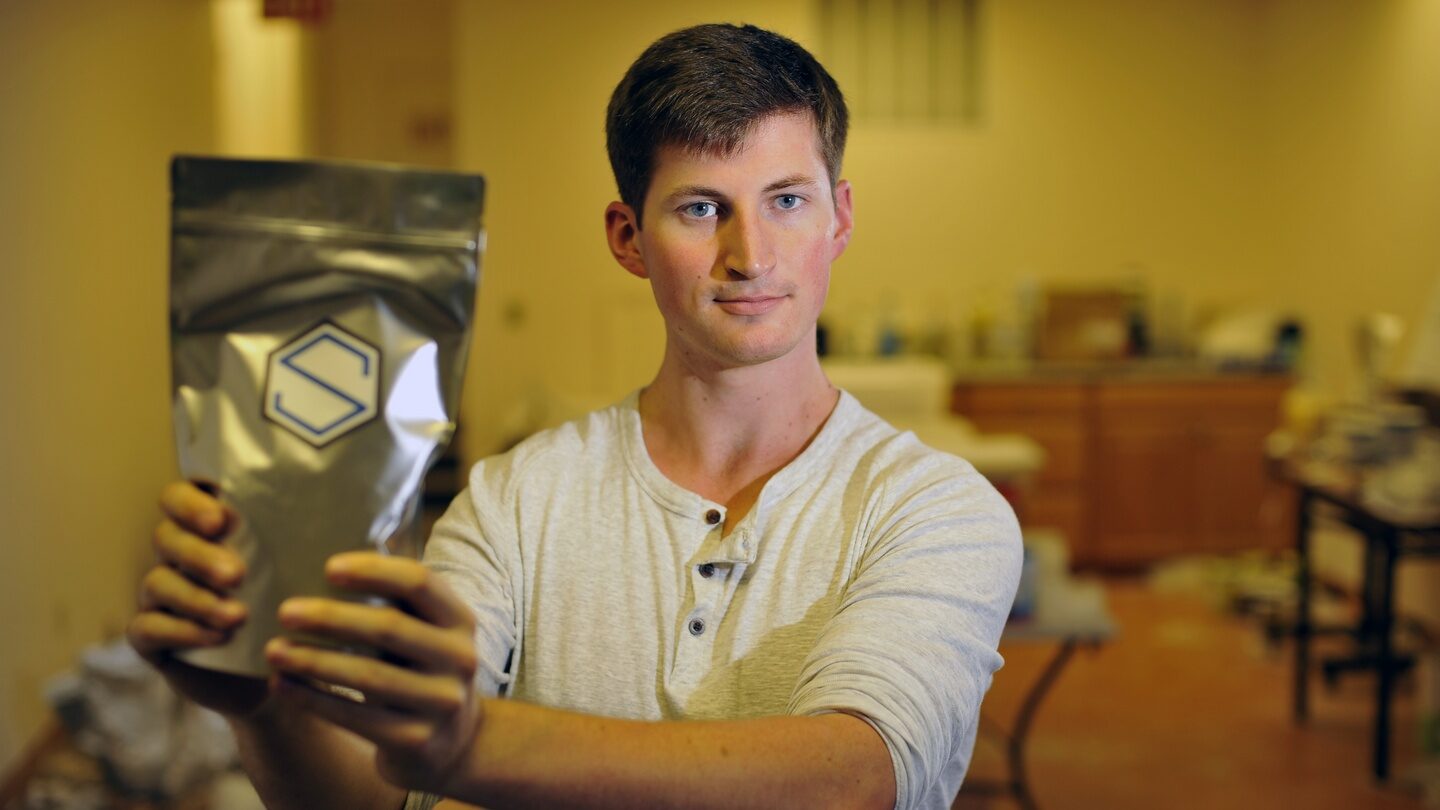
In the early days, the target was clear:
- coders,
- startup founders, and
- anyone who saw eating as a system to optimize.
But that audience was never going to scale.
What Soylent did smartly was hold the product steady while reframing its value: not as a total meal replacement for hackers, but as a flexible nutrition solution for anyone too busy to eat well.
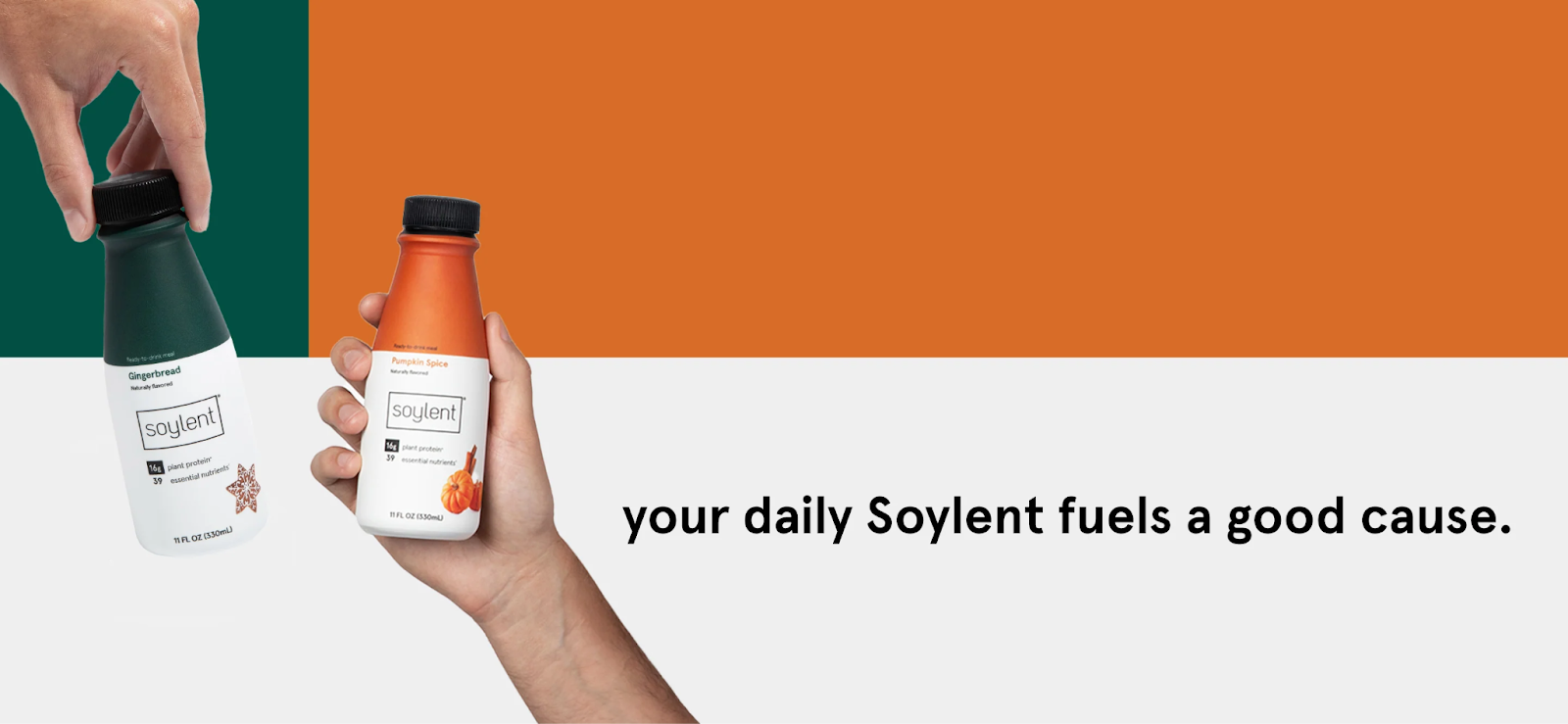
They didn’t chase fads. The formula stayed plant-based, soy-centered, and purpose-built. What changed was the messaging: less about hacking your biology, more about real-life utility, saving time, eating better, and spending less.
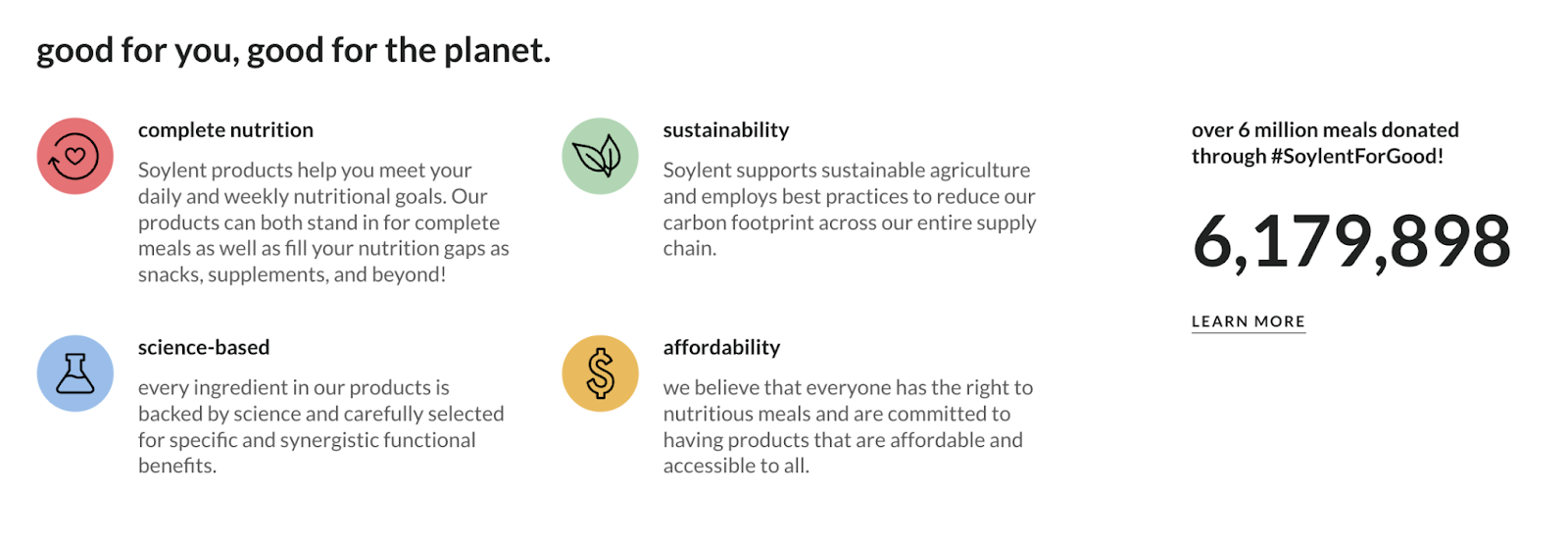
They positioned it not as a disruptive tech product, but as a practical alternative to fast food.
2. Make research your best marketing tool
Soylent built its credibility by treating consumers like adults. Instead of relying on lifestyle language or superficial health claims, the brand leaned on clinical research and clear explanations.
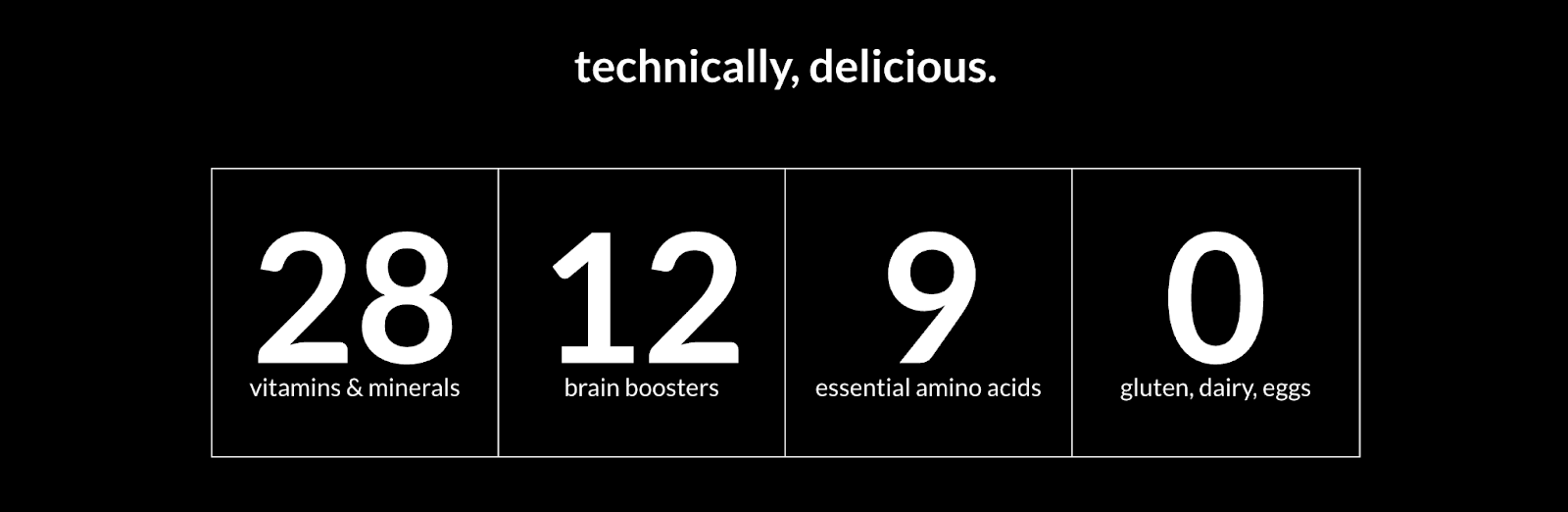
Every major ingredient in the formula was selected for a specific function, and Soylent made that reasoning public:
- Soy protein provided a complete amino acid profile and long-term scalability.
- Canola oil supported cardiovascular health and shelf stability.
- Sucralose allowed for a low-calorie formula without sacrificing taste.
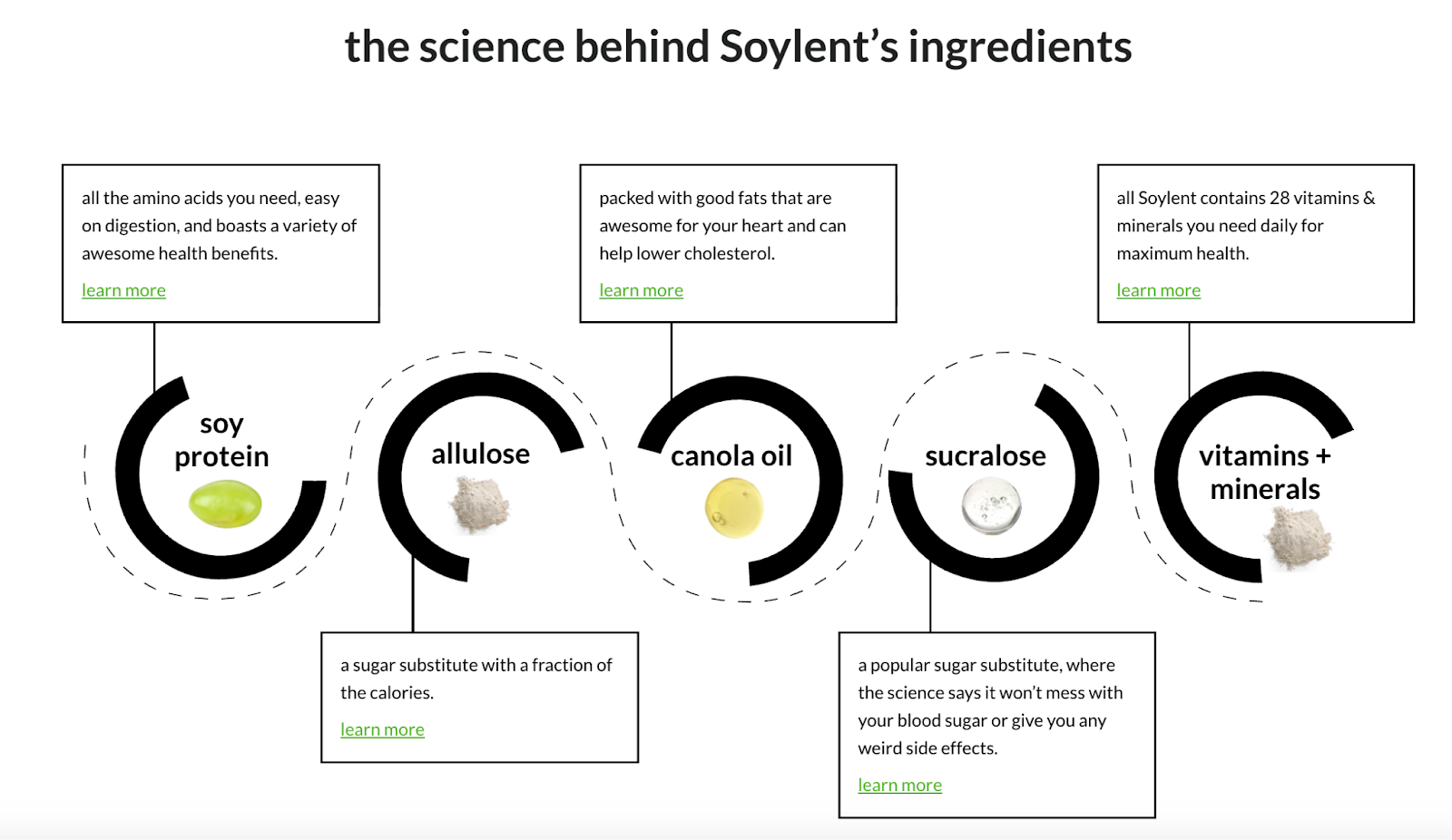
These weren’t trend-driven choices, they were calculated trade-offs based on nutritional science, cost, and production efficiency.
Importantly, Soylent didn’t tuck this information away. Ingredient rationales, sourcing, and relevant studies were made easily accessible on product pages and in supporting content.
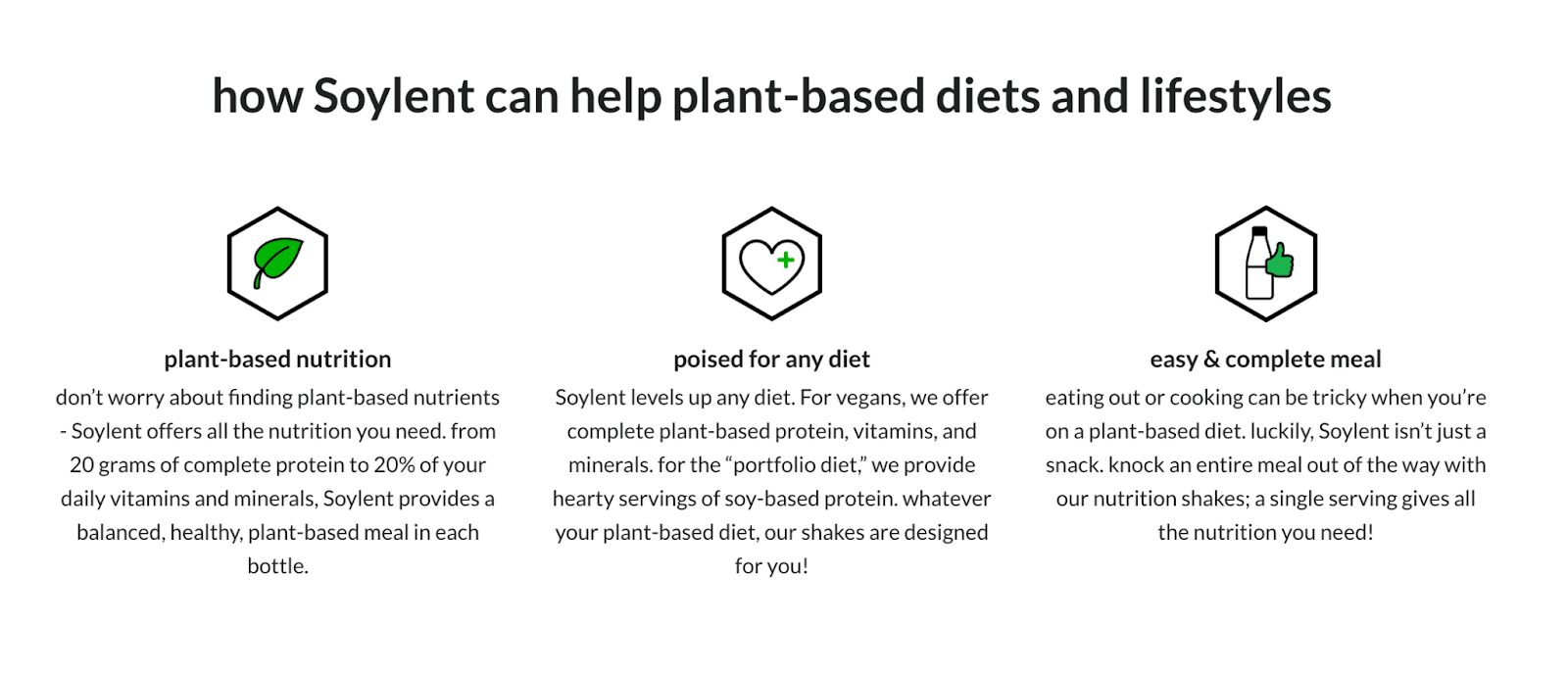
This upfront approach built confidence with health-conscious consumers and positioned Soylent as a brand with nothing to hide.
3. Lean into niche communities
Soylent’s social strategy follows one simple rule: meet users where they are.
The brand maintains a deliberate presence on Reddit, TikTok, Instagram, and LinkedIn, each platform serving a specific purpose and audience.
3.1. Reddit
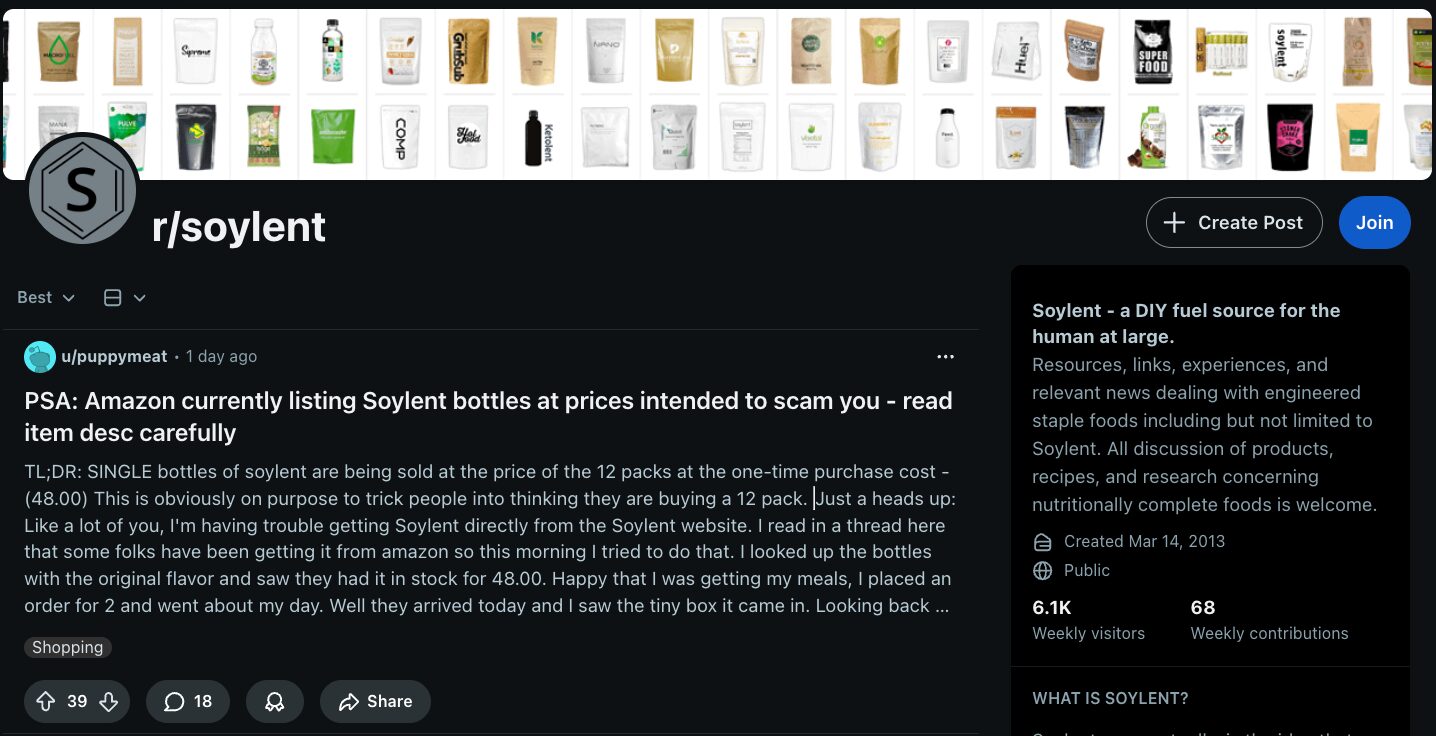
Soylent actively monitors and engages with the r/soylent community, a space filled with product feedback, usage tips, and long-time users. The tone is informal, transparent, and responsive.
Criticism isn’t ignored, it’s often addressed directly. This makes Reddit a vital listening tool and a source of organic product insights.
3.2. Instagram
With 46,5K followers and over 1,500 posts, Instagram serves as a visual hub. Posts range from product shots and recipe ideas to ambassador content and retail availability.
It also promotes initiatives like #SoylentForGood. The brand uses the platform to reinforce core messaging around nutrition, convenience, and accessibility.
3.3. TikTok
Launched in 2021, Soylent’s TikTok presence now includes 10.3K followers. The tone is lighter, with a mix of fan content, creator demos, and humorous takes.
It’s used to highlight availability at retailers like Target and Walmart, and to build cultural relevance through community-driven content.
@soylent_nutrition Soylent strikes again! Soylent was awarded the Product of the Year award in the meal replacement category AND was voted the best tasting against plant and whey based shakes. Try it for yourself and taste the difference. #soylenttastetest #soylent #worldsmostperfectfood #plantproteinshake ♬ original sound - Soylent
3.4. LinkedIn
On LinkedIn, Soylent positions itself as a food tech company with B2B credibility. Posts highlight team members, company milestones, media coverage, and scientific backing. This channel supports employer branding and helps validate the business in professional circles.
Across all platforms, the content strategy is anchored in user-generated content, micro-influencer partnerships, and reusable media assets.
With tools like Mention, Soylent identifies creators with strong brand affinity—often gamers, hikers, and wellness enthusiasts—and integrates their content into paid and organic campaigns.
Giveaways with aligned brands like Doughy and SkinnyDipped created spikes in visibility and engagement. The focus is always on authenticity and relevance rather than broad reach. Soylent’s social media approach doesn’t chase trends; it builds trust and consistency.
4. Match the message to the moment
Soylent’s paid strategy is about reaching the right people with the right message at the right time.
On Facebook and Instagram, they use soft-sell creatives, list benefits with emojis, and retarget cart abandoners with clean CTAs.
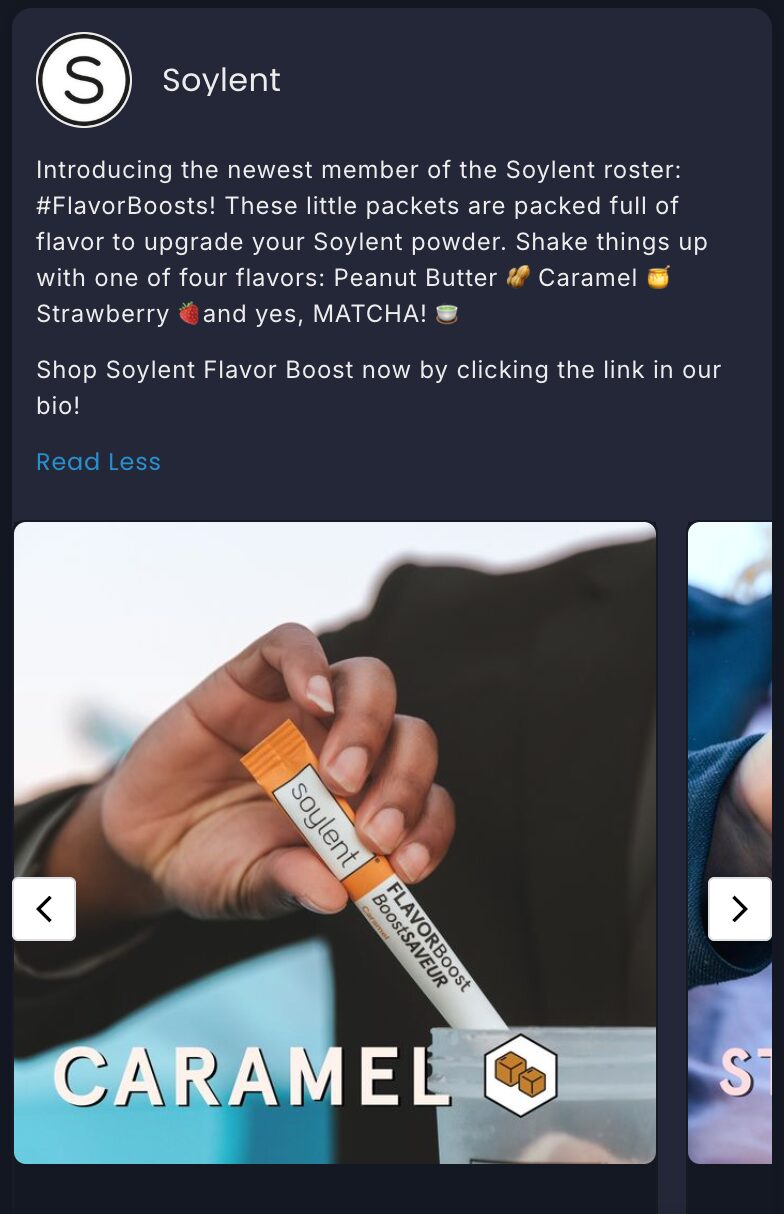
On Google, they bid smartly on both branded and category keywords, with negative keyword filters to avoid waste.
They also defend their turf on Amazon, running Sponsored Brand and Sponsored Product ads to keep visibility high.
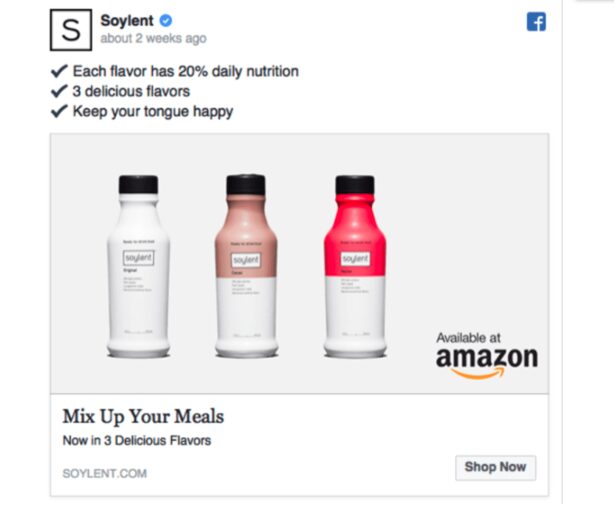
5. Make it easy to buy
Soylent’s website is built for performance. The user journey is clear: land, learn, convert. The design is minimal, fast, and informative, reflecting the brand’s core values of utility and simplicity—they don’t waste customers’ time.
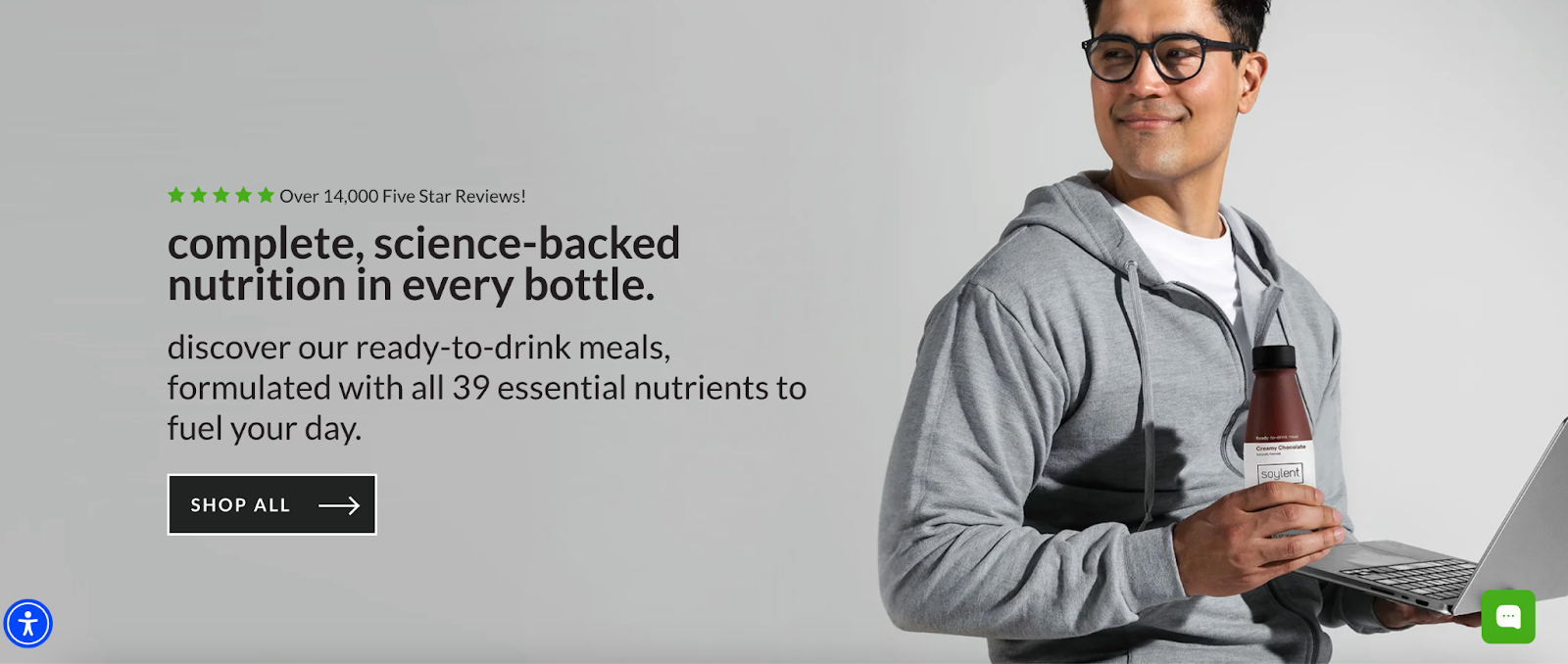
On the homepage, visitors are met with clear trust signals: over 14,000 five-star reviews, science-backed messaging, and instant visibility into where products can be purchased in-store.
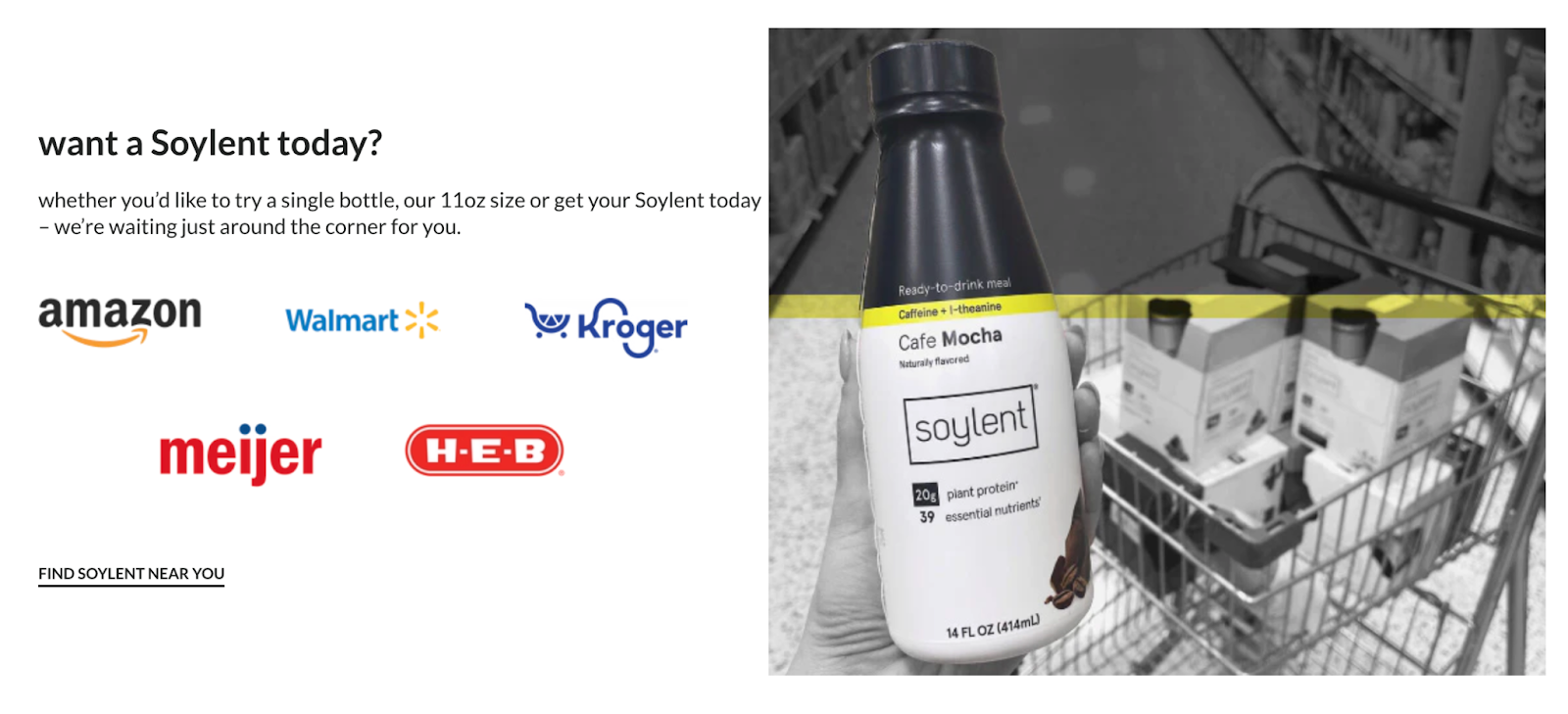
One of Soylent’s most effective UX and content strategies lives in plain sight: the “Health Benefits” menu.
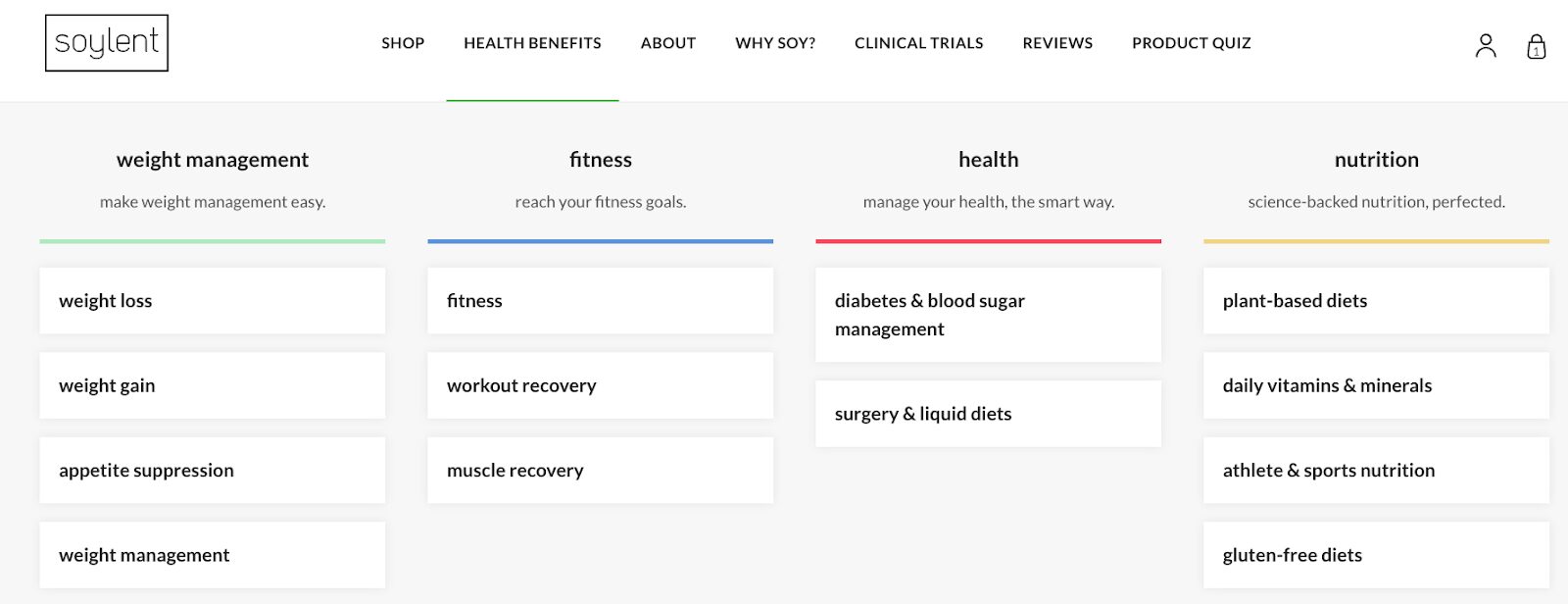
Instead of forcing users to sort through product types, Soylent reframes the journey around real-world goals: weight management, fitness, health, and nutrition.
Each sub-category opens into a landing page that reads more like a focused microsite, complete with benefits breakdowns, ingredient science, and clear, conversion-oriented messaging.
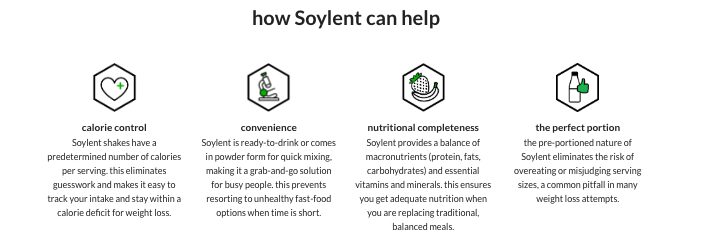
This is smart segmentation. A visitor struggling with weight loss won’t land on a product page that may or may not be relevant for them; instead, they’re taken to a dedicated space where Soylent speaks directly to what they care about.
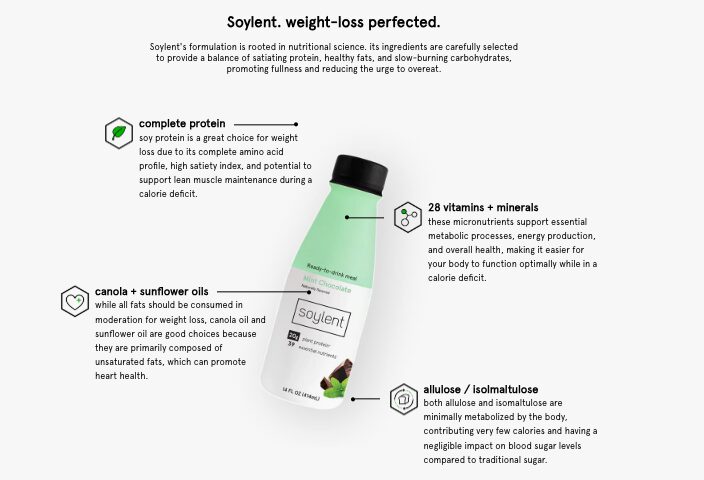
The page explains calorie control, satiety, and muscle preservation, supported by visuals and clinical insights. And yes, the product recommendations are waiting just a scroll away.
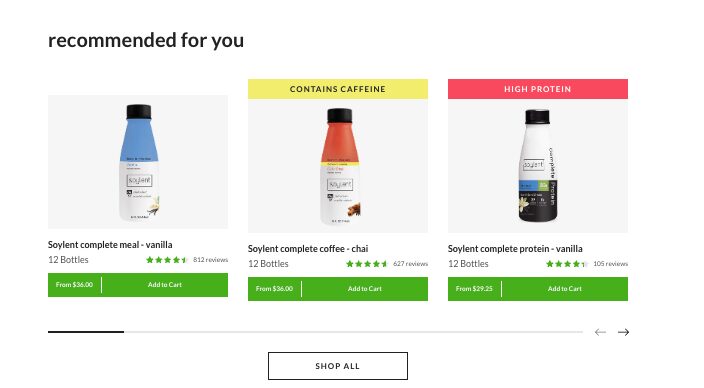
Soylent’s product pages are built to answer questions, not to impress. The layout is simple, the hierarchy is clear, and the page immediately communicates what the product does and why it exists.
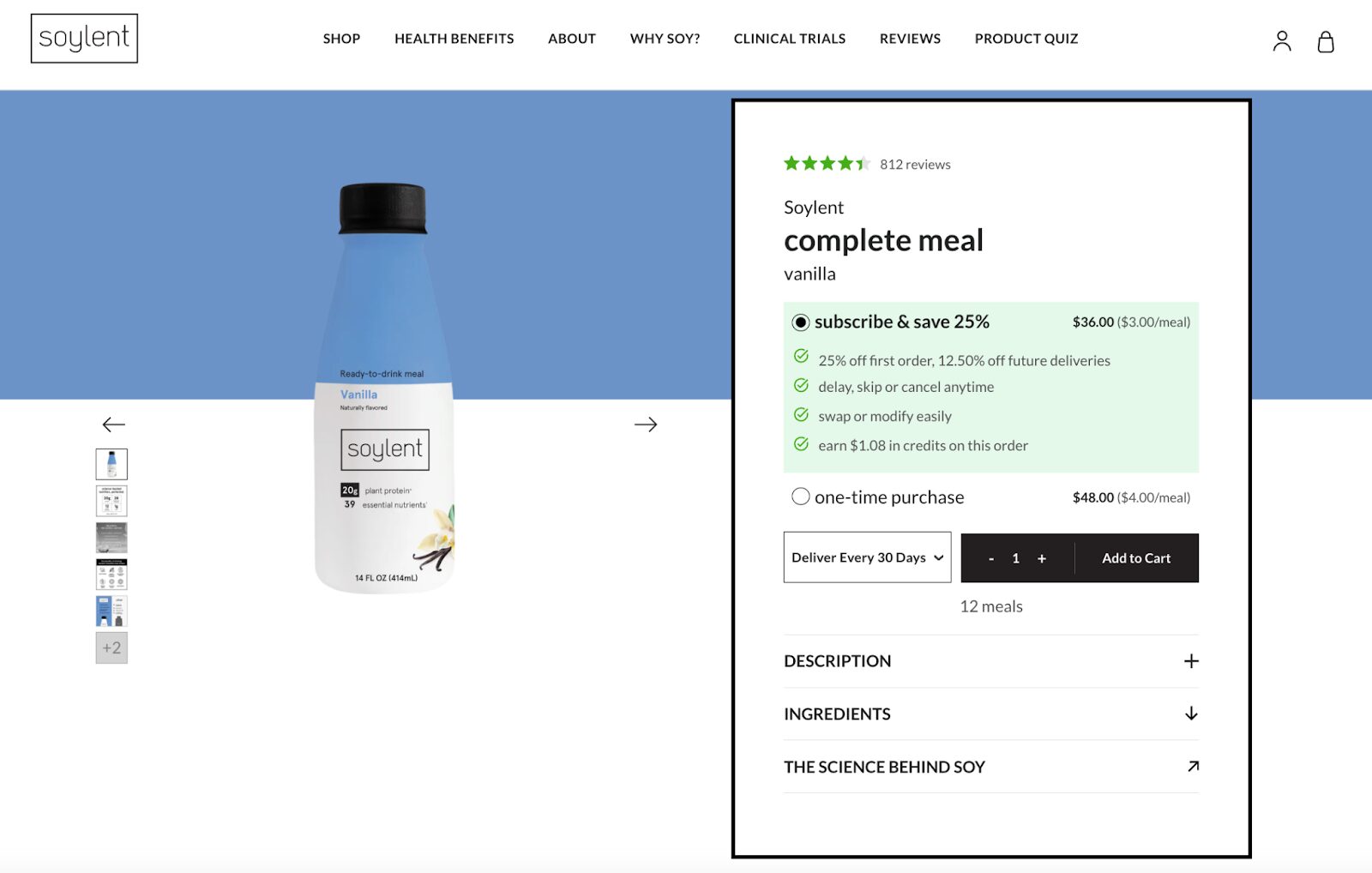
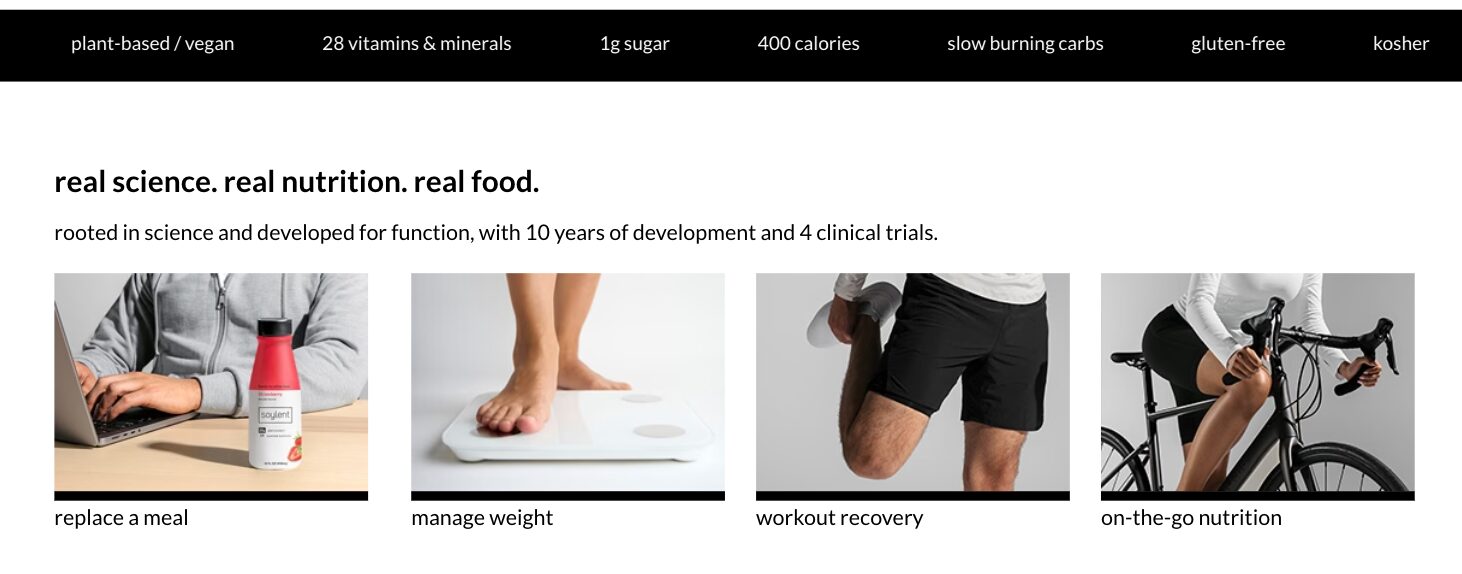
Key nutritional facts scroll right under the hero section: 20g protein, 28 vitamins and minerals, 1g sugar, 400 calories. It’s eye-catching and effective.
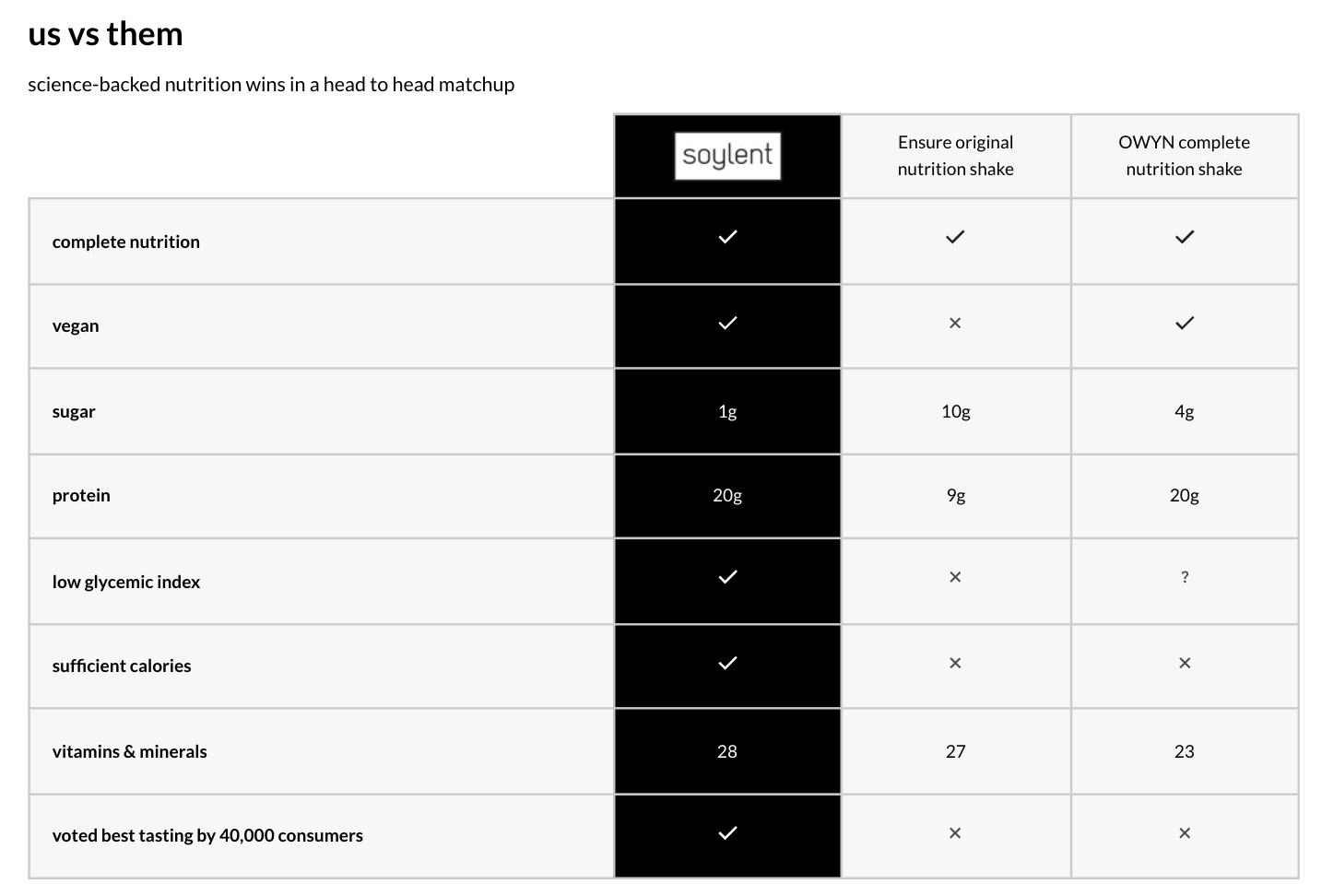
At the bottom, a comparison table places Soylent next to products like Ensure and OWYN. It doesn’t oversell. It shows differences in protein, sugar, and nutritional completeness and lets the reader draw conclusions.
Conversion elements are integrated quietly. The subscription option is clearly the default, with visible savings and flexible controls. There is no pressure language, just a rational incentive: lower price, adjustable delivery, easy cancellation.
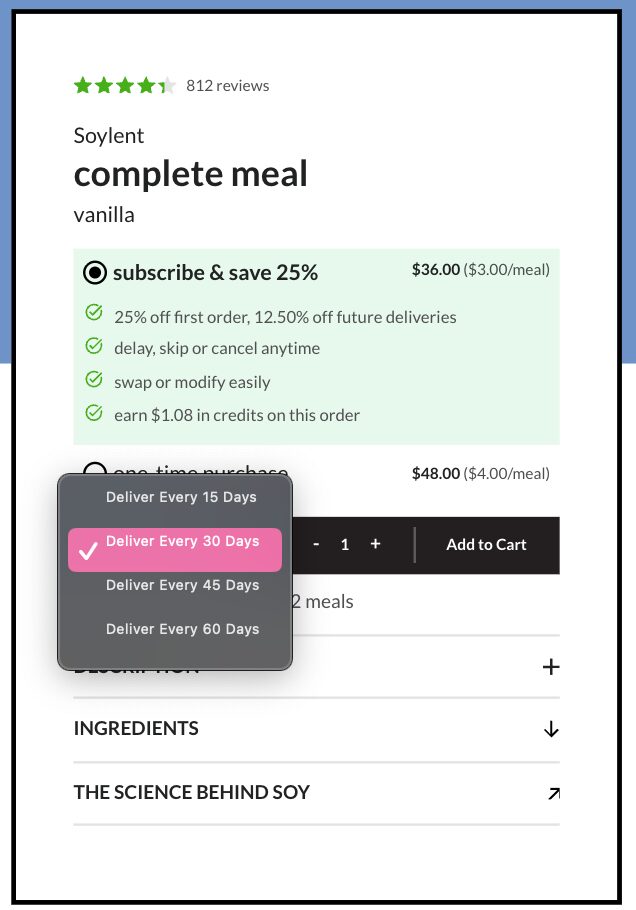
Delivery settings are straightforward. Quantity and frequency can be changed without friction, removing a common DTC objection before it appears.
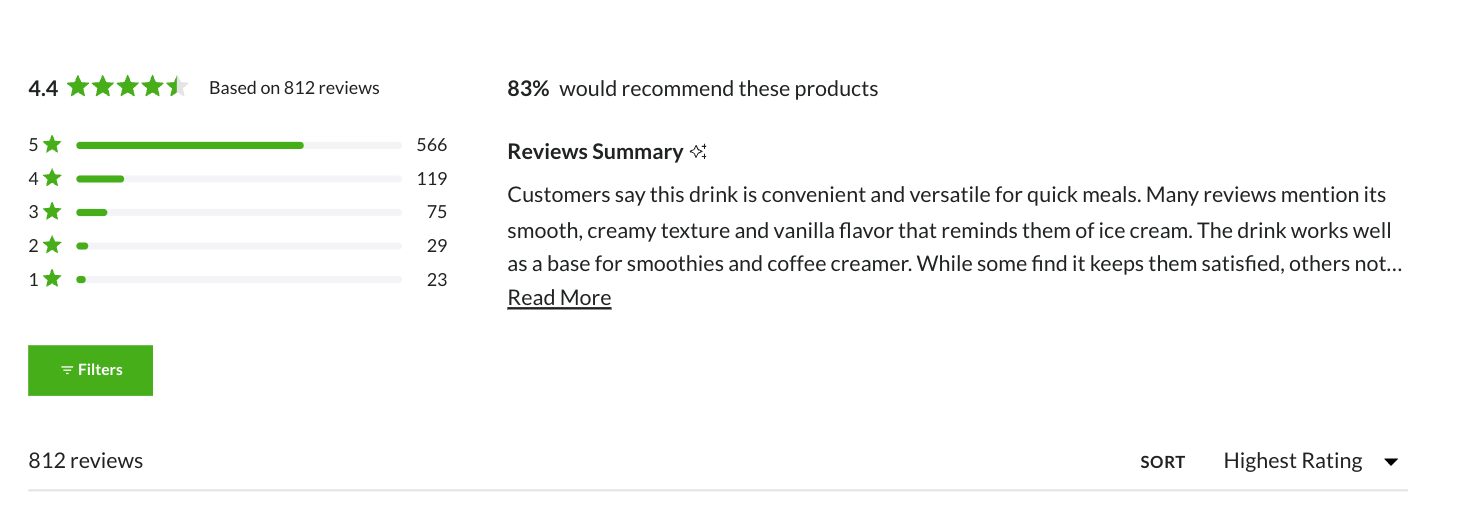
Social proof is shown early, with hundreds of verified reviews placed near the product title. Scientific references, including clinical research and American Heart Association mentions, sit alongside product claims and turn them into verifiable statements.
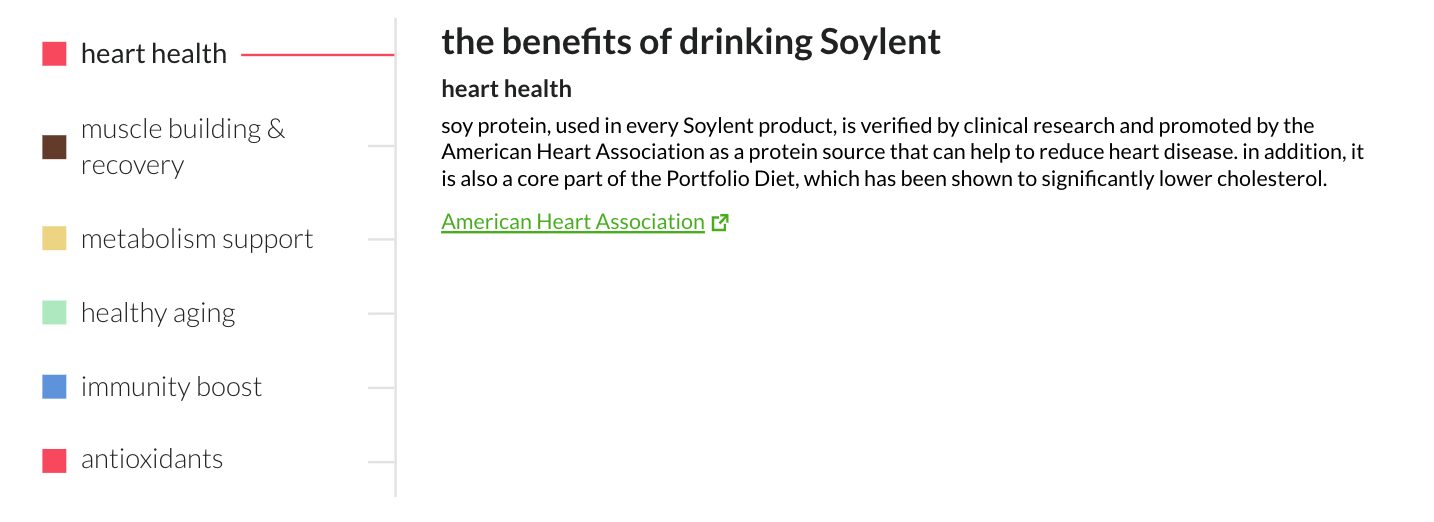
The page doesn’t try to convince users emotionally. It reduces uncertainty step by step. By the time a visitor reaches the purchase decision, most objections have already been addressed.
6. Use targeted discounts to reward real users
Soylent offers more than just promotions: it runs ongoing discount programs for groups who are likely to benefit most from the product.
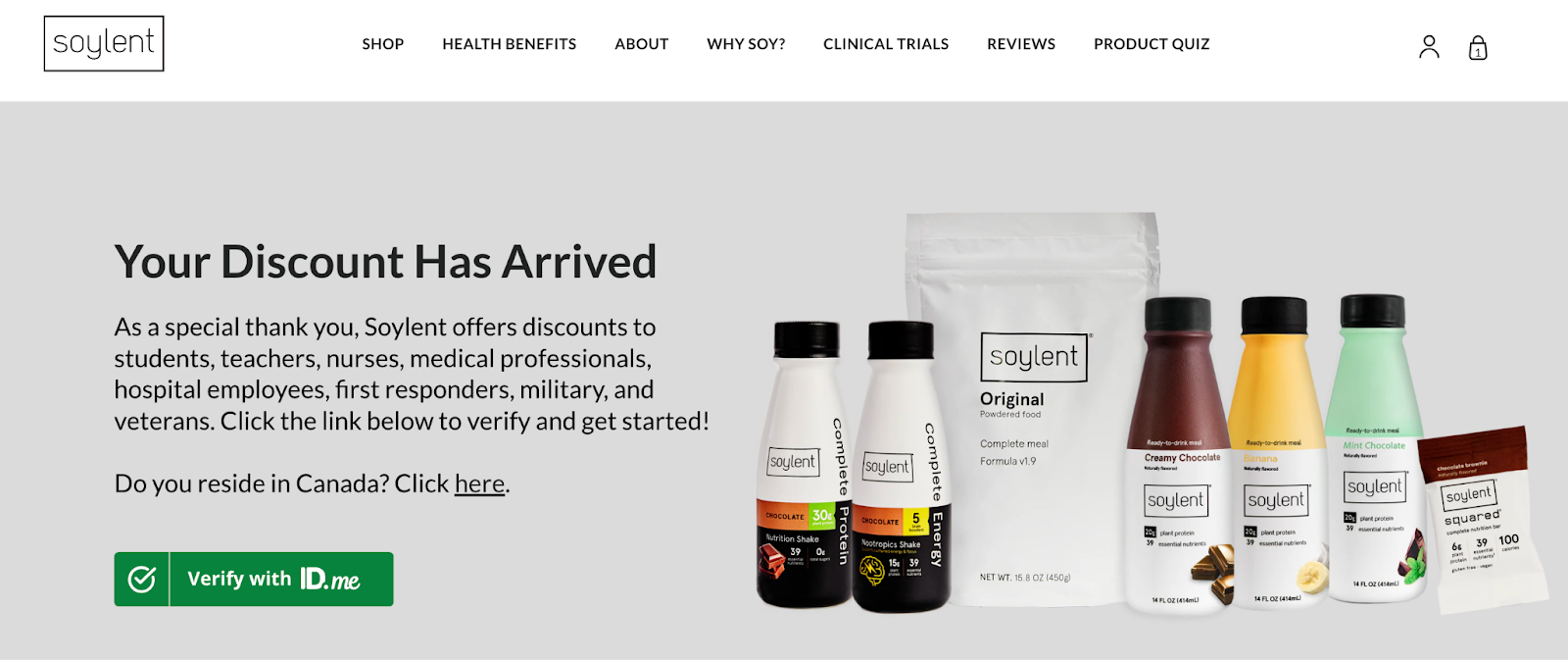
Students, teachers, healthcare workers, first responders, military personnel, and veterans can verify their status and get access to lower pricing on eligible orders. It’s a simple move that goes beyond marketing—these are people with demanding schedules who need reliable nutrition.
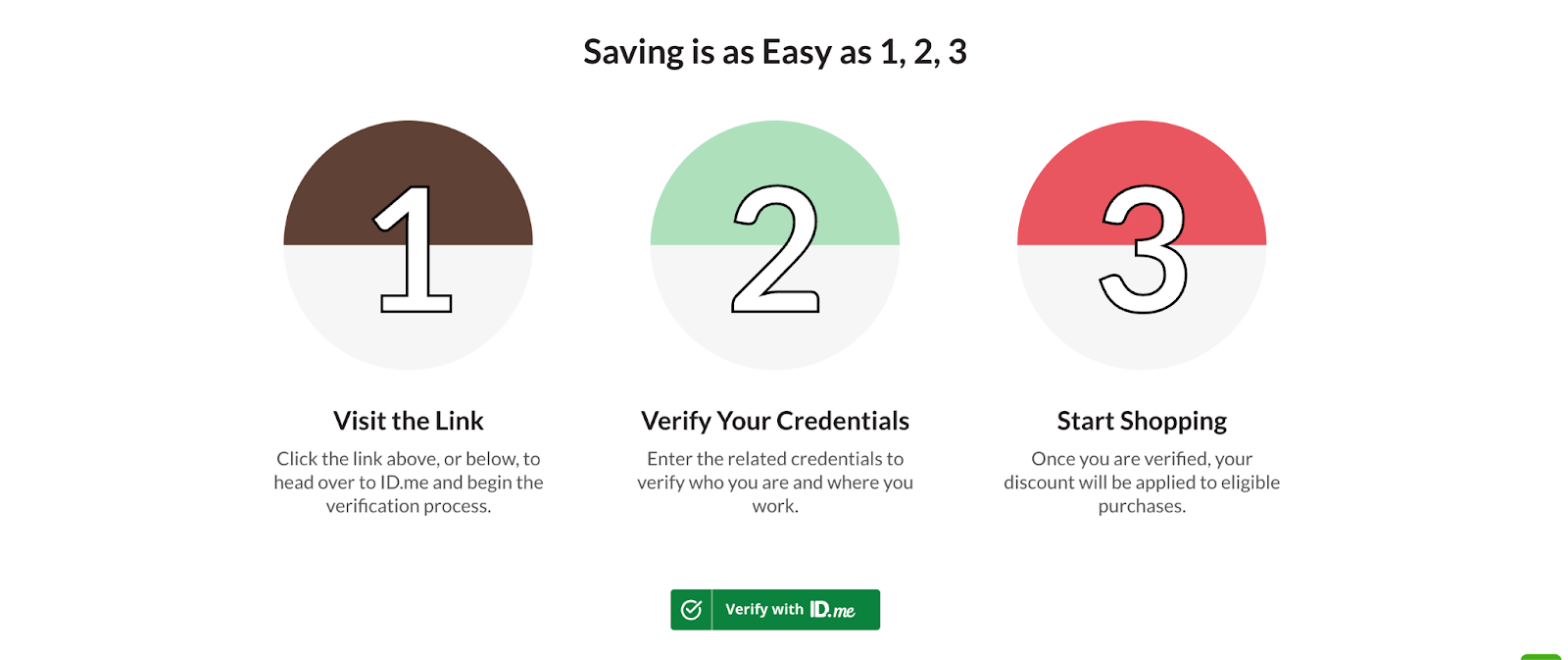
By offering tailored discounts, Soylent builds trust with communities who actually use the product day-to-day and makes it easier for them to keep coming back.
7. Build SEO on clarity, not clutter
Soylent’s organic traffic is driven by a clear, science-focused content structure and consistent use of language that aligns with user intent.
Branded search terms bring in the majority of visitors, but the brand is increasingly showing up for broader category terms like “meal replacement powder” and “plant-based nutrition.”
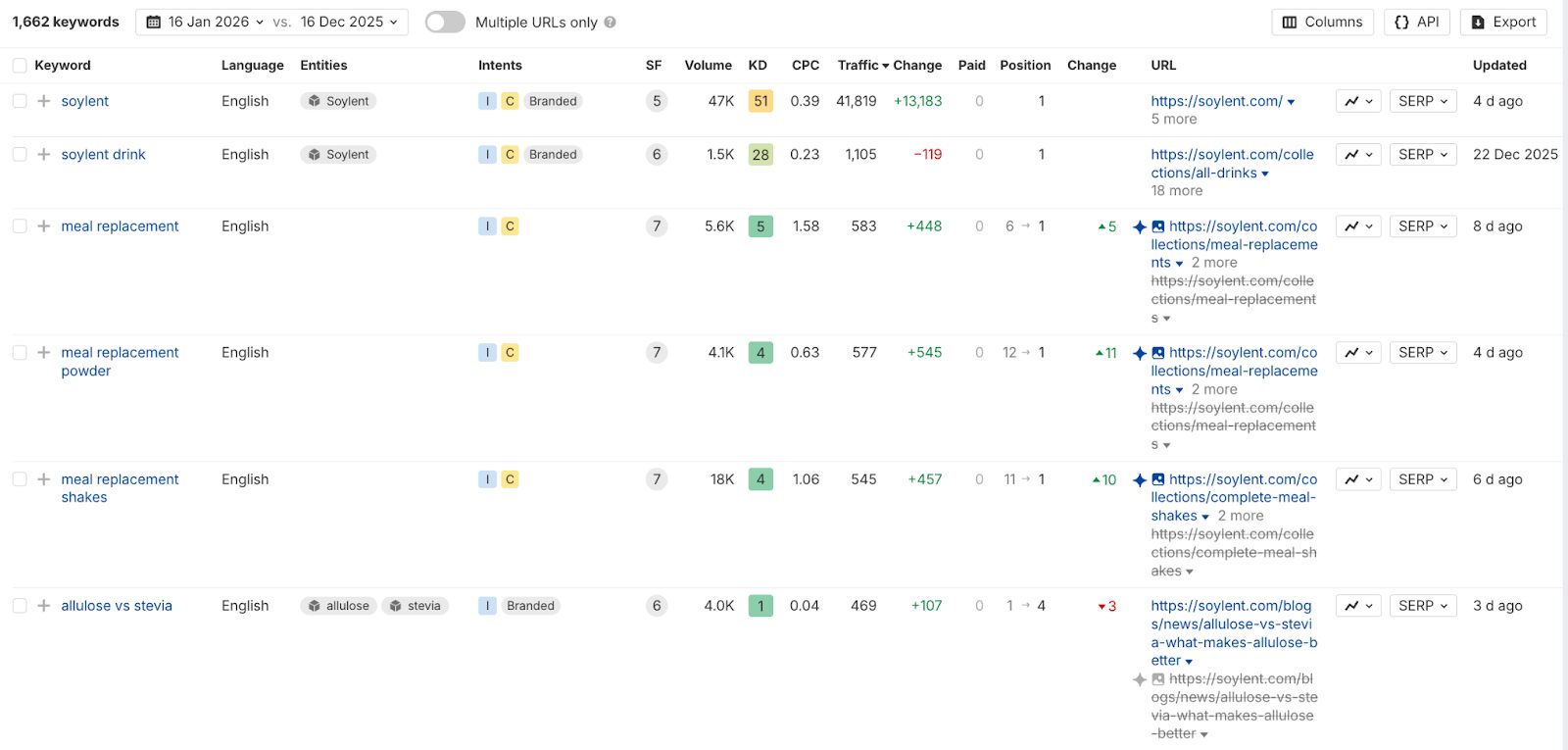
An important part of this is the brand’s blog, which balances product education with practical insights. Topics include how Soylent supports fitness goals, scientific breakdowns of its ingredients, and broader discussions on sustainable nutrition.
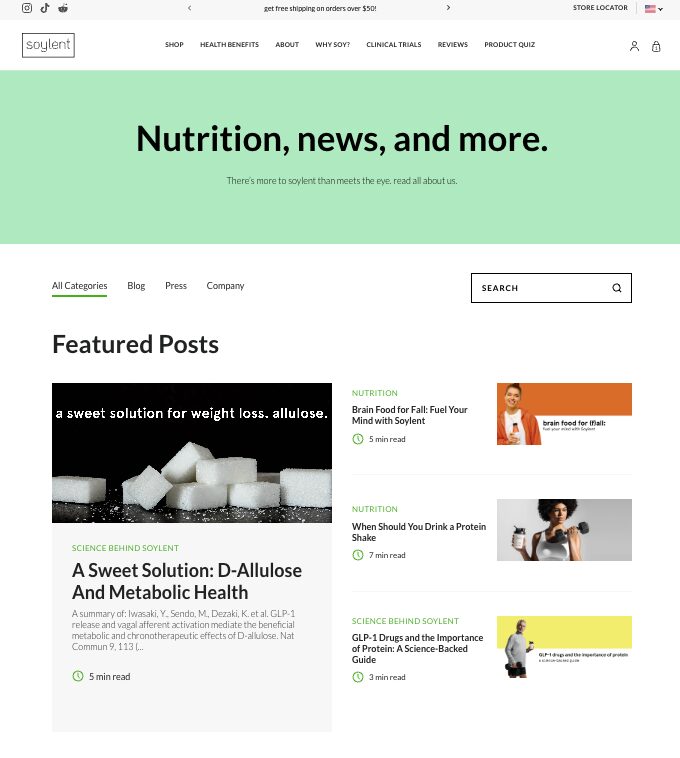
These articles are keyword-targeted, visually clean, and internally linked to key products and category pages. The tone is educational but approachable—it’s less about SEO filler and more about giving readers useful, skimmable answers.
8. Use email to deepen the relationship
Soylent uses Klaviyo to run automated and campaign-based emails that drive retention and product discovery. Flows are segmented by purchase behavior and survey responses, powered by tools like Okendo.
Emails are concise, visually clear, and often use short subject lines with emojis to increase open rates.
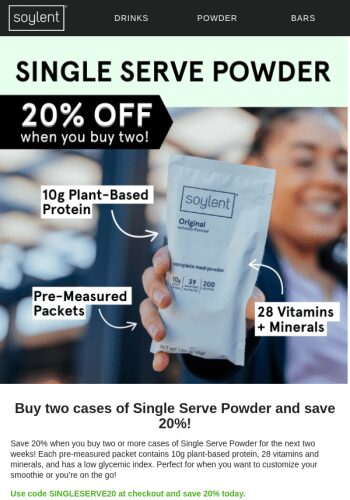
Some messages highlight new product use cases—like offering Complete Energy to repeat buyers of Cafe—while others simply check in or say thank you.
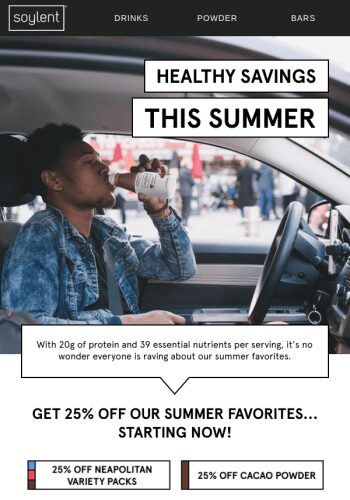
The goal isn’t just to sell, it’s to keep Soylent top of mind with relevant nudges that respect user intent. That balance shows in performance, with low spam scores and strong ROI from cross-sell automation.
Takeaway
Soylent’s marketing playbook is a case study in consistency over flash. It doesn’t chase hype or hinge its strategy on lifestyle promises—it builds trust one rational touchpoint at a time.
From educational product pages to personalized email flows, every element of the funnel reinforces the same message: this product is practical, science-backed, and designed for real life.
Each channel—SEO, social, paid, email—works together with the others to move users from awareness to conversion without friction. The tone is clear, the value prop consistent, and the positioning tight.
For marketers, the lesson is simple: when your product genuinely solves a problem, your job isn’t to entertain. It’s to inform: thoughtfully, repeatedly, and where your audience is already paying attention.
Learn more
Looking for more marketing breakdowns? Check out these articles:
- How Olipop’s Marketing Strategy Turned a Niche Product into a $280 Million Success
- PacSun Marketing Breakdown: From Mall-Brand Meltdown to Gen Z Fashion Powerhouse
- Mastering Gen Z Marketing: The Starface Strategy Behind the Pimple Patch Phenomenon
- Coach Brand Marketing: Winning Strategies for Luxury, Digital Growth, and Consumer Engagement
- Nugget Comfort Marketing Strategy: How They Grew Without Ads or Discounts
- Beyond Yoga Marketing Breakdown: How a $130M Brand Is Quietly Disrupting Athleisure
Migration has never been easier
We made switching a no-brainer with our free, white-glove onboarding service so you can get started in the blink of an eye.
What should you do next?
Thanks for reading till the end. Here are 4 ways we can help you grow your business:
Boost conversions with proven use cases
Explore our Use Case Library, filled with actionable personalization examples and step-by-step guides to unlock your website's full potential. Check out Use Case Library
Create a free OptiMonk account
Create a free OptiMonk account and easily get started with popups and conversion rate optimization. Get OptiMonk free
Get advice from a CRO expert
Schedule a personalized discovery call with one of our experts to explore how OptiMonk can help you grow your business. Book a demo
Join our weekly newsletter
Real CRO insights & marketing tips. No fluff. Straight to your inbox. Subscribe now
Share this article
Written by

You may also like
- Posted in
- Marketing Breakdowns
Partner with us
Ask AI for a summary of OptiMonk


- © OptiMonk. All rights reserved!
- Terms of Use
- Privacy Policy
- Cookie Policy