


Black Friday Marketing Strategy: 30 Ideas for 2026
In this article, we'll share 30 actionable Black Friday marketing ideas for ecommerce businesses to make 2026 your most successful yet.
In this article, we’ll discuss what coupon marketing is and share 6 tips on offering online coupons without killing your profits.
In short
Boost your coupon marketing strategy in 2026 with these expert tips to enhance customer acquisition and retention without sacrificing profits. Learn how to effectively use digital coupons by targeting good customers, avoiding predictable patterns, and leveraging personalized popups and landing pages. Optimize your approach for increased sales and brand loyalty while minimizing potential downsides like reduced profitability and brand image
In this article, we'll discuss what coupon marketing is and share 6 tips on offering online coupons without killing your profits. Use these tips when you implement a coupon strategy on your site to make sure you get the results you want.
Let's jump in!
Coupon marketing is a strategic approach businesses use to attract customers, encourage purchases, and foster brand loyalty through the distribution and redemption of coupons.
Coupons are vouchers or codes that offer discounts, special offers, or incentives to consumers, typically redeemable either online or in-store.
This marketing strategy has been widely utilized across various industries for decades and continues to evolve in the digital age.
Historically, coupons were primarily distributed through newspapers, magazines, direct mail, and in-store promotions. However, with the rise of digital technology, coupon marketing has undergone significant transformation.
Today, coupons are commonly distributed through email newsletters, social media platforms, mobile apps, and dedicated coupon websites.
Before delving deeper into some best practices, it's crucial to understand the key components that make up its strategic framework.
Coupons typically offer a discount on a product or service, such as a percentage off the total purchase price, a specific monetary discount, or a "buy one, get one free" offer.
Coupons often come with expiration dates to create a sense of urgency and prompt consumers to act quickly.
Coupons can be redeemed through various channels, including online checkout processes, in-store purchases, or by entering a promo code on an ecommerce website.
An effective coupon marketing strategy involves targeting the right audience with personalized offers tailored to their preferences and purchase history.
Digital coupons enable you to track redemption rates, monitor consumer behavior, and analyze the effectiveness of your coupon campaign.
Now that we've explored the fundamentals of coupon marketing, let's take a look at the benefits it offers:
Coupon marketing isn’t all sunshine and rainbows. It comes with its own set of challenges and potential drawbacks.
Understanding these downsides is essential for crafting a balanced and effective coupon marketing strategy for your brand.
Let’s explore some of the potential dangers associated with coupon marketing:
Perhaps the most obvious downside of coupon marketing is the potential impact on profitability.
Offering discounts typically results in smaller profit margins per sale.
This begs the question: Should you focus on maximizing overall revenue by increasing sales through discounting, or should you prioritize maintaining higher profit margins per sale?
It's a nuanced decision that requires careful consideration.
Coupon marketing can inadvertently lead to classical conditioning among consumers.
If discount codes are offered too frequently, customers may come to expect and rely on discounts before making a purchase.
This continuous cycle of discounts can diminish the sense of urgency in responding to limited-time offers, as customers anticipate that another discount will be available soon.
Over time, this can erode trust and credibility, potentially damaging your brand image.
Discount coupons have the potential to impact the perceived value and quality of your products or services.
While discount codes can attract price-sensitive customers and enhance perceived value, they may also diminish the perceived quality of your offerings.
Luxury brands, for example, often avoid discounting altogether to preserve their premium image and maintain the perception of exclusivity.
Overuse of discounts can dilute brand equity and undermine your positioning in the market.
The principle of price elasticity suggests that as prices decrease, demand tends to increase.
While offering promo codes can stimulate sales up to a certain point, there's a threshold beyond which further discounts yield diminishing returns.
Over-discounting can lead to a plateau in demand, where additional discounts fail to generate significant increases in sales.
This phenomenon underscores the importance of strategic pricing decisions to avoid devaluing your products or services through excessive discounting.
Now let's check out six tips on creating a coupon marketing strategy that drives sales without compromising profitability.
There are different types of customers. There are loyal customers, impulse buyers, researchers, bargain hunters… And we could go on.
You can google it if you want to learn more about different types of customers. You’ll see that there’s no basic rule for this. Some people classify 5 types of customers and some identify up to 10 different types.
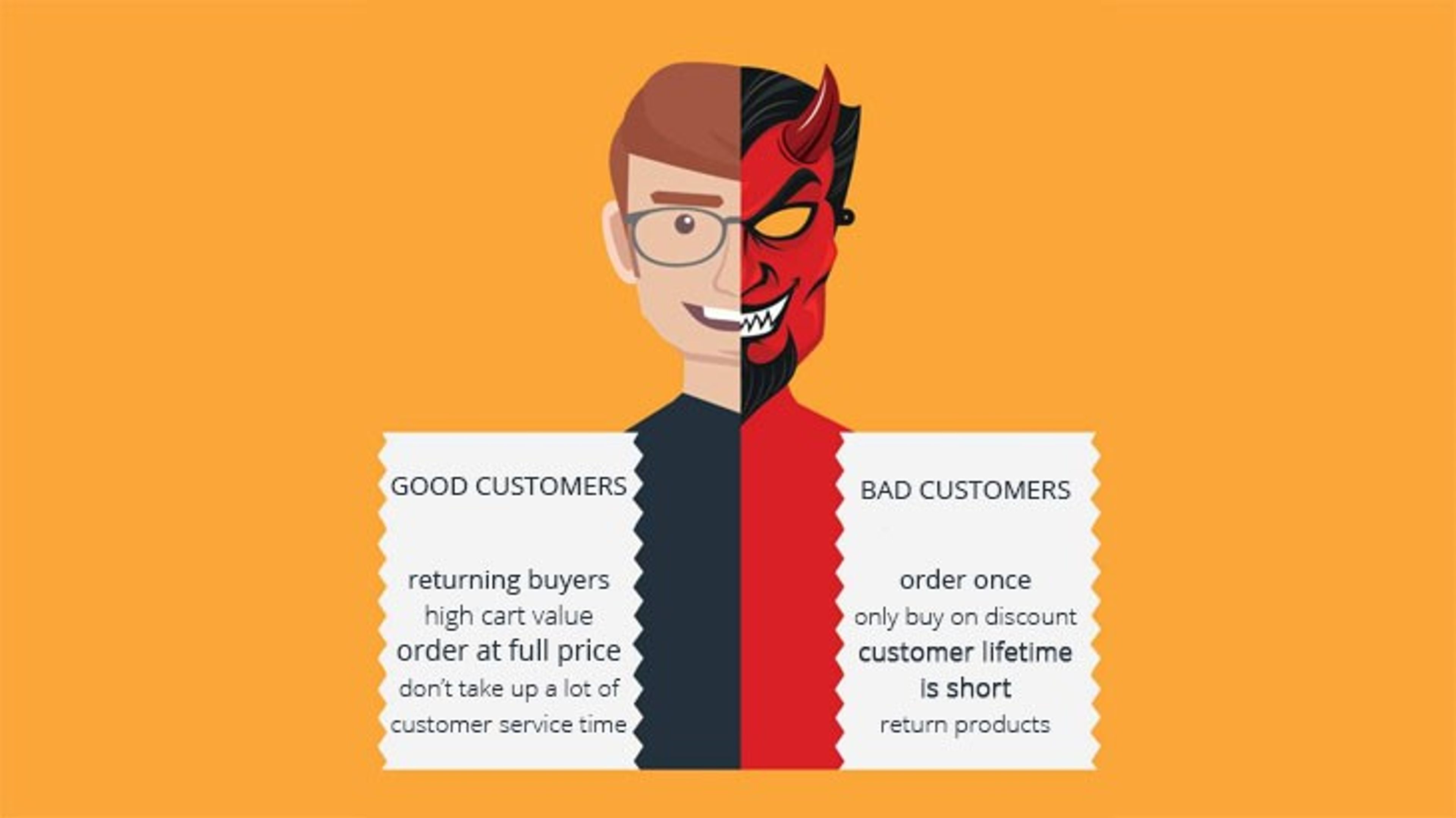
To keep things simple, I’ll divide them into two groups: good customers and bad customers.
You want to attract good customers who:
You don’t have to use discounts to encourage good customers to buy. But you can offer additional services or complementary products to these shoppers in order to increase their cart value.
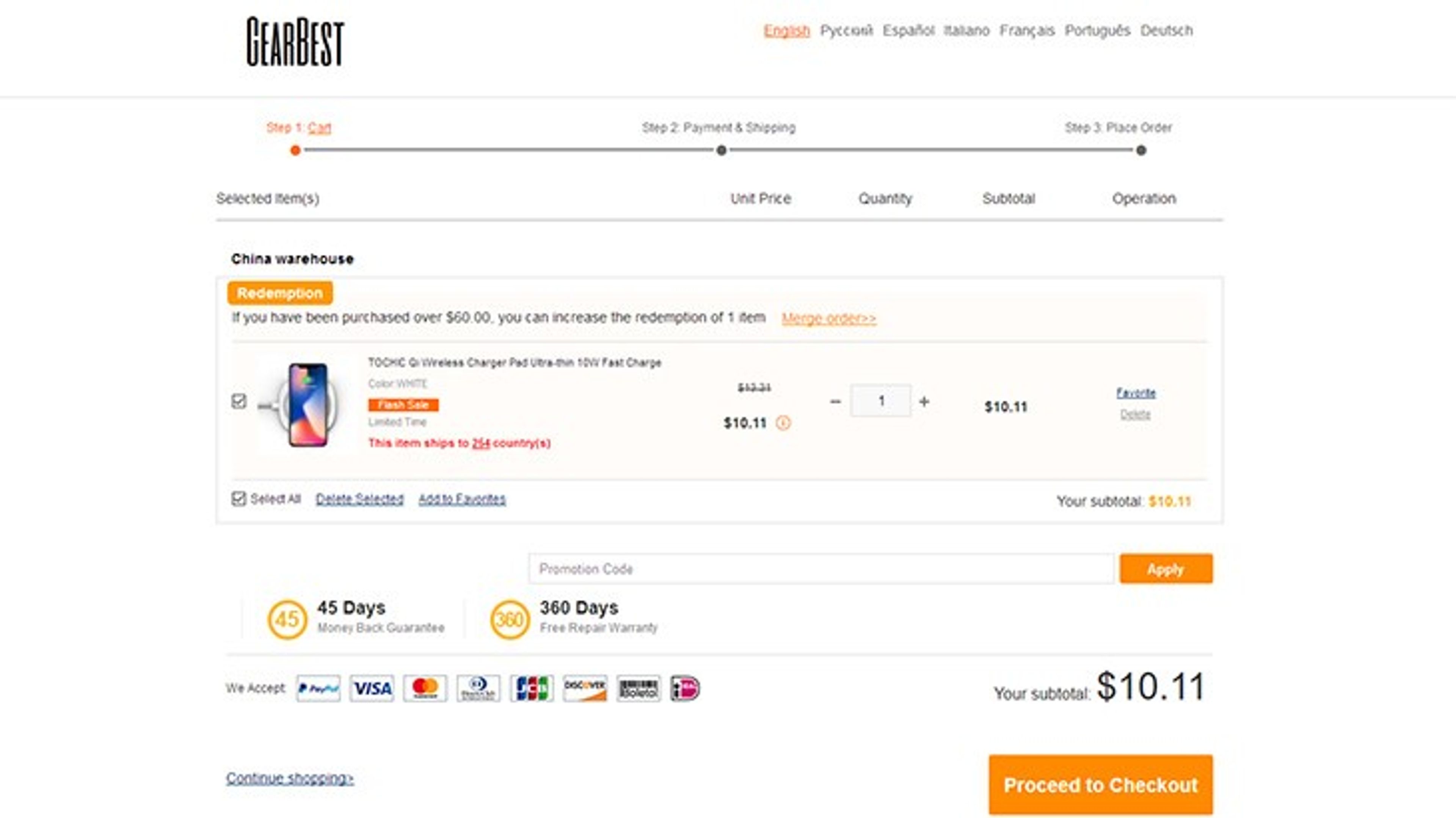
Adding a “Do you have a coupon code?” field to your checkout page is the biggest mistake you can make.
Visitors will immediately leave your cart and start searching for your coupon codes. If they can’t find it, they may not return to complete checkout.
So, you need to be a little bit more cautious when naming this field. You could say something like “special code” or “promotion code”.
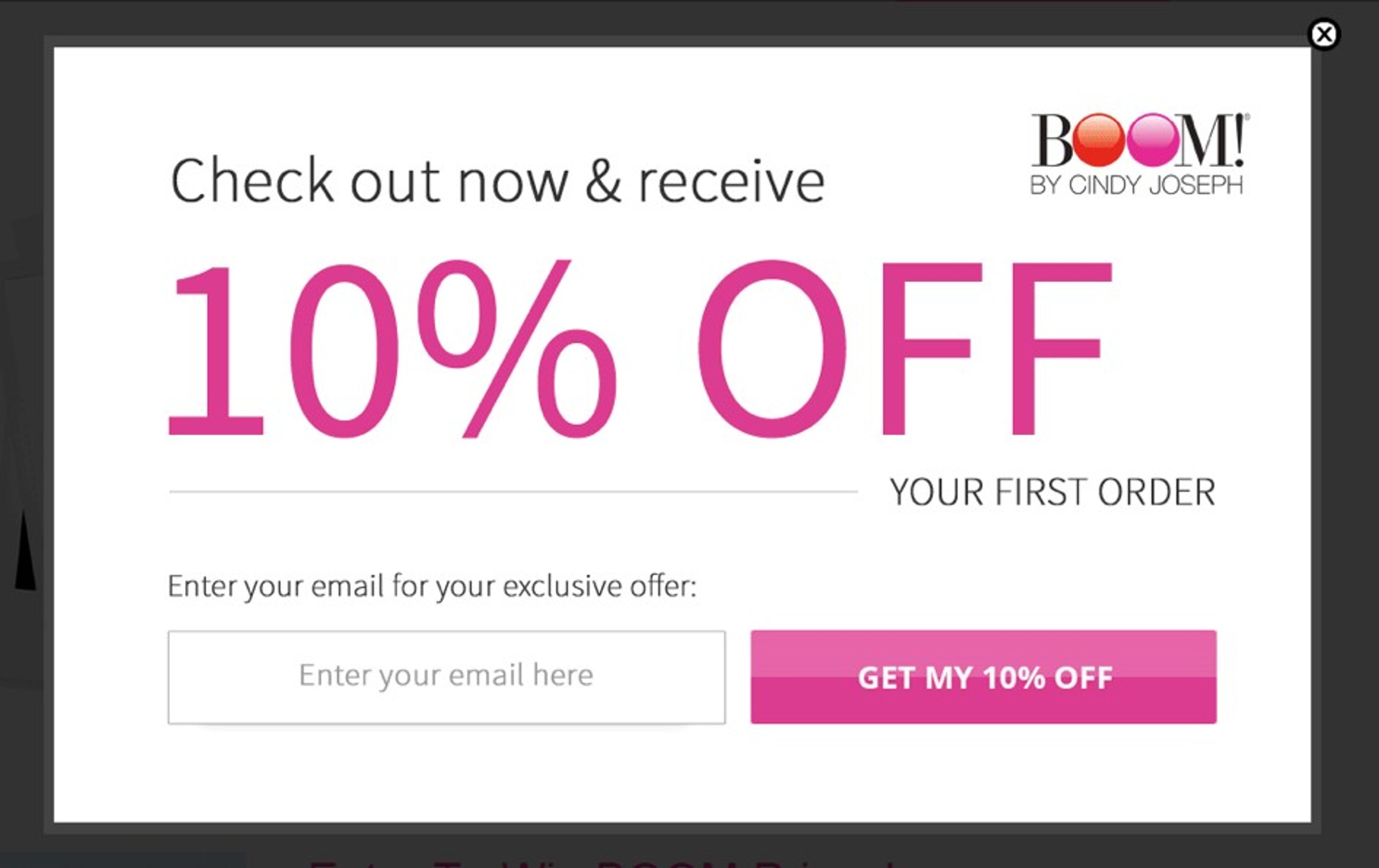
In case people still try to abandon their cart, it’s worth setting up a popup that's displayed on exit intent.
If you offer a coupon code like in the example below, it will encourage your customers to complete their purchase.
Offering coupon codes and attractive discounts regularly can easily lead to not selling anything at full price. Instead of buying a product at full price, your customers will wait until you promote your next discount code – which is likely to happen soon.
In addition, let’s not forget that offering a discount coupon can easily cause a price war with your competitors. And winning a price war is not necessarily a good thing. It can easily kill your profits and destroy your brand.
So, try to be less predictable in how and when you create your discount coupons.
Consider offering a discount only for specific categories, having a “deal of the day”, offering shipping discounts, and more – at different times, for different products and different types of buyers.
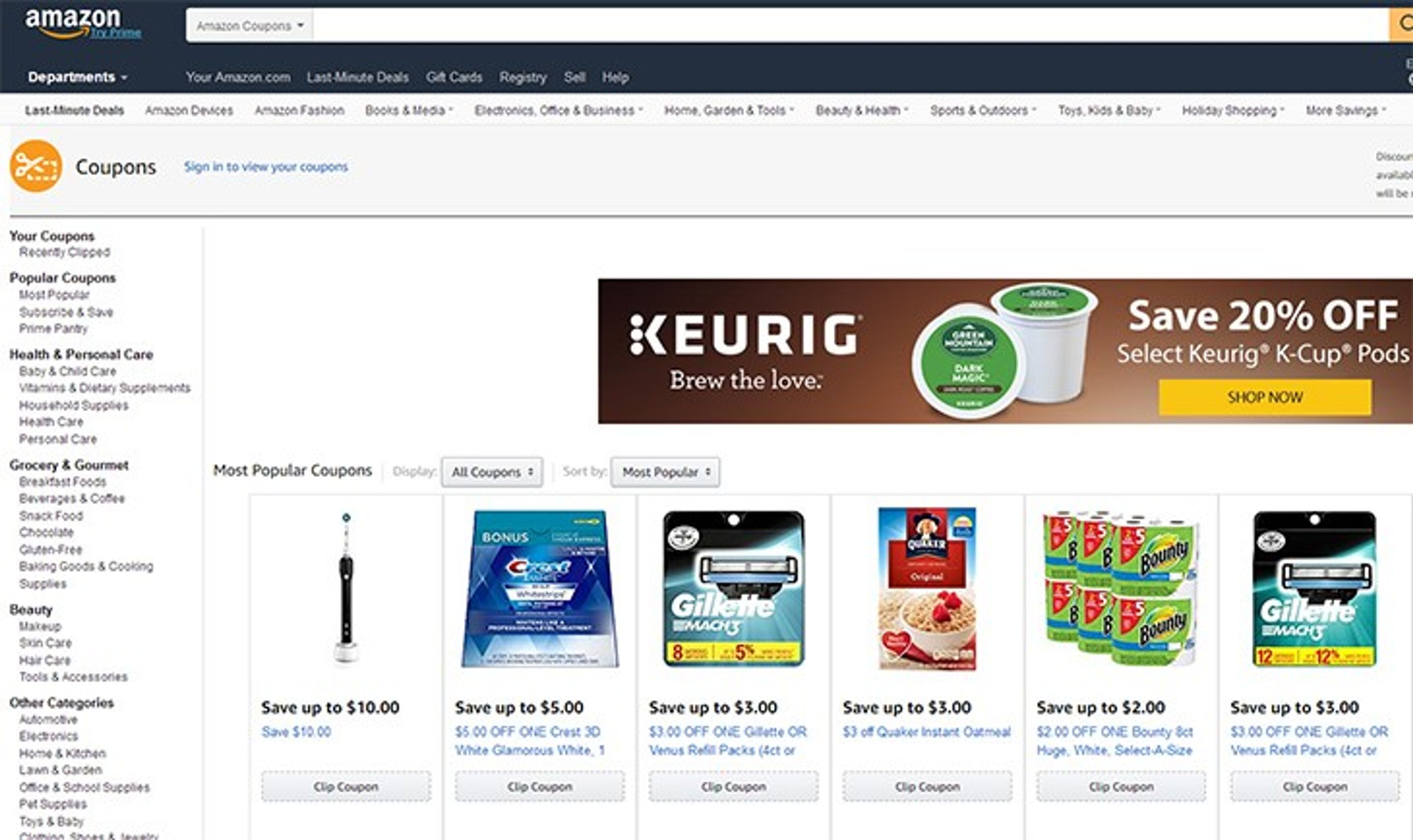
If you offer several digital coupons at the same time, you should create separate landing pages for them.
It’s worth adding a subscription form to this page. Visitors will give you their email address to be the first to know about your discount codes.
This landing page has a good effect on SEO. If someone searches for your site’s name and “coupon”, Google will redirect them to this page. But keep in mind that you should still be cautious: don’t link to this page from your homepage.
Check out this example below from Amazon, they collect their most popular coupons on one page:
If you don’t have multiple coupons at the same time, but you still want to collect email addresses, the best practice is to use popups.
With the help of popups, you can segment your visitors and display a popup for more engaged visitors, for example, visitors who have visited a specific number of pages on your website.
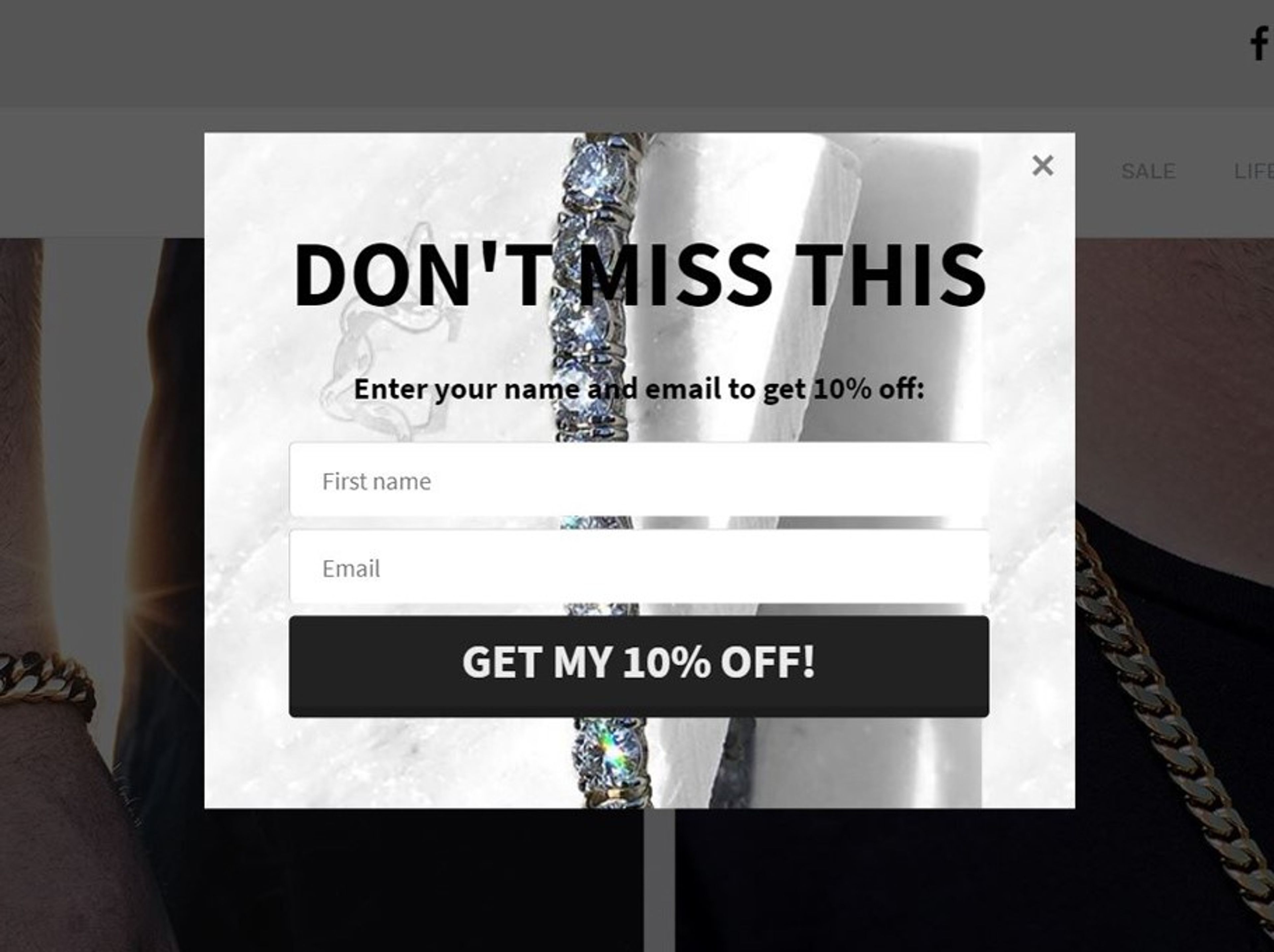
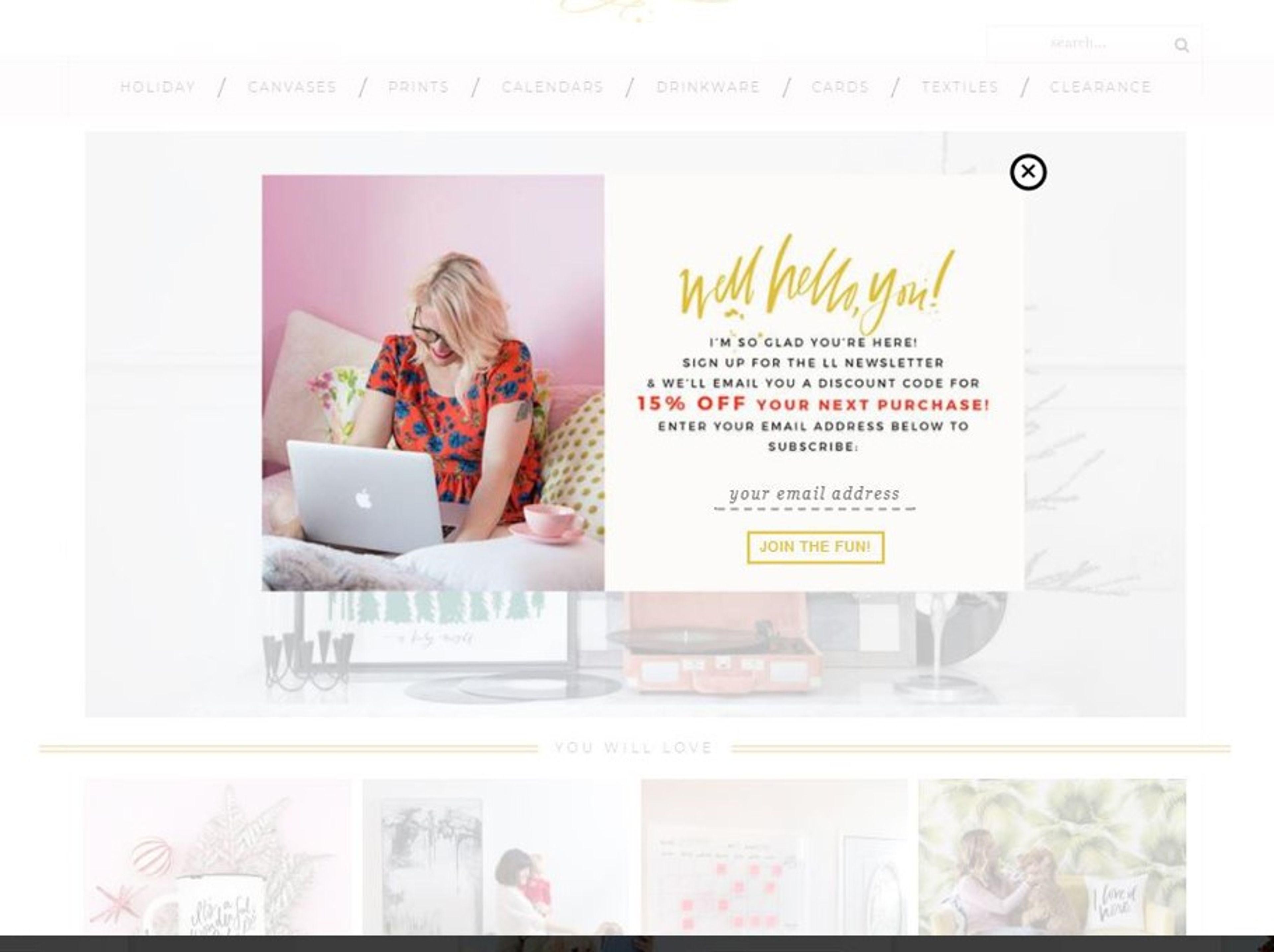
You can also decide to promote a discount for first-time visitors just like in the example below. Visitors will be happy to give their email addresses in exchange for 10% off.
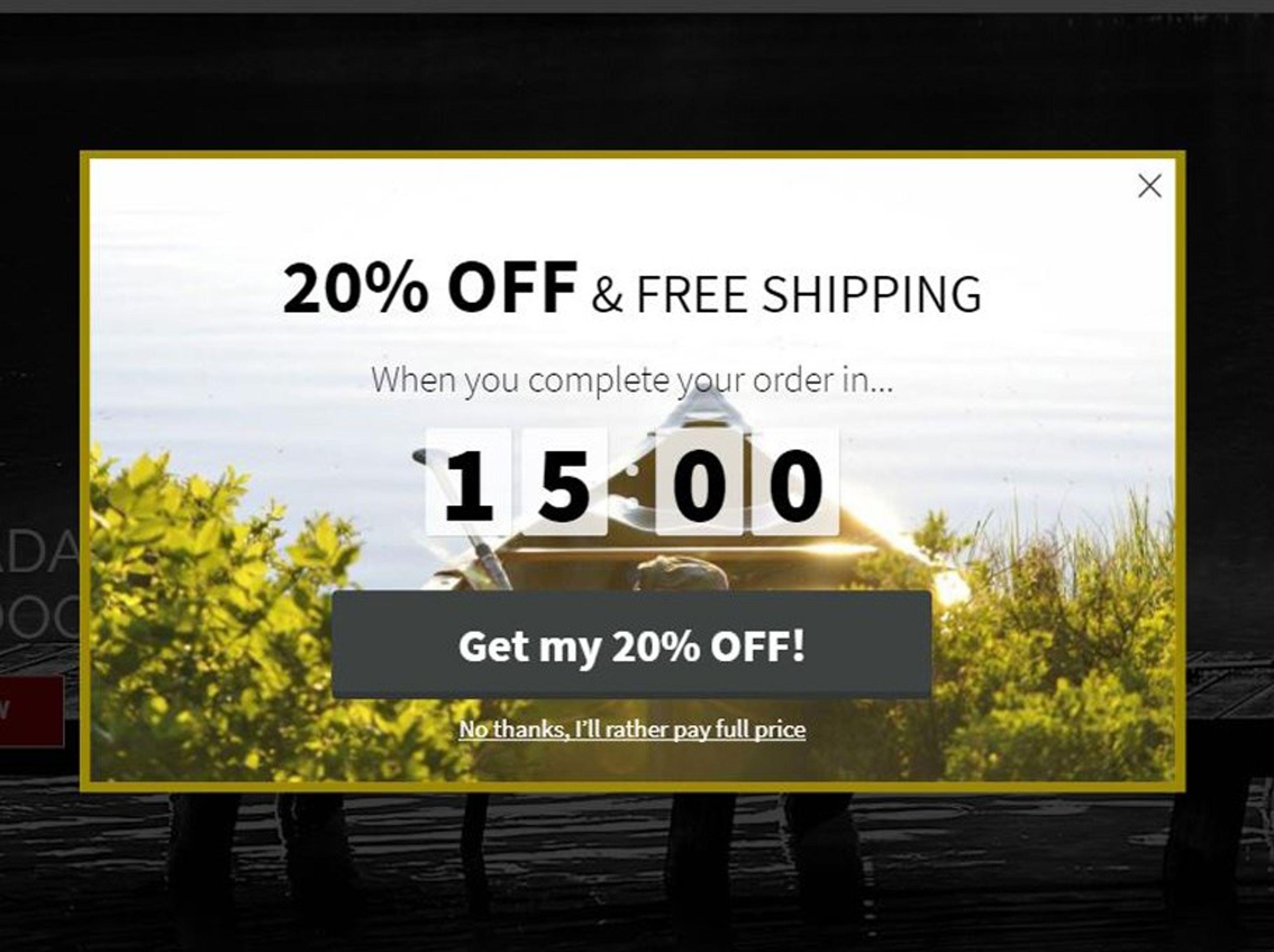
Adding an expiration or deadline to your coupon will add a sense of urgency to it, thereby increasing the usage rate of your coupon.
It’s up to you how long the coupon should be available – it can be for a week or just a few minutes.
But a shorter time increases the urgency. It’s even better if you add a countdown timer like in the example below.
A coupon marketing strategy can be a very powerful marketing tool when used well. But if you have a less well-thought-out strategy, coupon marketing can cause serious damage to your business and kill your profits.
First of all, you should be cautious in your approach. You’ve got to focus on good customers, and you can’t be predictable. Provide different types of offers at different times, and use a landing page to encourage people to sign up to receive emails about your latest deals.
Popups are a highly effective way to offer discount codes to the most engaged buyers. With these 6 tips we shared with you today, you can use coupon codes effectively and get the results you want from your promotions.

In this article, we'll share 30 actionable Black Friday marketing ideas for ecommerce businesses to make 2026 your most successful yet.
Learn about email marketing frequency for ecommerce stores. Most send 1-3 emails per week, with frequency adjusted by subscriber engagement and store type.
Let's take a look at the 21 best lead generation software for 2026 and discuss the features that any lead generation tool should have.